Malawi’s inflation rate has shown signs of easing, averaging 24.2 percent in the first quarter of 2026 compared to 29.9 percent a year earlier, with the rate further declining to 23.8 percent in March.
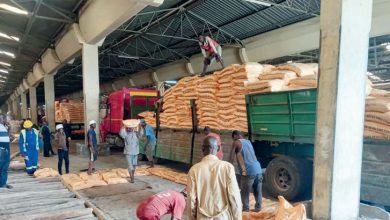
The drop in inflation rate, according to the National Statistical Office (NSO), has also made March inflation the lowest since 2022, mainly driven by easing food prices due to fresh harvests, especially for maize, a major driver in computing inflation.
The NSO Stats Flash for March 2026 shows that inflation dropped from 24.1 percent in February to 23.8 percent as the food inflation rate eased and offset continued skyrocketing of non- food inflation.

Reads part of the report: “Food inflation declined to 20 percent from 20.8 percent in February 2026 while non-food inflation rose to 30.7 percent from 30 percent over the same period.”
The rate, which was recorded at 24.9 percent in January 2026, has averaged 24.2 percent in the first quarter of 2026, compared to 29.9 percent during the corresponding period last year when it recorded 28.5 percent, 30.7 percent and 30.5 percent in January, February and March in that order.
In an interview on Sunday, Reserve Bank of Malawi (RBM) spokesperson Boston Maliketi Banda described the drop in inflation rate as inspiring and expressed the central bank’s commitment to sustain the momentum.
He said: “This development is encouraging indeed. We observe that the slowing down in inflation has largely been influenced by declining food prices.
“We see this disinflation process being sustained should food prices continue decreasing as expected.”
RBM Deputy Governor for operations Kisu Simwaka, writing on his Facebook page, has projected the inflation rate will continue to drop due to harvesting period-induced food price drops although the Iran war could still pose a risk to non-food inflation.
He said: “Looking ahead, inflation is projected to gradually decline, on the back of declining food prices in the contest of the harvest season, and high base effects. Non-food inflation remains elevated.
“The on-going war in the Middle East has led to a sharp increase in oil prices, adding to cost-push pressures on inflation.”
University of Malawi economics lecturer Edward Leman said looking ahead inflation trend will depend mainly on domestic food supply conditions although global fuel prices and exchange rate stability are also critical.
“There are reasons for cautious optimism. Malawi’s inflation is predominantly food-driven and a favourable agricultural season could help ease pressures, potentially bringing the annual average slightly below last year’s 28.4 percent,” he said.
Meanwhile, in its first Monetary Policy Report for 2026, RBM projected annual inflation at 24.8 percent, slightly down from 28.4 percent last year due to persisting upside risks that undermine easing food Inflation.
Maize is an important crop to the country’s economy as it contributes about 53 percent to the Consumer Price Index, an aggregate basket of goods and services used to compute inflation.