When a 23-year-old girl nicknamed Lindiwe learned of ‘her’ intimate photos circulating on social media, she reported it to police, a thing many survivors of online gender-based violence rarely find the courage to do.
However, the images had been doctored by a young man who became vindictive after she repeatedly rebuffed his love attempts.
Personal rejection quickly escalated into digital revenge, leaving Lindiwe shocked and exposed to strangers online.
“When I saw the photos, my whole body went numb. It felt like someone had stripped me in front of the world. How could someone be this cruel just because I said no?” she asks.
Officers at Kabula Police Unit in Blantyre seemed unsure which law to use against the vengeful man. Was it cyber-harassment under the Electronic Transactions and Cyber Security Act? A breach of personal data under the 2024 Data Protection Act? Or was circulation of sexual images outlawed by Section 137 of the Penal Code drafted long before the Internet existed?
Frustrated by sluggishness and uncertainty, Lindiwe and her ‘well connected’ relative contacted a friend at National Police Headquarters in Lilongwe who promised to “push the file”. Yet the case stalled at Blantyre Police Station where the file was referred.
“Months passed with no arrest made,” she says. “The police only cautioned the man to delete the vile posts and apologise to me,” Lindiwe narrates.
Lindiwe is appalled that the matter withered in the bureaucratic haze.
“I did everything I could do, but nothing much happened. The system just gave up on me,” she laments.
Many Malawian women and girls fall victim to digital-driven gender-based violence (GBV) but the perpetrators go scot-free as law enforcers seldom respond with urgency or clarity.
The country’s evolving laws prohibit cybercrime, privacy violations, attacks on one’s modesty and other harmful practices, but Lindiwe’s case shows how they fail to curb and punish modern trends of digital violence.
The result is a patchwork of provisions that police officers must interpret and stretch to fit new, fast-moving forms of abuse from doctored photos to revenge porn to coordinated online harassment.
In many cases, frontline responders remain unsure which law applies, what evidence is admissible or how far they can pursue a case originating from digital platforms such as Facebook, WhatsApp, or TikTok.
The cybersecurity law of 2016 criminalises several online offences, but does not explicitly define or address image-based sexual abuse.
The 2024 Data Protection Act offers stronger personal data safeguards, yet its enforcement mechanisms are still being built and tested.
The Penal Code’s language on “insulting the modesty of a woman” predates the Internet by decades, while the Gender Equality Act prohibits harmful practices, but does not specifically reference online harm.
This legal uncertainty affects how the police pursue cases and whether survivors get justice, closure or protection.
Inspector Thoko Nkhoma, from Police Victim Support Unit, says survivors often suffer in silence because “they do not know where to turn”.
He says: “Rapid, survivor-centred reporting channels and clear referral pathways, including counselling, legal aid and police support, save lives and strengthen prosecutions.
“When survivors feel supported from the moment they come forward, cases move faster and the likelihood of justice increases.”
Interestingly, policymakers know the magnitude of the problem.
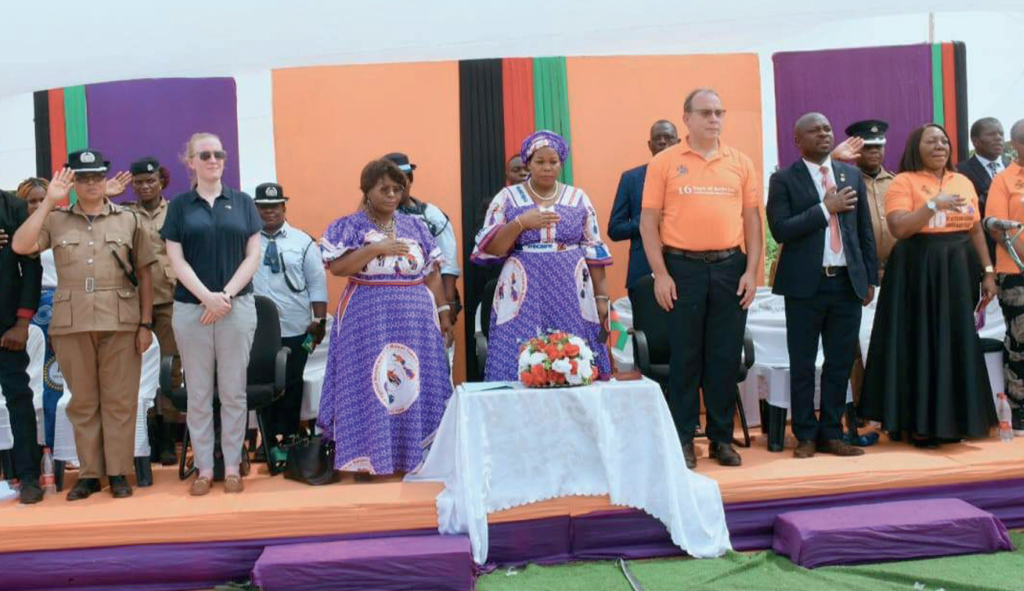
Launching the 16 Days of Activism Against GBV in Balaka District, Minister of Gender Mary Navicha said digital platforms have become hotspots for new forms of GBV: harassment, cyberbullying, exploitation and misuse of images.
“This year’s theme reminds us that digital abuse is real, it is rising and it must be confronted. The ministry will intensify enforcement of existing laws and take decisive action against perpetrators,” she said.
Digital rights experts say online abuse must be treated with the same seriousness as physical violence.
Researcher Peter Chimwaka, from the Foundation for Justice and Equality, says when someone shares or manipulates your image, the harm is real, immediate and long-lasting.
“Preserving evidence like screenshots, dates and message headers is the first step to protecting survivors and building a legal case,” he says.
Board chairperson of NGO- gender coordination Maggie Kathewera Banda warns that online bullying haunts victims at home, school and workplaces.
She argues that protecting women online goes beyond reactive policing. It calls for proactive education, digital literacy and community empowerment.
“Survivors need to know their rights and how to act quickly,” says Kathewera Banda. “Schools, parents, and community groups can play a critical role in teaching young people about consent, privacy and respectful online behaviour.”
Civil society organisations in Malawi are experimenting with digital tools to track abuse, offer counselling and preserve evidence for successful prosecution.
The scanty interventions point to what a coordinated response could achieve.
Lindiwe encourages her friends and family to be vigilant and supportive to digital GBV survivors.
“I hope that by speaking about what happened to me, even anonymously, other women will see that they are not alone and that it is possible to demand accountability,” she says.