Extractive sector stakeholders have issued a united call for stronger governance, safer mining practices and value addition in the sector, which is a key contributor to the country’s economy.
The stakeholders that included government officials, donors, mining regulators, geologists and civil society organisations, issued the call during a Government and Extractive Stakeholders Engagement on Mining Compliance and Governance in Lilongwe on Wednesday.

operations restarted on August 12 this year. | KUM
They argued that Malawi can no longer afford regulatory gaps that fuel illicit trade, loss of life and missed revenue opportunities.
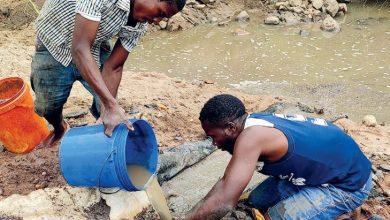
In his keynote address, Norwegian Church Aid–Danish Church Aid country director Stefan Jansen said Malawi stands at a critical point as communities continue to face poverty, unsafe artisanal mining and opaque management of mineral licences and revenues.
“Malawians are weary of poverty, inequality and the lack of meaningful benefits from our mineral wealth. We cannot remain silent while our people die not only in search of gold, but in pursuit of dignity, survival and justice,” he said.
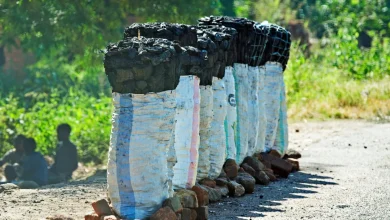
Jansen welcomed Malawi government’s ban on the export of unprocessed minerals, but warned that Malawi urgently needs value-addition facilities to retain jobs and economic benefits.
“A ban alone is not enough. We need efficient refining processes so that mineral wealth can create broad-based benefits, especially for our youth,” he said.
In his remarks, Ministry of Natural Resources, Energy and Mining mining engineer George Maneya said government is developing policy measures aimed at strengthening community protections, improving environmental safeguards and ensuring that mining contributes sustainably to local development.
He said: “Our discussions are important because we are giving solutions that involve government.
“The country should be able to find jobs that are self-sustaining and ensure that the environment in which operations are carried out is taken care of.”
On his part, Chamber of Mines and Energy national coordinator Grain Malunga called on ministries, departments and agencies to jointly regulate the sector to curb illegal operations.
“We have situations where illegal migrants are hiring local unskilled labour. Coordination between the Department of Immigration, the ministry and councils can help to end this,” he said.
On revenue, Ministry of Finance, Economic Planning and Decentralisation principal revenue economist Leonard Mushani urged government to enhance collaboration between the Geological Survey Department and Malawi Revenue Authority to close leakages.
“We need to contain smuggling from artisanal miners,” he said.
Faith-based groups stressed that mining reforms must prioritise equity with Evangelical Association of Malawi vice-chairperson Rev Davidson Chifungo saying Malawians deserve fairer benefits from mineral resources.
“We want to ensure that Malawians fully benefit from the extractive sector,” he said.
For civil society, the meeting also highlighted positive cases where companies are compensating households, engaging communities transparently and investing in social responsibility projects.
Stakeholders agreed that such models should become standard rather than exceptions.
The session closed with a consensus on six priorities for reform: strengthening worker and community safety, fast-tracking value-addition facilities, enhancing transparency, improving community engagement, enforcing labour standards and bolstering accountability mechanisms.
The extractive sector has seen fluctuations in its contribution to gross domestic product, with mining sector contributing 79 percent of the total extractive industry revenue.