Tea output substantially dropped by 185 percent in the third quarter (Q3) to 4.7 million kilogrammes (kg) from 13.4 million kg in Q2, making it one of the lowest production periods in recent years, latest data shows.
Despite the drop in output, tea earnings increased to $4 million (about K7 billion) from $1.8 million (about K3.1 billion) in Q2 of 2025 on account of higher volumes sold, according to the Reserve Bank of Malawi (RBM) Financial and Economic Review for Q3.
The data shows that the 4.7 million kg was comparably lower than 5.5 million kg produced during the same period last year.
However, tea sales increased during the quarter although prices dropped, marking one of the quarters with mixed fortunes for the industry, according to the report.
Reads part of the report: “Tea sales increased to 3.8 million kg in the quarter under review from 1.6 million kg sold in the previous quarter.
“Tea prices dropped and stood at $1.05 [about K1 838] per kg during the quarter from $1.14 [about K1 195] per kg in the preceding quarter.”
In an interview on Sunday, Tea Association of Malawi chief executive officer Tonda Chinangwa said the industry expects improvements in the last quarter of this year because of good weather conditions.
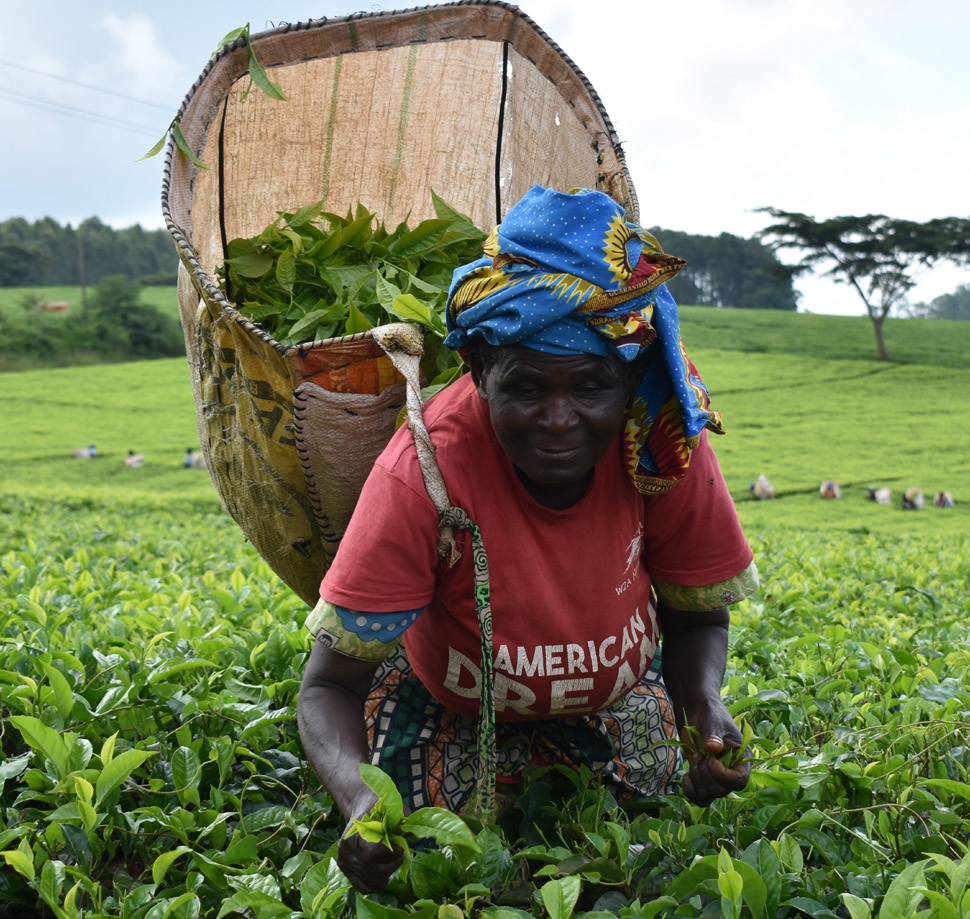
He said: “This is the normal annual tea production trend in Malawi. Production is typically higher in the first quarter then drops during the second and third quarters, before picking up again in the fourth quarter.
“This pattern is mainly driven by rainfall distribution.”
In a separate interview, Trust Africa programme officer Beatrice Makwenda said they have engaged in a number of initiatives to boost tea output to strengthen smallholder institutions.
“The tea sector is decisively working towards improving both production and productivity by strengthening smallholder institutions and creating a conducive environment for social dialogue,” she said.
Makwenda, whose firm is a key tea industry stakeholder that advocates for better collaboration between workers and companies, said the changes in industry practice coupled with research programmes targeting modern varieties and technologies will result in ethical tea production, which will sustain current markets and open new opportunities.
Tea is one of Malawi’s top foreign exchange earners, contributing about eight percent to foreign exchange earnings and 11 percent to the total national employment.
The tea industry employs more than 60 000 temporary and permanent workers.