Zigzagging on a narrow tarmac to the postcard summit of Zomba Plateau, Mulunguzi Dam dazzles passers-by, stirring flashbacks of the vanishing trees that stood sentry— protecting water levels.
Nearing Ku Chawe peak, travellers sigh: How does a nation ransack such a beautiful tourist attraction that provides potable water for its old capital?
Zomba Mountain, the home of Malawi’s first hydropower station, has not only lost its dynamos but also water security due to massive silt from de forested hillsides.
Concerned faith leaders term the plunder of protected mountain forests an as sault on humanity’s well-being.
“In the beginning, God gave us the responsibility to protect nature. As God-fearing people, we need to protect nature for our survival,” says Zomba District Interfaith Association for Action chairperson Bishop Christopher Labana.

‘Everything is connected’
Pope Francis’ open letter on care for the environment aptly captures the completeness of God’s creation and the need to protect nature.
“There is a myst ical meaning to be found in a leaf, in a mountain trail, in a dewdrop, in poor person’s face. Standing awestruck before a mountain, we cannot separate this experience from God,” reads the encyclical, Laudato Si.
The global leader of the Cat h o l ic Chu rch recommended sustainable environmental management to combat poverty and restore dignity to the excluded who suffer most amid climate change.
“Everything is connected,” he said. “When nature is viewed solely as a source of profit and gain, this has serious consequences for society.”
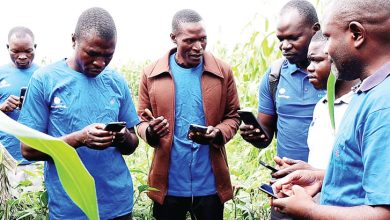
Last Friday, faith leaders in Zomba planted 2 000 trees in Malawi’s second-tallest mountain for the good of surrounding communities and future generations.
Father Bernard Chipole, the Vicar General of Zomba Diocese, evoked Pope Francis’ call that concern for the environment need to be joined to a sincere love for our fellow human being and an unwavering commitment to resolving the problems of society.
“We must care for nature so that nature may care for us,” said the Catholic priest.
Norwegian Church Aid and Danish Church Aid (NCA-DCA) supported the tree-planting initiative through the Catholic Development Commission in Malawi (Cadecom) in partnership with Muslims, Rastafarians and other faith groups.
Labana urged religious leaders to use their influential voices to spread the importance of conserving nature and restoring degraded landscapes.
He stated: “When we plant and protect trees, we are not just correcting what we have destroyed. We are doing God’s work as stewards of His creation.
“The faithful have a shared duty to save the planet. If you love your neighbour, you cannot destroy the environment or fail to act when society is under threat.”
Con serving the environment is a central pillar of Rastafarianism, who boast leafy shrines in the hills.
Rasta Black Peter Malizani of the Nyabhingi order says: “You cannot call yourself a Rasta or claim to fear the Most High if you don’t care about creation. In our shrines, we don’t only pray for daily food, but also good health and well-being, which hinge on our relationship with nature.”
Zomba District Council chairperson Baster Chirwa challenges religious and communit y leader s to safeguard the mountain under siege.
Last year, a panga-wielding gang was photographed hauling logs from Zomba Mountain to sawmills owned by wealthy businesspersons downhill.
“We need to enforce national forestry laws and the council’s bylaws without fear or favour. We have met forestry authorities to stop the plunder, but we need to do more,” says Chirwa.
None innocent
Malawi loses 17 million trees annually and Zomba City lost 255 hectares of tree cover between 2000 and 2023. The country’s second-tallest mountain lost 121 hectares, nearly half of its forest cover.
Loose soil from gullied bare hills choke the dam, stirring flashbacks of the lost harmony between humanity and nature in the once-lush mountain forest, with Mulunguzi, Domasi and Likangala rivers pouring into Lake Chilwa, sustaining lives on their banks.
Lament s NCA-DCA country director Stefan Jansen: “So richly blessed was Zomba, then Malawi’s capital, but deforestation on the mountain has reduced the baseflow of its rivers, lowering water levels in Mulunguzi Dam and Lake Chilwa, worsening soil erosion in crop fields and increasing flooding in the valleys.
“The painful truth is that none of us is innocent. As we worship in comfort, truckloads of timber, firewood and charcoal leave Zomba Mountain to feed our habits. We resist cleaner alternatives, blame others and cut trees faster than we transplant.”
And he has a word for the clergy: “Over 90 percent of Malawians are in your congregations. When they pray, ask them about caring for the environment, reducing fuelwood use and avoiding plastic waste. Faith should be visible in how we treat God’s creation.”