Imagine a modern Malawian pupil hesitating at a traffic light, unsure when to cross, while nearby drivers casually toss trash from car windows onto the street.
Pedestrians ignore pavements, strolling directly on busy roads amid unlicensed motorbikes and street vendors.
Rivers choke with dumped waste and maize sprout in residential areas as wedding music blares into the night.
This disorder defines Malawi today, typifying a distorted view of democracy.
It is not just inconvenient—it’s deadly, with road accidents claiming lives and draining the economy. The toll? Billions in losses, strained resources and human suffering.
Yet, this nightmare can be reversed with urgent reforms that prioritise civic education and enforcement.
Eroded civics.
Once, Malawi’s primary schools emphasised civics, lessons on rights, duties, road safety and public etiquette.
Children learned to read signs, cross streets properly and respect shared spaces. These foundations built order in post-colonial Malawi.
But after the democratic reforms of 1994, the focus shifted to core subjects like mathematics and science, sidelining civics amid overcrowded classrooms and limited resources.
Without this education, many lack basic knowledge of lawful conduct.
Democracy, intended as empowerment, is often seen as unrestricted freedom, fostering a free-for-all culture. The result: Widespread uncivil behaviors exacting steep costs.
Everyday chaos.
Lawlessness disrupts daily life across multiple fronts.
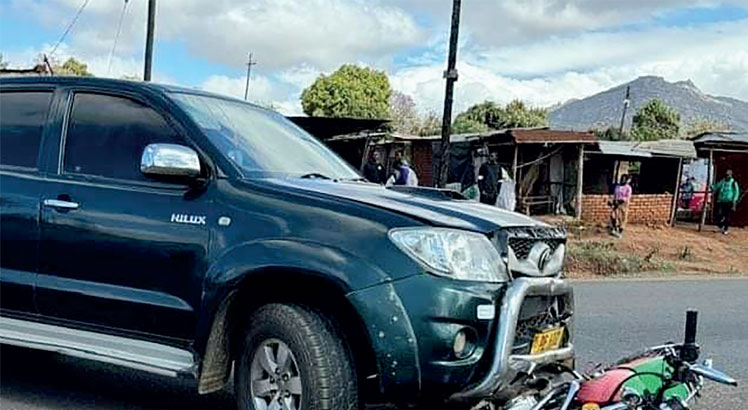
On roads, unlicensed, uninsured kabaza motorbikes dominate, driven by economic need but fueled by lax rules.
Road literacy is alarmingly low. Even modern pupils do not know when to cross at traffic lights, often darting out during red signals or lingering uncertainly on green.
Adults throw trash from moving cars, creating slippery hazards, and walk on roads instead of using the provided pavements, forcing vehicles to swerve unpredictably.
Street vending exacerbates the chaos, spilling onto roadways and causing gridlock.
As Dr E Mwaungulu’s study on patterns of orthopaedic motorcycle trauma details, these hazards lead to crashes overwhelming hospitals like Queen Elizabeth Central Hospital, with fractures, spinal injuries, and head trauma filling dedicated wards.
Residential areas suffer from noise pollution. Homes host weddings and religious gatherings, with deafening loudspeakers robbing residents of peace.
This unregulated racket heightens stress and disrupts sleep.
Environmentally, the chaos is a disaster. People plant maize in urban areas, blocking drainage and inviting floods. Rivers become dumpsites, polluting water and ecosystems.
Littering. Yes, that too! From roadside trash to garbage tossed from car windows, compounds the mess, turning public spaces into health hazards.
These issues are not mere nuisances. They drain Malawi’s economy and society.
Healthcare bears the brunt. Mwaungulu’s study shows motorcycle trauma consuming orthopedic resources, delaying other treatments and inflating costs.
Noise-induced stress and pollution-related diseases add pressure to a system funded at just five to six percent of gross domestic product (GDP).
The World Bank estimates road accidents cost five to seven percent of GDP annually through medical bills, lost wages and reduced productivity.
Pavement neglect and trash-throwing contribute to hazards, while street vending chaos hampers business.
Vandalism, dumping and improper maize planting require constant repairs and cause erosion or crop losses, diverting funds from development and hitting agriculture hard.
Noise pollution erodes work efficiency, deepening poverty for over half the population.
Socially, road chaos, disorder and reckless driving breed resentment among road users, communities fragment over accident blame and traffic disputes. Disorder normalises irresponsibility like ignoring lights or pavements.
Environmentally, litter thrown from vehicles clogs roadsides and drains, heightening flood and accident risks, while unchecked behaviours pollute pathways and threaten safe mobility.
Overall, this lawlessness stifles investment and Malawi’s 2063 development goals, potentially costing billions of kwachas yearly through accidents and related damages.
Turning the tide
Reversal demands education, enforcement and community action.
Revitalise civics in schools, teaching road literacy, environmental stewardship and noise etiquette from early grades. Extend to adults via radio and workshops.
Overcome enforcement barriers—such as politicians shying away from strict measures for fear of losing votes or vested interests like police owning unroadworthy minibuses and law-breaking kabazas—by implementing bold rules.
Mandate motorbike licensing, helmets and insurance.
Also designate safe vending zones and apply noise bylaws to weddings and churches, relocating them if needed.
Fine trash-throwing and promote pavement usage, drawing from successful models like Rwanda’s road safety campaigns that have drastically reduced accidents through consistent, impartial application.
Launch environmental drives! Penalise dumping, encourage proper waste disposal, and zone urban farming to prevent haphazard maize planting. Invest in river cleanups and drainage.
We stand at a crossroads, as a country! Continue bleeding from the wounds of lawlessness—shattered bones in hospital wards, polluted rivers, and fractured communities—or summon the courage to heal.
As Dr. Mwaungulu’s study starkly reveals, the human and economic costs of unchecked road chaos are unsustainable, claiming lives, draining billions and derailing Vision 2063.
Education and community action are vital, but without strict enforcement, they remain hollow promises.
Politicians must set aside vote-chasing fears, and vested interests—like police profiting from illegal kabazas—must be dismantled.
A firm whip of accountability may be necessary, impartial laws, swift fines and unyielding regulations to whip disorder into submission.
Only then can Malawi reclaim its roads, restore civility and pave the way for a prosperous future. The time for leniency is over. Act decisively now or pay the price forever.