Malawi’s public universities are set to double undergraduate intake to clear a backlog of qualified applicants, despite already strained resources.
The Ministry of Education confirmed the move, first announced in the State of the Nation Address and later in the 2026/27 National Budget Statement by Finance Minister Joseph Mwanamvekha. The policy seeks to expand access to tertiary education, even as classrooms, accommodation and learning materials remain under pressure.
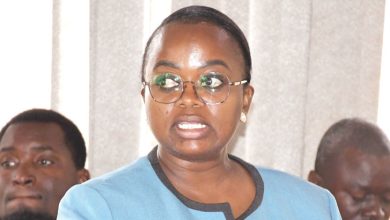
Ministry spokesperson Lilly Kampani described the initiative as “a strategic intervention” backed by budgetary support.

“These students have a right to university education, and it is the government’s duty to ensure they access it without delay,” she said.
In the 2025/26 financial year, government allocated K182.7 billion to universities and subvented education institutions, alongside K36 billion for student loans and upkeep. The 2026/27 budget raises allocations to K234.3 billion for six public universities, including K171.97 billion for operations and K45 billion for development. Another K45 billion has been earmarked for loans and upkeep targeting about 40,000 students.
Kampani said additional funds will support classroom expansion, procurement of learning materials and student accommodation to maintain standards. She added that while universities retain autonomy in implementation, government is committed to balancing access with quality.
At institutional level, preparations are underway. Kamuzu University of Health Sciences registrar Christopher Namagowa confirmed plans to double first-year intake, supported by a task force to manage the transition. “We are committed to maintaining our academic standards, and the government has provided funds to support this effort,” he said.
Mzuzu University registrar Yonamu Ngwira also expressed confidence that the institution can absorb the increase without major strain. Other universities had not responded to requests for comment by press time.
However, some stakeholders warn that expansion without adequate infrastructure risks worsening existing challenges.
Malawi University of Business and Applied Sciences Students’ Representative Council (SRC) president Francis Alex cited acute accommodation shortages, rising rental costs and unsafe off-campus housing. He called for urgent hostel renovations and long-term investment in student housing through public-private partnerships.
Recently, the university published a statement lobbying property owners in surrounding areas to take advantage of an FDH Bank initiative aimed at upgrading accommodation facilities.
Luanar SRC president Stanley Tembo echoed the concerns, saying current students already face congestion in classrooms, laboratories and hostels. “While increasing access is commendable, it must be done sustainably,” he said.
Tembo warned that overcrowded lecture spaces reduce interaction with lecturers and undermine learning quality, particularly for students who need additional academic support. He added that pressure on laboratory equipment, library resources and digital platforms is already evident.
Education rights activist Benedicto Kondowe urged caution, recommending blended learning, improved timetabling, stronger private sector partnerships and increased investment in teaching staff and resources.
“Expansion must be managed carefully to prevent deterioration of standards,” he said, adding that double intake should be a temporary measure.
Education expert Limbani Nsapato similarly warned that limited infrastructure could lead to higher dropout rates and broader social challenges. He called for sustained investment in facilities and staffing to ensure access does not come at the expense of quality.
As Malawi moves forward with the policy, the central challenge remains clear: expanding university access while safeguarding the quality of education. Achieving both will require coordinated efforts, adequate funding and long-term planning from government and institutions alike.