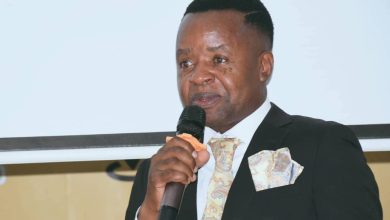
The decision by public universities to double tuition fees has sparked debate over the affordability of higher education and government’s role in funding the sector. Annual tuition has risen from about K650 000 to K1.3 million, raising concerns about access for students amid growing economic hardship. In this interview with Senior News Analyst GRACE PHIRI, UTM Party president DALITSO KABAMBE, a development economist and former Reserve Bank of Malawi governor and UTM Party president, shares his views on the fee increase, university financing and possible alternatives.

Why are you opposing the increase in public university tuition fees?
UTM Party strongly condemns the doubling of public university tuition fees because it is beyond the reach of most Malawians. This follows the 2014 policy that required students to meet their own food and accommodation costs. With meals and accommodation already costing about K2.4 million per academic year, the higher tuition means students could now need nearly K4 million annually to complete their studies. That is unaffordable for most families and risks turning public university education into a privilege for the wealthy while excluding capable students from poor backgrounds. We believe this is socially unjust and economically harmful.
Government argues the increase is necessary because universities face funding challenges.
Funding challenges are real and have existed for years. Underfunding has contributed to declining standards and poor rankings of our public universities. However, with about 75 percent of Malawians living below the poverty line, high unemployment and low average incomes, it is unrealistic to expect families to finance universities at the required level. Government should regard higher education as a national investment, not a private expense. Just as it funds free primary and secondary education, it should increase support for public universities by reallocating resources from lower-priority areas of the national budget, including some allocations to State Residences and the Office of the President and Cabinet.
What impact will the fee increase have on ordinary Malawians?
The impact will be severe, especially for students from low-income families. Even before this increase, many struggled to pay tuition, afford decent accommodation and meet daily living costs. Some live in overcrowded housing, walk long distances to campus and survive on inadequate meals, affecting their health and academic performance. Others fail to sit examinations or collect results because they cannot clear their fees. Doubling tuition will place even greater pressure on farming households, vendors, civil servants, teachers, nurses and other ordinary Malawians already battling the rising cost of living.
You have described the policy as an attack on young people. Why?
Public universities have long offered children from disadvantaged families an opportunity to improve their lives through education. By making higher education less affordable, government risks shutting out many talented young people who could otherwise gain skills, secure better livelihoods and contribute to national development.
How does this policy affect Malawi’s long-term development goals?
It contradicts Malawi’s development ambitions, including Malawi 2063, which identifies human capital development as a key driver of economic transformation. No country can industrialise without engineers, improve healthcare without doctors and nurses, or modernise agriculture without scientists and researchers. Investing in university education is investing in Malawi’s future workforce and competitiveness.
What alternatives is UTM proposing instead of increasing fees?
Government should reverse the fee hike and prioritise university funding within the national budget. It should reduce non-essential expenditure and channel more resources to public universities. It should also work with pension fund managers to finance large-scale student accommodation and restore free meals for students. A hungry student cannot perform to their full potential or become a productive graduate.
Some argue that students can access loans to pay fees. Why is that not enough?
Student loan schemes work best where graduates are almost guaranteed well-paying jobs that enable them to repay the loans. That is generally the case in many developed countries. Malawi’s situation is different. We still need to expand our skilled workforce, while many graduates struggle to find employment. With national public debt already high, relying on loans risks burdening young people with debt without guaranteeing the income needed to repay it. Malawi needs broader public investment in higher education rather than shifting the cost to students.
What message does UTM have for government and Malawians?
University education is essential to national development. No country has achieved sustainable development without investing heavily in education and skills. Public universities have historically been great equalisers, giving both rich and poor students an opportunity to succeed. Government should not transfer the responsibility of financing higher education to families that are already struggling. Instead, it should reprioritise public spending to ensure universities are adequately funded and produce the skilled workforce Malawi needs for long-term development.