


Malawi’s political parties pride themselves as inclusive and gender-aware. Their constitutions advocate equality, manifestos celebrate women’s empowerment and campaign platforms promise opportunities for young people and persons with disabilities.
Yet, beneath that commitment lies a less flattering reality: Many parties lack the internal structures needed to turn promises into political power.
That is the picture emerging from a gender audit by the Electoral Institute for Sustainable Democracy in Africa (Eisa).
The study found that parties are yet to fully embed gender equality in the rules, policies and systems shaping leadership and candidate selection.
According to the findings, key gaps include the absence of financing mechanisms for female aspirants, mentorship programmes, leadership pathways and sexual harassment policies.
The audit indicates many parties lack strategies to tackle cyberbullying and online misinformation despite social media becoming an increasingly hostile political space.
Temperature check
Dr Antonetta Hamandishe, the lead author, describes the audit as a “temperature check” of how gender-sensitive parties are, including whether they have mechanisms to ensure equal participation of women, youth and persons with disabilities.
“Many parties do not have sexual harassment frameworks, gender policies or strategies to deal with cyberbullying and misinformation targeting women,” she states.
Centre for Multiparty Democracy (CMD) executive director Boniface Chibwana says the findings expose weaknesses within political parties, which remain the gateway to elective office and policymaking.
“Reform has to start from political parties themselves,” he says. “They need policies that empower women from within before they compete outside.”.
CMD is the umbrella body for registered political parties represented in Parliament.
It promises to track how parties develop and implement action plans arising from the gender equality audit.
Malawi is a party to the African Union (AU) Maputo Protocol and the 16-nation Southern African Development Community (Sadc) Gender and Development Protocol that prescribe equal representation of men and women in politics, including decision-making positions.
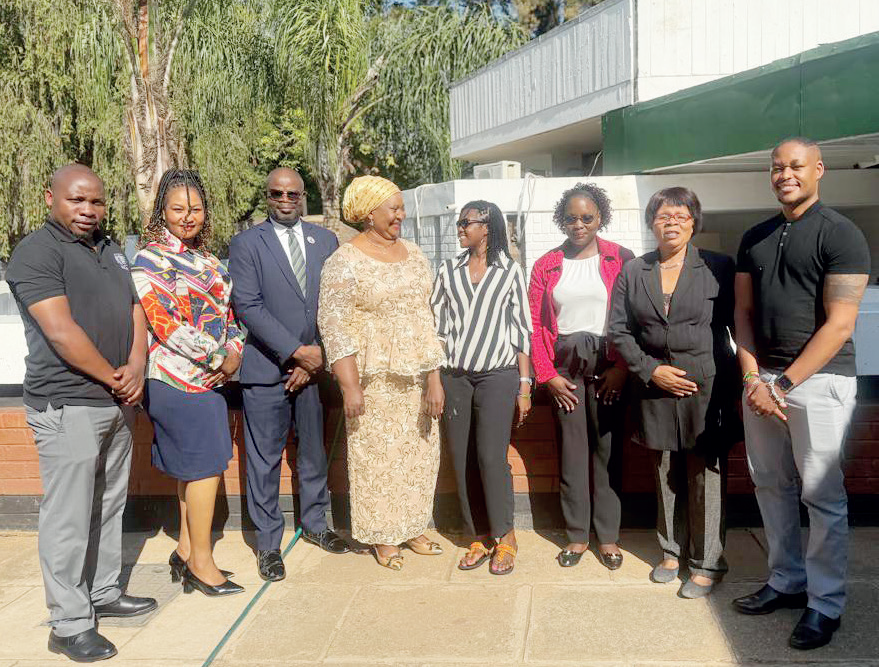
The Gender Equality Act requires either sex to occupy 40 to 60 percent of public positions, a legal yardstick political parties are expected to emulate as they jostle to govern the country.
CMD chairperson Ben Chakhame says progress to gender equality has been slows partly because financially constrained parties often prioritise campaigns over policy development.
However, he believes reforms can be achieved before the next electoral cycle if CMD and its partners receive adequate support.
For NGO Gender Coordination Network board chairperson Maggie Kathewera-Banda, the challenge is both societal and institutional.
She states that patriarchal norms, gender-based violence, limited access to education, unregulated campaign financing and unequal networks disadvantage women.
“Nevertheless, parties determine whether those barriers are reinforced or dismantled through nominations, resource allocation and leadership appointments,” she argues.
Sidelined when it counts
On her part, seasoned gender rights activist Emma Kaliya argues that the root of low women representation in Malawi’s politics goes beyond social norms.
She challenges authorities to honour gender obligations under Sadc, AU and United Nations gender equality frameworks.
Kaliya observes that parties remain women-unfriendly from within, citing instances where women have been sidelined during conventions through predetermined selections for national executive positions.
“We have had a lost decade after a successful start in 2009,” she laments, warning that Malawi cannot afford further regression when the 2024 Sadc Gender Barometer already places the country in a precarious position.
She also raises concern over declining female representation in public institutions, saying positions previously held by women are increasingly occupied by men.
UTM Party secretary general Willet Karonga concedes that parties must align their governance and electoral systems with regional and international gender commitments.
“As a party we plan to review our constitution within 12 months and to establish a standalone sexual harassment and cyberbullying policy with a reporting mechanism,” he says.
However, Karonga cautions that increasing women’s representation must also navigate democratic processes, particularly transparent nominations.
“While we strive to reach this goal, democracy talks otherwise, especially when there’s a transparent nomination process,” he says.
‘You need to be strong’
Democratic Progressive Party deputy director of women for the Central Region Lizzie Ndomondo says the governing party has made progress in promoting women into senior leadership, with President Peter Mutharika handpicking retired Justice Jane Ansah as his running mate and elected vice-president.
However, she was quick to indicate that hostile political spaces continue to discourage women from entering politics.
“There is a lot of cyberbullying and name-calling. You need to be strong to go through such experiences,” she says.
The Eisa audit suggests Malawi’s next battle for gender equality will be fought inside party constitutions, nomination rules, financing arrangements and leadership structures
Whether parties turn their commitments into reforms may determine not only who gets elected, but how inclusive Malawi’s democracy becomes.

