The National Water Resources Authority (NWRA) has referred forensic audit findings to the Anti-Corruption Bureau (ACB), flagging a K1.4 billion vehicle purchase, irregular contracts and suspected procurement breaches.
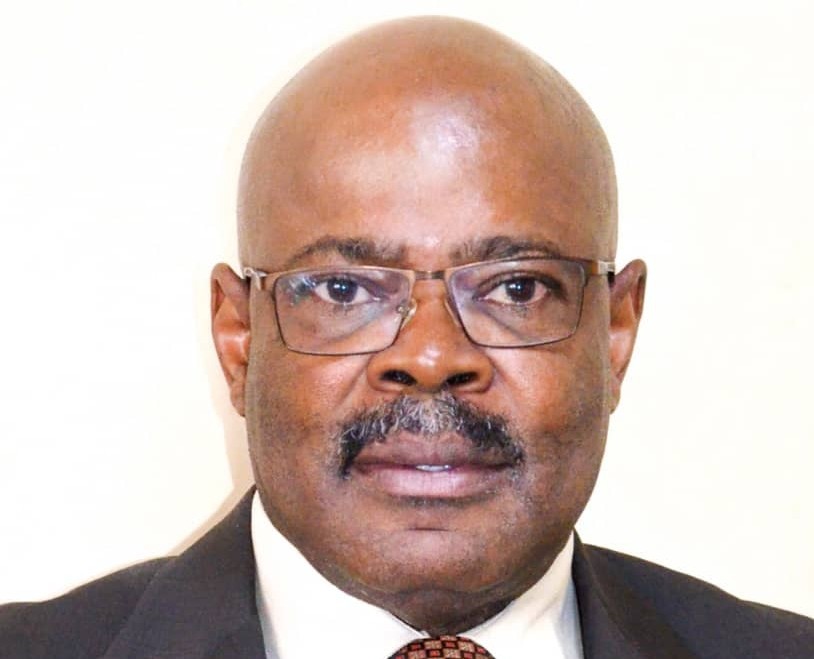
In a letter dated July 7 2026, signed by board chairperson Titus Mtegha, NWRA said the board had adopted findings of an independent forensic audit and resolved to submit matters pointing to possible corruption, abuse of office and procurement manipulation for investigation.
The audit was commissioned to establish facts surrounding allegations of financial misconduct, procurement irregularities, abuse of office and weaknesses in internal controls.
NWRA said the audit uncovered “serious procurement breaches, governance failures and transactions that raise reasonable suspicion of corrupt practices involving significant public resources”.
Among the matters referred to the ACB is the procurement of six Haval vehicles and six tipper trucks valued at K1,495,860,000, which the authority said were bought without board approval and outside the approved procurement plan.
The audit also flagged the procurement of vehicle maintenance services for vehicles 84 SC 9 and 84 SC 10, awarded to Double D Garage without following procedures under the Public Procurement and Disposal of Public Assets Act.
Other findings include a K75.2 million cleaning services contract awarded to P&L Cleaning Services and the single-source procurement of an Atomic Absorption Spectrometer worth K492.6 million.
NWRA said the spectrometer was acquired without required statutory approvals and remained unused for about two years, raising concerns over value for money.
The audit further identified alleged unfair competition and procurement splitting at Kamuzu Barrage involving transactions worth K197.8 million, as well as the engagement of suppliers who did not meet required qualifications.
It also raised concerns over repeated use of quotations from Chisa General Dealers, which the audit said could indicate possible conflicts of interest and supplier collusion.
Other matters referred to the ACB include alleged misallocation of vehicle funds amounting to K116.3 million and irregular procurement of catering services for the ISO CASCO Mirror Committee worth K864,000.
NWRA has asked the ACB to establish whether offences were committed, identify those responsible and take appropriate legal action where evidence supports prosecution.
In a written response, NWRA spokesperson Masozi Kasambala confirmed that the audit had been completed and that the board resolved to hand over the findings to law enforcement agencies.
“The exercise was duly executed and our Board of Directors passed a resolution to hand over the findings to ACB and fiscal police for their attention,” he said.
Kasambala said issues within NWRA’s mandate were being handled internally, adding that the audit was intended to verify the accuracy of the authority’s financial and asset records.
Acting ACB director general Gabriel Chembezi confirmed receipt of the report and said the bureau had started reviewing the findings.
“I can confirm receipt of the forensic audit report from NWRA. We anticipate an increased workload for the Bureau over the next few months as most forensic audits commenced last year are now being concluded and referred to us,” he said.
Chembezi said the ACB would investigate all matters pointing to possible corruption, abuse of office, procurement manipulation or other offences.
Governance experts said the referral was an important step but warned that it must be followed by decisive action.
Centre for Social Accountability and Transparency (CSAT) executive director Willy Kambwandira said the findings suggested deeper weaknesses in procurement controls and accountability systems.
“NWRA’s referral of the forensic audit findings to the ACB is necessary, but the allegations suggest more than isolated irregularities. They point to a serious breakdown of procurement controls, oversight and accountability, and potentially deliberate abuse of public resources,” he said.
Kambwandira said any wrongdoing must result in prosecution and recovery of public funds.
Governance expert Benedicto Kondowe said the referral was only the beginning of the accountability process.
“A referral alone is not accountability; it must be followed by timely investigations, corrective action and public assurance that public resources are protected,” he said.
Kondowe said the findings pointed to possible weaknesses in procurement planning, approval processes, compliance systems and institutional oversight.