The Lost History Foundation and Centre for Democracy and Economic Development Initiatives (Cdedi) are today meeting the Legal Affairs Committee of Parliament to formally present their advocacy arguments on the use of local languages in formal set-ups including parliament.
In an interview yesterday, Lost History Foundation executive director Kamunkhwala Conleith Selenje said the opportunity to meet members of Parliament (MPs) comes after six years of lobbying and advocacy.
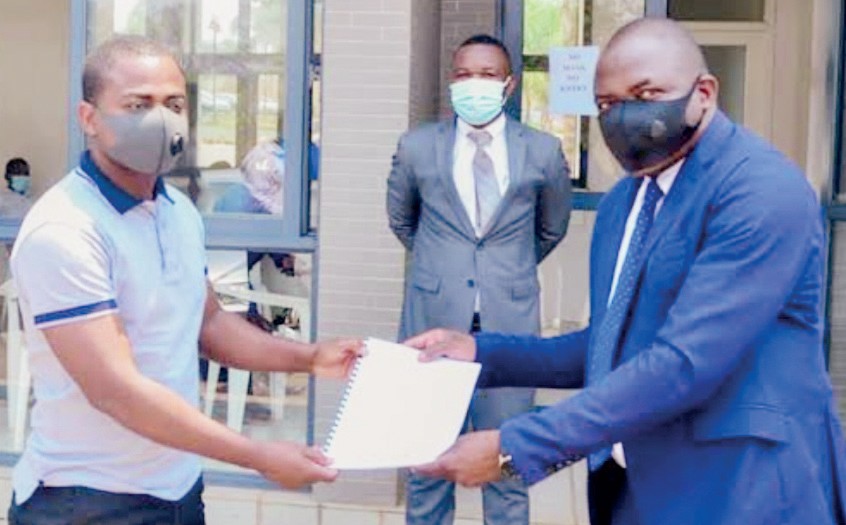
“We started this advocacy in 2020 and eventually one former MP, Yusuf Nthenda of Mulanje West received the petition and processed it.
“After years of waiting for progress, we teamed up with Cdedi and a new petition was presented; hence, the meeting today,” he said.
Selenje said they are just vessels and voices of the people who have been asking that local languages be used as official mediums of communication.
“We ask that Parliament should elevate and formally recognise Malawian local languages as official languages. We also want the introduction of local languages in parliamentary proceedings and restore the original name of Chichewa to Chinyanja,” he said.
Selenje argued that language is identity and people are recognised by the language they speak.
But the advocacy has not been welcomed by everyone. For example, in his capacity as the Chewa Heritage Foundation chairperson, Professor George Kanyama Phiri, in his article titled ‘Defending Chichewa as a language of Chewa people’, argued against Lost History Foundation petition on renaming Chichewa to Chinyanja by saying there are no ‘Nyanja’ people in Malawi.
“It is this assertion that we reject,” he said.
However, Lost History Foundation and its supporters are of the view that Chichewa should be renamed Chinyanja due to historical evidence that shows that Anyanja people existed and that Chinyanja is a regional language.
In a statement, Lost History Foundation argued that if the changes are effected, they will promote easy communication.
“Communication cannot be restricted to one language, but it will be in different languages which will be interpreted to suit the different people in Malawi.”
In a communication, parliamentary committee on legal affairs will meet the advocates today from 9.30am.
“Recognising your institution’s interest and contribution to the preservation and promotion of Malawi’s language, history and cultural heritage, the committee wishes to benefit from your perspectives on the proposal,” reads the letter in part.