Parliament describes APM, Speaker meeting as ‘cordial discussion’

President Peter Mutharika and Speaker of Parliament Sameer Suleman met in Lilongwe on Saturday amid tensions over Parliament’s constitutional oversight role, but finer details of the engagement remain under wraps.
Both Parliament and State House Press Office yesterday were coy on what transpired at the meeting held at Kamuzu Palace in the capital city.
In a statement, Parliament only said the President and the Speaker held “very cordial discussion” and reaffirmed their respect for the separation of powers among the three arms of government, namely the Executive, the Legislature and the Judiciary.
“His Excellency the President and the Right Honourable Speaker fully respect the separation of powers amongst the Executive, the Legislature and the Judiciary,” reads the statement which added that the 12 parliamentary joint committees to investigate several governance lapses will not proceed.
Presidential press secretary Cathy Maulidi, also confirmed in an interview yesterday that the meeting took place, but declined to comment on its agenda or whether any specific commitments were made regarding separation of powers.
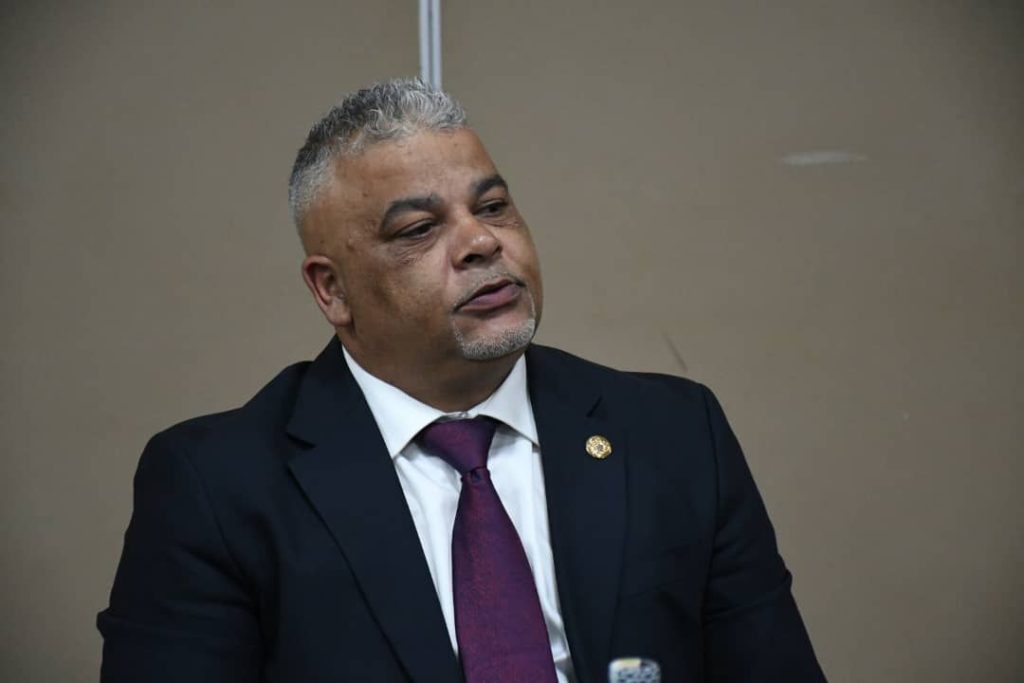
When approached yesterday, Suleman also declined to disclose details of the meeting, citing the court proceedings where concerned citizen Austin Mkoka obtained an order stopping the joint committees from executing their work.
He said: “It was a very good meeting and we have agreed to move together but, as you know, there are also issues to do with the court.
“I cannot say much. I cannot disclose much, but Malawians should know that we are working together with the President.”
Tension between the Executive and the Legislature came to light last week after the Speaker announced investigations into alleged governance concerns through joint committees. The issues set for probe involved Department of Immigration and Citizenship Services, Electricity Supply Corporation of Malawi, Electricity Generation Company, Power Market Limited, Blantyre Water Board and National Oil Company of Malawi, among other government institutions.
The other concerns include alleged preferential treatment of international transporters in fuel transportation, problems surrounding the Salima-Lilongwe water project, pension administration and delays in pension payments.
In a statement signed by Chief Secretary to the Government Justin Saidi the Executive on Thursday queried the legality of the Speaker’s decision to order 12 investigations into governance concerns negatively impacting public service delivery.
The statement stated that while the Executive is committed to the principles of separation of powers among the three arms of government, the power to establish parliamentary committees rests with Parliament and cannot be exercised unilaterally by the Speaker.
Meanwhile, Malawi Law Society (MLS) has joined the legal battle on the issue as a friend of the court, saying the case raises important constitutional questions concerning separation of powers, Parliament’s oversight mandate, the rule of law, transparency and accountability.
MLS president Davis Njobvu told our sister newspaper Nation on Sunday yesterday that the society will join the case as a friend of the court, saying its intervention will focus on the proper interpretation and application of the law.
“Ours is a sober, independent and objective voice,” he said.
On the other hand, Attorney General Frank Mbeta said he was studying the court documents before deciding on the government’s position.
“I am studying the documents. I will advise in due course,” he said in a written response.
Private practice lawyer-cum-activist Benedicto Kondowe said Parliament was right to comply with the injunction but it should not interpret the court order as requiring it to surrender its constitutional oversight mandate.
He said Parliament’s immediate legal remedy was to urgently seek the discharge or variation of the injunction and defend the substantive judicial review, particularly given the public-interest issues at stake.
Section 56(6) of the Constitution empowers Parliament to establish committees, including joint committees, to perform its oversight functions.
Parliament announced the planned inquiries on September 2, saying they followed complaints raised by members of the public and other stakeholders.