Malawi Electoral Commission (MEC) has announced plans to shift from reactive management of electoral threats to a structured system that will identify and address risks to preserve the credibility of elections.
In this regard, MEC is developing an Electoral Risk Management Policy and Framework to guide the identification, assessment, monitoring and mitigation of threats throughout the electoral cycle.
| Wycliffe Njiragoma
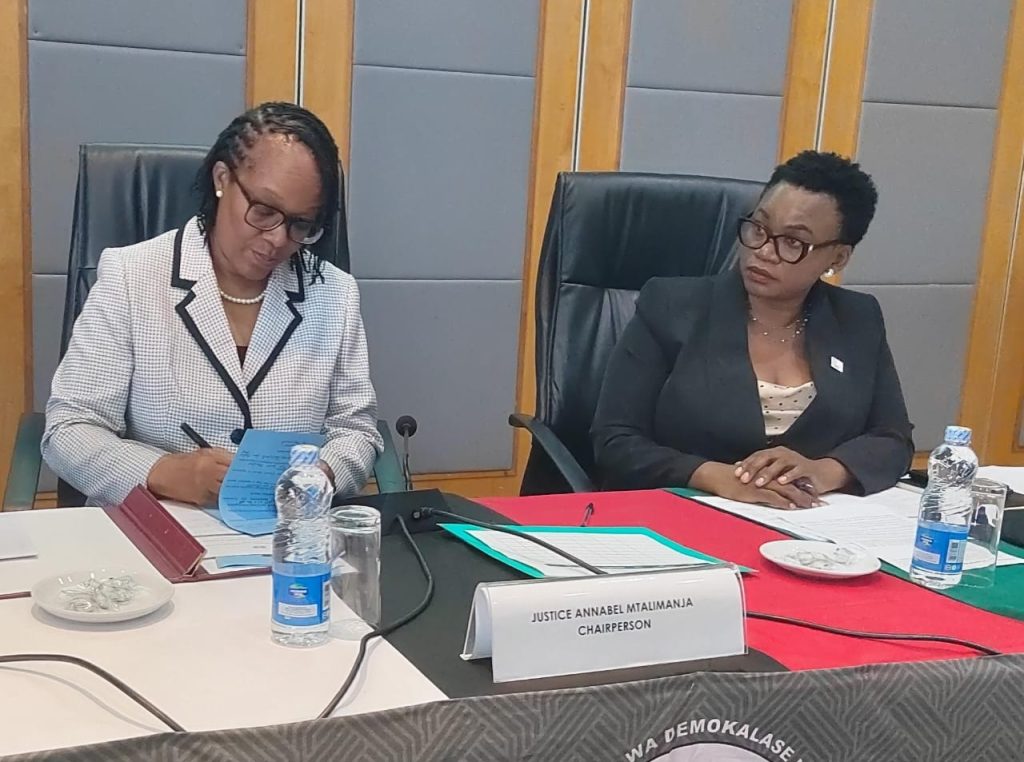
MEC chairperson Annabel Mtalimanja, speaking during a validation workshop in Lilongwe yesterday, said the proposed instruments will strengthen the commission’s preparedness by ensuring potential threats were identified and addressed before escalating into crises.
“Credible elections are not achieved on voting day alone. They are built through meticulous planning, effective institutional coordination, continuous stakeholder engagement and the ability to identify and address potential threats before they escalate into crises,” she said.
Mtalimanja, a judge of the High Court of Malawi, cited logistical and operational challenges, cybersecurity threats, political tensions, electoral violence, misinformation and disinformation, coordination failures, competing interests, infrastructure breakdowns and natural disasters among the risks requiring attention.
She said growing dependence on technology, information processing and interconnected infrastructure have made electoral management more complex, requiring sophisticated and data-informed approaches to risk management.
“What we are validating today should not become a mere document that sits on institutional shelves,” said Mtalimanja.
International Institute for Democracy and Electoral Assistance (International Idea) Electoral Processes in the Africa and West Asia Region programme officer Vera Muring said elections are increasingly being conducted in complex and volatile environments characterised by political tensions, institutional crises, technological advances, misinformation, security threats and environmental challenges.
In an interview, National Initiative for Civic Education (Nice) Public Trust civic education and programmes officer Christopher Naphiyo said civic education organisations had an important role in raising public awareness of electoral risks and encouraging citizens to contribute to peaceful elections.
Public Affairs Committee (PAC) executive director Robert Phiri said the framework would help organisations involved in electoral peacebuilding identify areas where dialogue and mediation could prevent or resolve conflicts before, during and after elections.
Earlier, MEC acting chief elections officer Andrew Kamkwalala said the commission had previously managed electoral risks on an adhoc basis, with risk management largely embedded in routine operational processes.
MEC’s 2023-2028 Strategic Plan also identifies institutional risk management as an important component of effective electoral administration.