Malawi Energy Regulatory Authority (Mera) has liberalised importation of diesel to allow companies undertaking strategic development projects bring in the commodity for their own consumption, a move business and consumer representatives have applauded.
In separate interviews yesterday, Malawi Building, Civil Engineering and Allied Trades Association (Mabcata) and the Consumers Association of Malawi (Cama) welcomed the arrangement, but urged Mera to ensure safeguards so that the imported diesel does not find its way onto the parallel market.
Mera chief executive officer Dad Chinthambi in a statement on Monday, invited companies requiring substantial quantities of diesel and with approved storage facilities to apply for licences to import the commodity for own use.
He said the initiative, which has policy support from the Ministry of Energy and duty and excise waivers from the Ministry of Finance, Economic Planning and Decentralisation, seeks to broaden participation in fuel importation.
“The licence will be granted subject to legal and regulatory requirements being met. The opportunity is limited from 17 November 2026 to 31 January 2027,” reads the notice.
In an interview yesterday, Mera consumer affairs and public relations manager Fitina Khonje said the waiver covers duty and excise on diesel while other applicable levies remain payable.
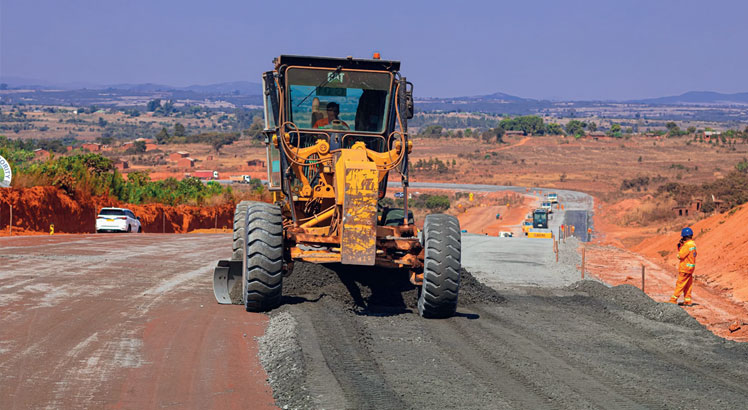
Mabcata president Vivien Chiocha said the arrangement will benefit construction companies which have experienced project delays due to diesel supply challenges.
She said construction projects often operate within set timelines, making access to fuel critical for contractors to keep machinery and other operations running.
“This has opened an opportunity for companies to import fuel specifically for the construction sector, which will improve accessibility to fuel for contractors,” said Chiocha.
Cama executive director John Kapito described the decision as long overdue, arguing that Malawi’s reliance on a few major fuel importers has left the country vulnerable whenever they face challenges.
He said allowing companies to import diesel will enable factories, construction firms and large transport operators to maintain operations while potentially easing pressure on filling stations.
Malawi University of Business and Applied Sciences energy specialist Suzgo Kaunda said the initiative could reduce project delays and improve the availability of fuel for productive economic activities.
He said some companies financed by international organisations could also pay for fuel imports in foreign currency outside Malawi, potentially reducing pressure on domestic financial resources used to finance fuel procurement.
Economics Association of Malawi president Bertha Bangara-Chikadza said the benefits would be greater if companies used their own foreign currency to finance imports as this would ease pressure on National Oil Company of Malawi, licensed importers and the foreign exchange market.
However, she warned that the arrangement could create risks, including loss of government revenue through tax waivers and unequal access for businesses without approved storage facilities.
But Bangara-Chikadza called for clear eligibility criteria, publication of approved firms and volumes, and a defined review of the measure once supply stabilises.
The initiative comes as Malawi continues to experience prolonged fuel shortage partly linked to forex challenges.
On average, Malawi consumes one million litres of petrol and one million litres of diesel per day, translating to 60 million litres of petrol and diesel per month and 720 million litres of both items per year.