Women giving birth in Machinga are enduring untold agony as hospitals run out of drugs, including painkillers.
Mainatu Mussa, whose sister delivered via a Caesarean section at Machinga District Hospital, struggled to find money to buy prescribed medicines as the patient recovered from surgery.
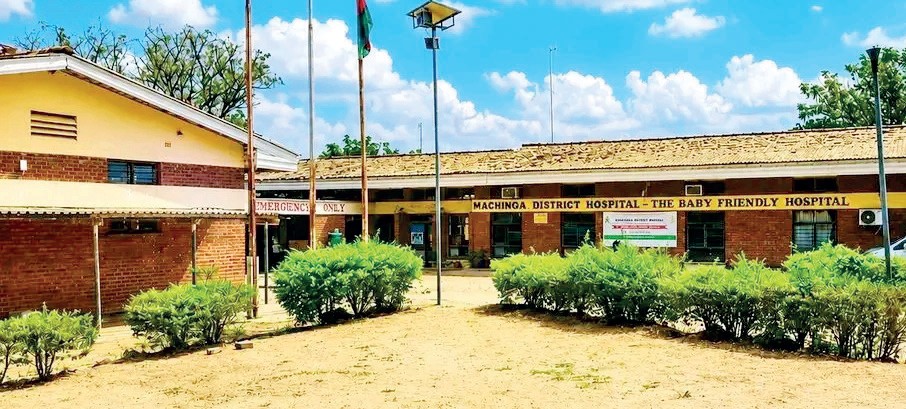
When the two women, from Traditional Authority Nkoola, arrived at the hospital, they had K25 000 for their hospital stay. However, healthcare workers told them to buy a urinary catheter from a nearby private clinic because the public hospital had none.
“We had no option but to go and buy it because she was enduring pain,” Mussa says. “Apart from the catheter, which was worth K5 500, we had to buy other medicines, including painkillers. Imagine having to choose between buying food and meeting the medical needs of a recovering mother.”
Mussa spoke to The Nation while waiting for the patient to recover.
“Not a single day passed without asking the doctors to discharge us because we didn’t have money for food and essential drugs,” she says.
Out-of-pocket payments impoverish Malawians and put lives in danger amid worsening shortages of essential drugs and medical supplies in the country’s seemingly free hospitals.
At Chikweo Health Centre in the district, the shortages have crippled emergency care.
On October 15 2026, John Kaisi, from Traditional Authority Mtumbwinda, rushed his unconscious five-year-old son to the facility after the boy accidentally swallowed pesticides.
However, medical staff told the parent to buy gloves from a nearby private clinic before treatment could proceed.
“We were told to buy five pairs, so I had to borrow the money to save the boy who was wobbling between life and death,” says Kaisi.
For poor Malawians like him, unexpected expenses can turn a medical emergency into a debt trap.
Chikweo Health Centre Advisory Committee chairperson Brighton John the stock-outs are also stressing community structures that support health facilities.
He says the facility has gone half a year without replenishing medical supplies, forcing his committee to contribute money to buy gloves and other life-saving goods.
“However, the arrangement has become unsustainable given the high number of women who come to give birth at our rural facility. A pack of gloves costs more than K100 000,” says John.
Chikweo Health Centre serves a population of 6 000 people from six surrounding traditional authorities.
Machinga District Hospital spokesperson Wongani Nyirenda says all 23 health centres in the district are affected as some essential drugs are either critically low or out of stock.
“The most affected include analgesics, commonly known as painkillers, and nifedipine tablets used to treat hypertension,” he said.
Nyirenda attributed the life-threatening stock-outs to erratic deliveries from the Central Medical Stores Trust (CMST).
He warned that the hiccups disrupt standard treatment, leaving people dying of treatable conditions.
The stockouts also increase referrals to district and central hospitals as drugstores’ price tags make patients and their guardians poorer.
“To mitigate the situation, we are promoting rational use and redistribution of available medicines. We are also placing routine and emergency orders with CMST and private suppliers using 10 percent of drug devolved funds,” he says.
Nyirenda says the district council also uses revenue from its paying-services section to purchase some essential medical supplies.
“However, replenishing our stocks depends on the availability of medicines at CMST and deliveries are expected in batches rather than all at once,” he says.
The situation in Machinga mirrors a nationwide concern as healthcare facilities lack about 60 percent of drugs they need to manage major killers.
In September, CMST disclosed that it owes international suppliers about $18 million (about K31.5 billion). The report showed that only 62 items, representing 18 per cent of the medicines and supplies assessed, are in stock.
Medicine availability has also declined from 51 to 40 percent since April this year, collapsing below CMST’s target of 55 to 65 percent.
Central hospitals are hit the hardest, with their drug stocks shrinking from 34 to 18 percent since April.
In August, the life-saving stocks fell steeply from 30 to 19 percent.
Health rights campaigner Maziko Matemba says the deadly dearth calls for urgent reforms in the national drug procurement and supply systems.
Forcing patients to buy medicines out-of-pocket deepens households’ poverty, he says.
“Malawi does not manufacture most of these drugs and the challenges have come partly because of forex scarcity,” he says. “However, essential medicines, particularly those supporting maternal, newborn and child health, should always be prioritised.”
The shortages also threaten the country’s push for universal health coverage, which requires everyone to access healthcare without suffering financial hardship.
“We have already seen people paying out-of-pocket and the have-nots will borrow money to buy drugs. It means that we are impoverishing our populations even more,” says Matemba.
He urges councils to utilise decentralised funding for critical health services, including timely procurement of medical needs.
“The patient will not wait for CMST or any other mechanisms to bring medicine. So we need to be innovative,” he says.
Meanwhile, the likes of Mussa go hungry so that a mother who has just given birth can recover from the stitches.
For Kaisi, the memory of searching for gloves while his unconscious son needed urgent treatment speaks of a failed State.
“These hospitals will kill us,” he says. “What is a hospital without drugs?”