Today is Mother’s Day in Malawi and empowered mothers and frontline workers are transforming children’s nutrition—averting not only the stigma and inner pain a woman suffers when her baby is malnourished, but also guaranteeing the child’s health, growth, learning ability and productivity. Unicef communications officer PHILLIP PEMBA reports:
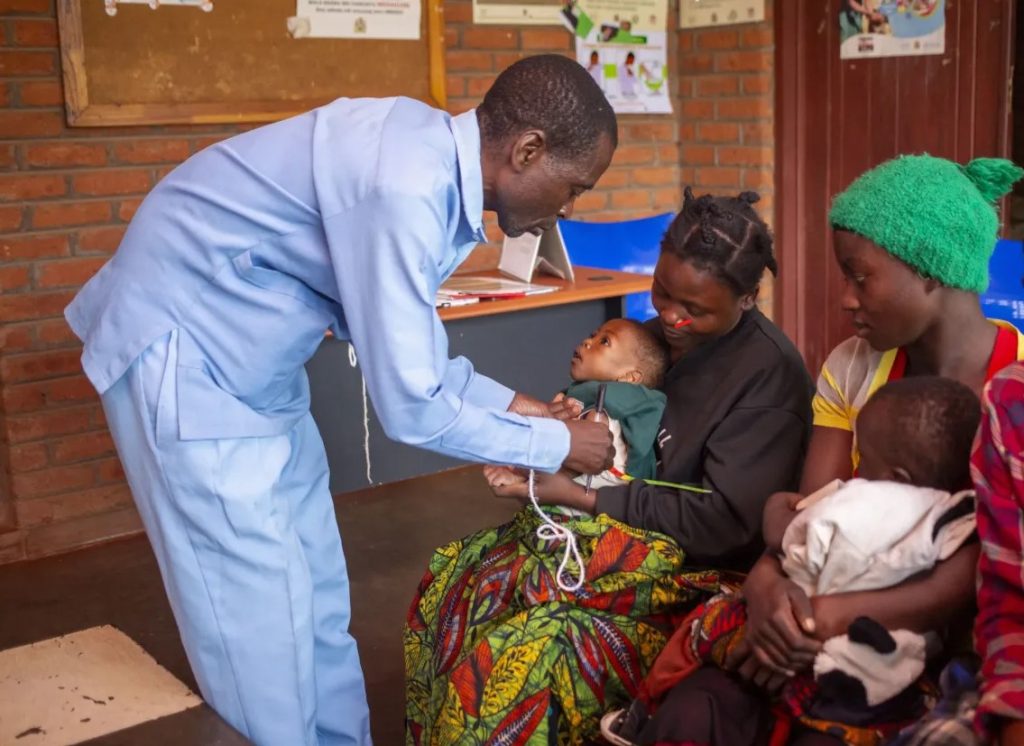
At St Vincent Health Centre in Blantyre District, Pemphero Makina cradles her daughter, Alinafe, as a healthcare worker gently wraps a tape around the child’s middle upper arm to assess her nutritional status.
A few months back, the mid–upper arm circumference (Muac) tape revealed how close Makina was to losing her child because of malnutrition.
“She had low weight,” she recalls. “She couldn’t eat properly and was struggling to play with her friends.”
Alinafe’s Muac reading had dropped into the red zone, signalling severe acute malnutrition. For her mother from Lomosi Village, it was a painful sign that her child’s life was in danger amid worsening hunger and poverty.
However, the nutrition screening marked a turning point for Alinafe’s health as health workers immediately enrolled the baby in treatment.
They gave the child ready-to- use therapeutic food (RUTF) and counselled the mother on appropriate child feeding practices, including how to prepare nutritious, diversified meals at home.
“With this help, my child’s body weight started improving,” she says. “She started playing with her friends again. I am overjoyed to see her like this.”
Disease control and surveillance assistant Weston Makupe remembers the day the child was found severely malnourished.
“The child’s life was under threat. With the interventions, Alinafe started improving to this day when she looks very healthy,” he says.
The United Nations Children’s Fund (Unicef) is collaborating with the Ministry of Health and Sanitation to address wasting in children. The initiative is funded by the Government of Ireland through the Unicef-led Child Nutrition Fund.
It seeks to accelerate national progress towards the UN Global Action Plan on Child Wasting by strengthening health systems across seven districts and empowering communities to prevent and manage malnutrition.
With Ireland’s sustained support, Malawi is now on track to meet the World Health Assembly target of keeping child wasting below five percent by 2030.
Under the partnership, healthcare workers also received the tools and trainings critical to their work.
“We have Muac tapes, height boards, water, sanitation and hygiene facilities and we receive supplies including RUTF on time,” Makupe explains. “We also get quarterly trainings which empower us to do our job properly.”
In Zomba district, Tiyanjane Nelson watched her twins grow, with one thriving while the other steadily wasted away.
She joined Thanzi sessions, community-based learning circles that teach families in Mwamadi Village how to prepare nutritious meals using locally available foods.
Tiyanjane says that at first, her undernourished daughter, Fortunate, slowly began to like the nutritious porridge, which helped her recover from wasting.
“She had stopped walking; now she walks properly and even runs,” she says. “Thanzi sessions have taught me how to combine different foods such as groundnut flour, eggs, vegetables, fruits and rice to provide nutritious meals to my children.”
With her new backyard garden, Tiyanjane rarely walks long distances for vegetables.
“Sometimes, I even sells the surplus to buy soap or fish,” she says.
Once, disease control and surveillance assistant Samuel Ndalama identifies malnourished children with the help of a mother group, they counsel parents on the causes. “Mostly, it is lack of diversified food. We teach them how to prepare nutritious meals using what they already have,” he says.
Unicef Malawi chief of nutrition Charity Zvandaziva says Malawi has faced repeated emergencies such as floods and droughts which drive food insecurity and contribute to rising numbers of severely malnourished children.
“We appreciate the support from Irish Aid as it helps us procure supplies and train health workers on the newly adapted WHO guidelines.”
But Zvandaziva also warns of shrinking global development assistance.
“We need domestic financing for nutrition interventions. We are also advocating for use of mechanisms like the CNF, so we can sustain the gains we have made,” she says.
Alinafe and Fortunate now live with improved nutrition that is safeguarding their survival, growth, learning ability and productivity later in life.
As they laugh while playing with their friends, the children’s rise from malnutrition become faces of a nation rebuilding its nutrition systems, one mother, one child at a time.