My first major assignment in development communication was covering the devastating 2015 floods, which killed hundreds and displaced more than a million people across the Southern Region.
Months later, the country was grappling with drought as an El Niño-related dry spell scorched crops.
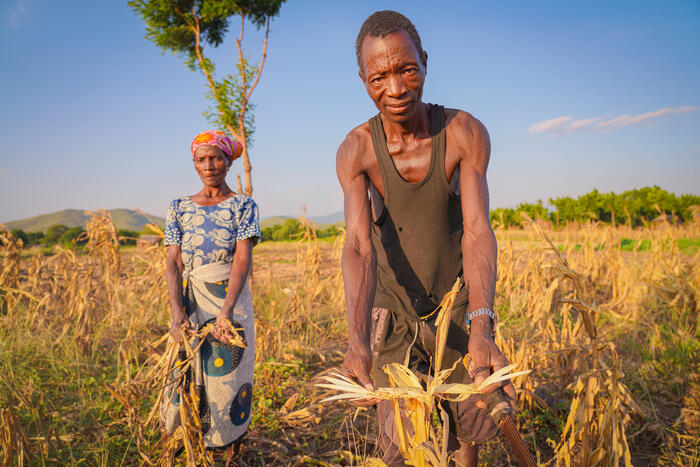
From the 2015 floods to the 2016 drought, these disasters showed how quickly extreme weather can turn into a food crisis.
Forecasts for October 2026 to March 2027 warn of a potentially powerful El Niño, bringing heightened flood risks to parts of East Africa and drought to Southern Africa.
Forecasts call for preparation. Malawi cannot afford to wait until crops fail and families need emergency food assistance.
A recent policy brief by the Civil Society Agriculture Network (Cisanet), ‘Insights for agri-food systems transformation’, highlights weaknesses in Malawi’s extension system.
Only one percent or less of our agricultural sector budget goes to extension. Meanwhile, one extension worker serves nearly 4 500 farmers, with even higher ratios in parts of the Central and Southern regions.
That is an enormous gap between the advice farmers need and the support available to provide it.
This year, the Malawi Vulnerability Assessment Committee estimates that 2.6 million people will face food insecurity before the next harvest. The number of people requiring food aid could rise if the United Nations’ food agencies’ warnings of heightened hunger risks in the region materialise, with Malawi among the countries potentially hardest hit.
These are not just statistics; they represent households whose food security may depend on farmers receiving timely, practical support before the rains arrive.
The country must do something differently to avert this crisis.
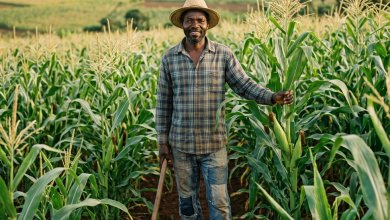
Extension workers are a vital link between agricultural research and farmers. They bring knowledge to the last mile, helping smallholders decide what to plant, when to plant and how to protect their crops.
However, advice cannot reach every community if a single worker is responsible for thousands of farmers.
Ahead of a possible El Niño, extension services should strengthen and equip themselves to teach practical, locally appropriate measures.
These include conservation agriculture, such as minimum tillage, mulching and planting basins, to conserve soil moisture; and a shift towards early-maturing, drought-tolerant crops and short-cycle alternatives, rather than relying solely on traditional maize.
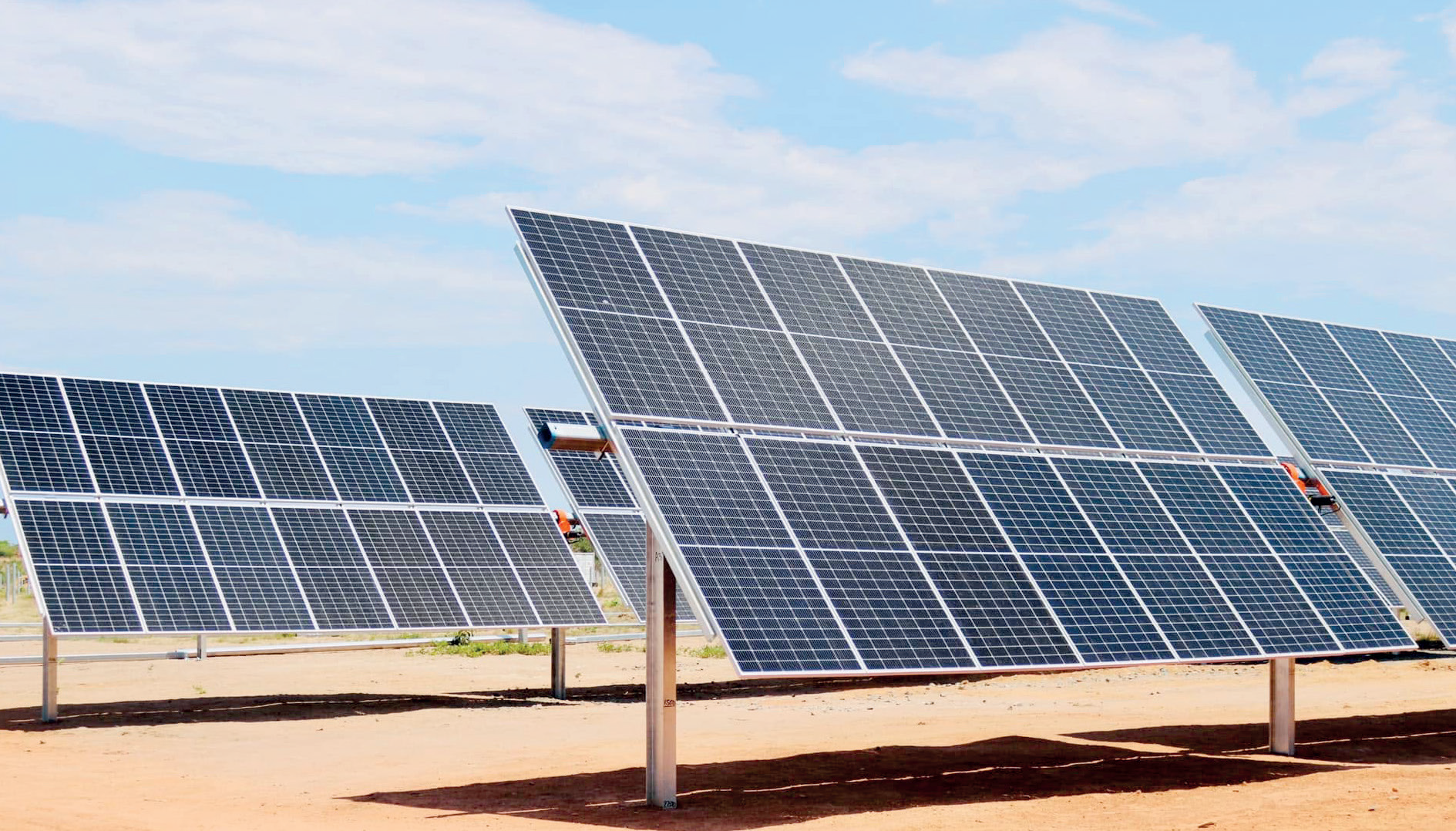
Farmers also need guidance on water harvesting, small-scale drip irrigation and solar-powered systems. Extension workers can help communities detect and manage pests, including fall armyworm, whose impacts may worsen when crops are stressed.
Livestock owners need timely advice on feed planning and, where necessary, managing herd sizes before drought makes that decision for them.
Good intentions from the government are not enough; they did not even make it into the passed budget, which likely left extension workers without support. As nongovernmental are equally stretched and donor aid retracts, the private sector must step in to help close the gap, or at least make some difference.
Extension workers need transport and tools to reach farmers. Development partners and civil society can support that effort, but a dependable public extension system must remain central.
This coming El Niño may be beyond our control, but preparedness is not. Strengthening extension services now could help protect harvests, incomes and lives.
The author is the Lead Storyteller at FoodThink, a local storytelling initiative driving change to promote food security and nutrition.