An island too far from Escom power lines that supply a quarter of the country’s population now basks in the power of sunlight, our Staff Writer JAMES CHAVULA reports:
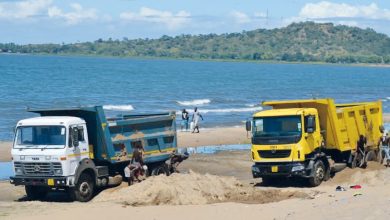
Until 2024, Chisi in Zomba was still an island many people knew before Lake Chilwa dried up six years earlier. About 5 000 people lived without electricity and its progress stuttered.
The fishing community blew its hard-earned earnings on boat rides to access everyday goods and services on the mainland. After departing and arriving, all slept deep, deep in the dark they sometimes feared the island would never wake from energy poverty.
Power of sunlight
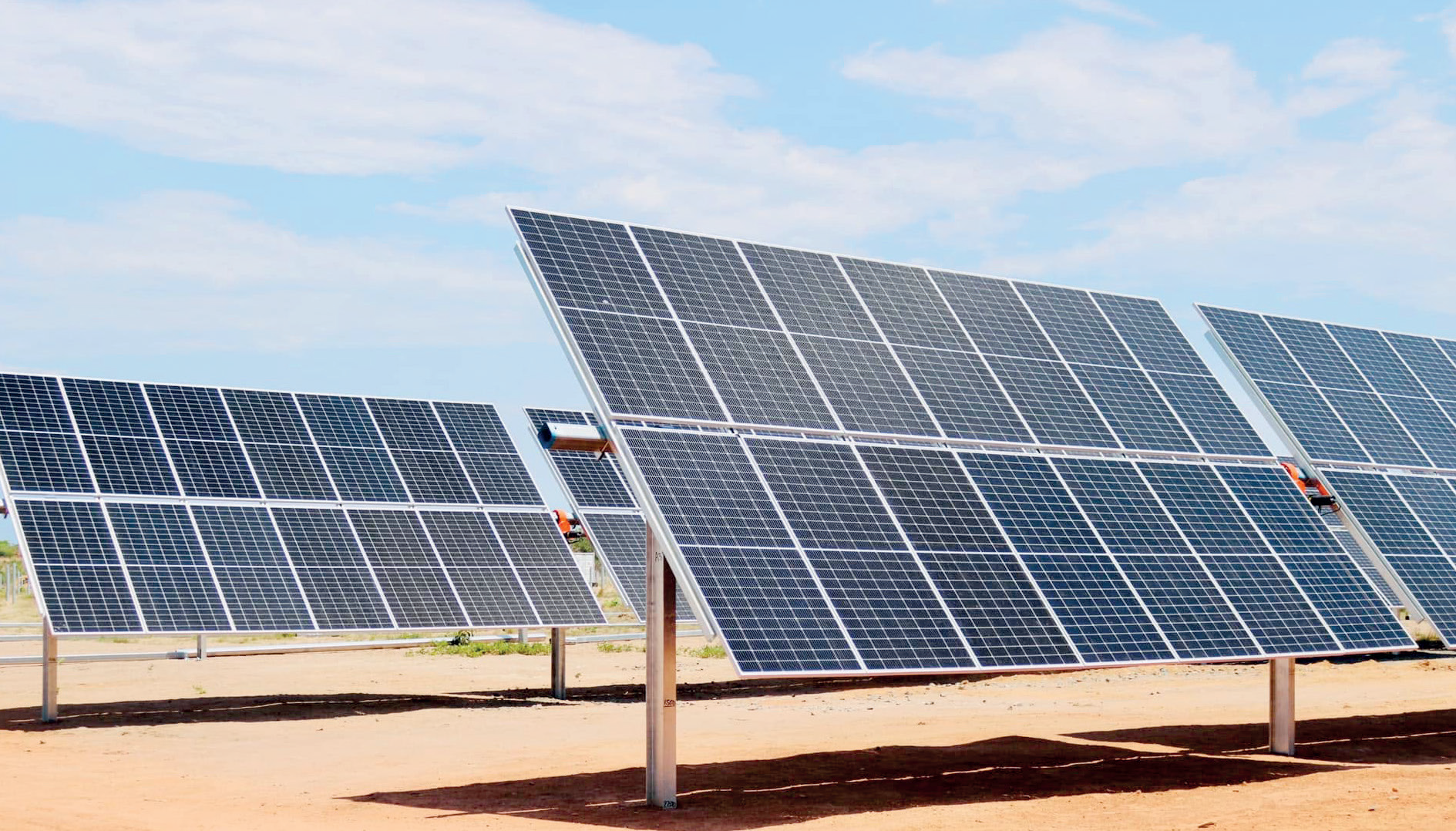
In 2003, a 46-kilowatt solar minigrid jerked Chisi into a hive of business activity no longer stunted by years of waiting in vain for Electricity Supply Corporation of Malawi (Escom) power lines.
“Minigrids hold the potential to accelerate access for rural areas, including island communities, where grid extension is not economically feasible,” says Community Energy Malawi (CEM) executive director Edgar Bayani.
CEM operates Chisi Solar Minigrid and Mwansambe Hydropower Minigrid in Ntcheu on concession with the government.
According to Malawi’s Integrated Energy Plan, 26 percent of Malawians can best be served with off-grid options such as the island’s standalone power system.
“Off-grid initiatives offer hope to remote, isolated and sparsely populated communities,” Bayani states.
The cost of installing electricity poles, wires, transformers and other accessories across the country’s second-largest lake was dizzying. When it evaporated due to drought in 2018, even the vehicles that criss-crossed its cracked bed could not bring towers to lift power transmission lines to Chisi, where visitors sometimes outnumber natives.
For decades, Escom and the Malawi Rural Electrification Programme, born in 1980, sidestepped the islanders in favour of the mainland, where just four percent of the country’s rural majority access electricity.
However, the island has surmounted the challenge that relegated it to an allegorical postcard of energy poverty amid waning quality of life and suppressed money circulation.
Chisi’s $500 000 (about K875.5 million) solar minigrid highlights how decentralised solutions fast-track electricity access and unlock possibilities in off-grid areas. It supplies about 200 homes, a health centre, a public school, maize mills, welding shops, barbershops, salons and restaurants.
Zomba hosted the country’s first-ever minigrid on Mulunguzi River in Zomba Plateau to power the colonial-era capital.
The country’s oldest hydropower generator is on display at Blantyre Museum, leaving Zomba City scrambling for the overwhelmed grid that supplies about a quarter of the nation despite roaring waterfalls in the second-largest mountain.
Over 95 percent of Malawi’s electricity comes from the flood-prone Shire River. Overdependence on the largest river and stretching power lines has left 96 percent of the country’s rural majority still unreached.
Cyclone Ana exposed the fragile turbines on the Great Shire in 2022 when floods struck off the 139-megawatt Kapichira Hydropower Station.
The disaster triggered a nationwide blackout that persisted for three weeks in the Northern Region, almost 700 kilometres away, exemplifying the ripple effect of banking on one big grid.
However, standalone energy systems such as Chipopoma Hydropower Minigrid at the camera-ready Mantchewe Falls in Livingstonia Plateau, Rumphi District, emerged unscathed from the devastating storm.
Its founder, John Silesi, recalls desperate people flocking to Mantchewe to cool perishable foodstuffs, mill grain, get haircuts and weld metal tools.
“We lost years waiting for Escom power lines from Livingstonia Mission. We see the lights at night, but the national grid remains beyond our reach. Ironically, we have many waterfalls where we can generate electricity for areas that Escom can’t reach,” he says.
The hydropower minigrid supplies 165 homes, businesses, a school and a women’s skills development centre.
There is a similar awakening around Mthembanji and Kudembe solar minigrids in Dedza.
“Some people think solar energy is inferior to hydropower, but now they know it is just electricity. Solar is quick. The sun is everywhere and free, so you don’t have to wait for Escom,” says Mthembanji Minigrid site manager Lloyd Thomas, operating a solar-powered maize mill.
Beyond grid power
Renewable energy engineer Edson Kathumba, who manages the two minigrids in Dedza, says extending the grid infrastructure to remote areas is more costly.
“Minigrids provide power without having to extend power lines. Solar minigrids are not site-specific. They just need sunlight with no shadow on solar panels to generate power where it is needed”
The National Energy Policy recommends decentralised options for communities located 10km off the grid.
However, they remain hugely donor-funded even though the Rural Electrification Fund is mandated to finance minigrids within five kilometres from Escom’s middle-voltage power lines.