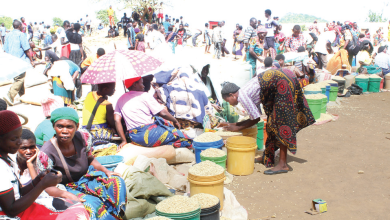
Economic and political science experts have said the withdrawal of aid by countries such as the United Kingdom and United States (US) is a watershed moment for Malawi to rethink donor dependency.
During a webinar organised by the Political Science Association (PSA) yesterday, they argued that Malawi must brace for a world of reduced or no aid at all and thus begin to generate its own resources and manage them better to sustain its expenditure and citizens’ well-being.

The discussion came on the back of the US terminating contracts worth $230.4 million (nearly K494 billion) under the United States Agency for International Development (USAid) for Malawi.
Making a presentation titled ‘Turning the tide: Political economy of aid in the context of recent shifts in US and UK policies’, Dan Banik, a professor of political science and research director at University of Oslo in Norway, said looking ahead the picture looks gloomy for Malawi with aid uncertainty hanging over sectors such as education, health and pandemics.
He said: “Malawi will be one of the hardest hit countries due to the aid freeze. And this will result in economic instability and debt distress. I doubt if Europe will fill the gap. So, will Malawi and others get more aid from China?”
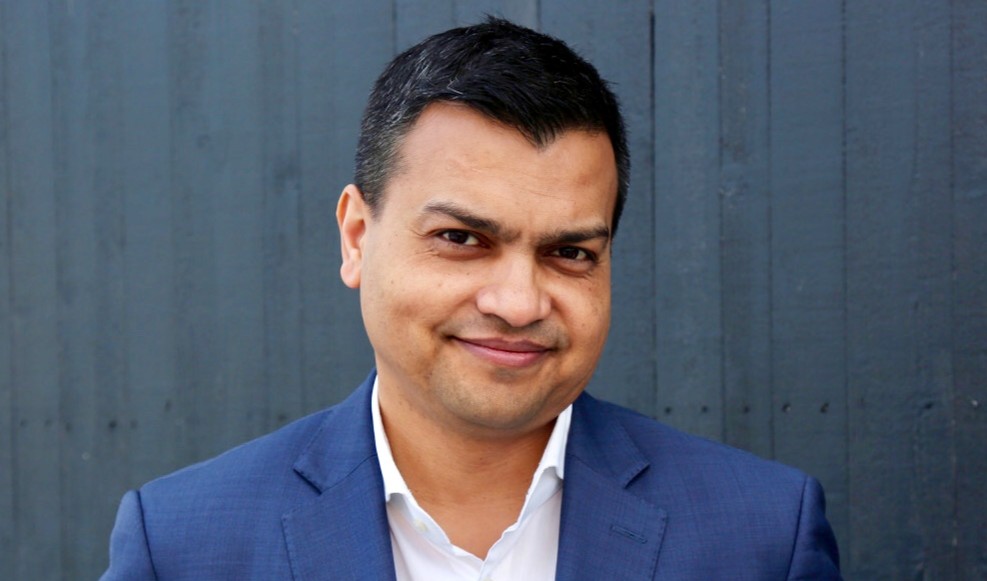
Banik further doubted if the country can recover with current policies and economic trajectory.
He suggested: “Leaders will need to take the right steps, including making tax collection more efficient. But most importantly Malawi must prioritise investing in areas such as agriculture or education and not what donors have been prioritising in the past.”
University of Malawi-based economist Bertha Bangara Chikadza, one of the discussants, observed that for the past seven years, the country has been witnessing a drop in aid, but leaders never thought US support would dry up.
Chikadza, who also leads the Economics Association of Malawi, suggested robust measures such as an end to spot fines to deal with corruption and formalising the informal sector so that government boosts its revenue collection.
“Minus aid, the country should prioritise development. Sometimes we think we are entitled to aid. But we are not.
“Moves to boost tourism, mining and agriculture should be done on a large scale to generate local resources. It is high time we fixed the local revenue base.”
Educationist Limbani Nsapato decried dependency on foreign aid, saying solutions to wean off dependency have been proposed, but largely ignored by politicians.
Efforts to get the views of Minister of Information and Digitisation Moses Kunkuyu proved futile yesterday, but he recently told The Guardian (UK) that being a repetitive victim of natural disasters and global economic woes, it is clear that Malawi still needs aid to get out of poverty.
In the 2025/26 fiscal year, Minister of Finance and Economic Affairs Simplex Chithyola Banda said grants are estimated at K1.14 trillion, of which K1.10 trillion will come from international organisations and K86.36 billion from foreign governments.
But yesterday during his closing statement in Parliament Chithyola Banda said following the USAid decision, government will ensure that all services regarding HIV and Aids continue being offered in the country’s health system, including treatment.
Meanwhile, in the implementation of the MIP 1, which spans from 2020 to 2030, the National Planning Commission said government’s preference for development aid is grants and concessional loans, with the latter only contracted for projects with high rates of return and huge multiplier effects as part of accelerating the country’s development agenda.