Over a year after Treasury Secretary Betchani Tchereni announced that his ministry had completed reviewing regulations to operationalise the Confiscation Fund, the fund, now holding over K3 billion, is still not operational.
This week, the Financial Intelligence Authority (FIA), the agency overseeing the money and properties under the fund said this week that they are still waiting for the guidelines to operationalize the fund.
“We are still waiting for the Financial Crimes (Confiscation Fund) Regulations to be issued once the State President assents to the Financial Crimes (Amendment) Bill No. 7 of 2025,” FIA senior public relations officer Patience Lunda said in a WhatsApp response on Thursday.
“FIA recognises the great efforts made by the Government on this matter. We are almost there and this is very good progress. We are very certain that the amended law and the Regulations to be issued will go a long way in bringing clarity on the operationalisation of the Confiscation Fund.”
Confirming that the money in the fund remains idle, Lunda added the fund currently holds slightly over K3billion deposited by various authorities such as the Malawi Police Service, Anti-Corruption Bureau, Directorate of Public Prosecutions and FIA.
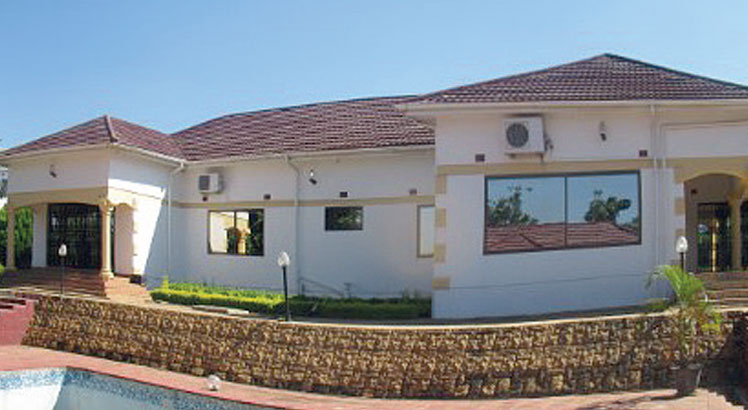
Apart from money, FIA also oversees property such as houses, plots and motor vehicles recovered from corruption suspects.
“The assets are yet to be valued by a professional asset valuer. [But] these assets are very safe as they have authority in form of judgement from the courts.”
However, the delay to operationalize the fund raises concerns about the current status of the properties some of which have been held for over 12 years without being sold.
In an interview, legal expert Kamudoni Nyasulu criticised government for failing to assent to the law that would formalise and regulate the operations of the Confiscation Fund. He asserted that without this law, the money and assets recovered from suspects cannot be effectively managed or utilised for national development.
“Once the State has taken that money, whether it is still fighting in court or not, the money should be used.”
Governance expert Willy Kambwandira, said the delay in making the Confiscation Fund operational casts doubts about government’s commitment to fighting corruption.
He said: “The delay in making the Confiscation Fund operational, where money in billions recovered from corrupt dealings remain idle does not only undermine efforts to combating graft, but is also reflects systemic failures, and raises fears that funds and properties recovered from illicit deals could be misappropriated or may lose value over the time.
“There is need for swift actions to restore public confidence and ensure that recovered funds are utilised effectively for the country’s benefit.”
He said: “We already have systems in place but execution is falling short. The government must translate legal frameworks into action to ensure transparency and uphold justice without favour or delay.
“The Confiscation Fund has the potential to transform from a dormant account into a powerful instrument for public good thereby restoring trust and fuelling development.”
In October 2023, FIA disclosed that the Fund was then holding K1.5 billion but it explained that in the absence of a formal management policy it could not channel the funds into development initiatives or social programmes.
However, the organisation reported then that processes were underway to develop operational guidelines.
Last year, former FIA public relations officer Masauko Ebere told the media the guidelines were still being reviewed but gave June 2024 as the targeted timeline for the completion of the process.