Parliament was dissolved yesterday in line with constitutional order, drawing mixed reactions with opposition leaders and political analysts reflecting on its six-year term as one filled with both activity and shortcomings.
Key concerns raised include the rushed passing of bills, partisan conduct by the Speakership and internal divisions within the main opposition Democratic Progressive Party (DPP), all seen as having undermined the credibility and functionality of the House.

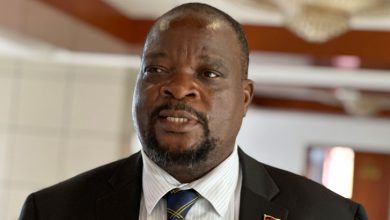
In an interview yesterday, former leader of opposition in Parliament George Chaponda described the outgoing Parliament as active, but flawed, especially in its legislative conduct.
He said: “The government side abused its numerical advantage. You saw this with the Energy Bill, which was pushed through to legitimise a process—such as the government-to-government fuel deal—that had already started. We raised our concerns, but we were ignored. That was the pattern with most bills.”
Chaponda previously served as Leader of the House during a similarly controversial period under the late president Bingu wa Mutharika between 2004 and 2012.
His remarks echo past criticisms that DPP, which he led in the House, once used its numbers in Parliament to bulldoze contentious laws during its tenure.
In his assessment, Chaponda further raised concerns about the neutrality of the Speakership, accusing the Speaker Catherine Gotani Hara and First Deputy Speaker Madalitso Kazombo of maintaining active roles in the governing Malawi Congress Party (MCP), which he said compromised their impartiality.
He cited Botswana as an example of a Parliament where Speakers are detached from active party roles.
Former leader of opposition Kondwani Nankhumwa, who Chaponda dislodged following internal wrangles in DPP, also criticised the consistent waiving of Standing Orders to table bills without the required notice period.
He stressed the importance of respecting the 21-day notice period to allow proper scrutiny of bills and further admitted that infighting within the DPP weakened the opposition’s effectiveness in the House.
“It was painful to see us divided when unity was most needed. We failed to present a coherent alternative,” Nankhumwa lamented.
While he did not question the Speaker’s conduct outright, he acknowledged the issue of perception.
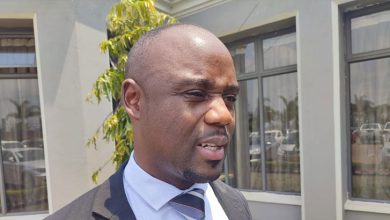
Political analyst Mavuto Bamusi was more scathing in his critique, branding the outgoing Parliament as one that left behind a “negative legacy.”
“There was a lot of greed. Look at how budgets were passed without debate, especially votes for State Residences, the Constituency Development Fund and MPs’ own benefits. All this happened with little accountability,” he said.
Bamusi also decried what he called “legislative corruption,” where some MPs allegedly demanded bribes or favours to pass certain laws.
Another political analyst Wonderful Mkhutche also critised the quality of debate and contribution in the House, saying the just-ended Parliament was full quantity over quality.
“With 229 members, the challenge of idle MPs is bound to grow. Numbers alone do not translate to productivity” he said.
On the issue of the Speaker’s perceived bias, Mkhutche offered a more moderate view.
Efforts to get responses from Gotani Hara and Leader of the House Richard Chimwendo Banda proved futile, with both not responding to requests for interviews for over two days.