Failure to predict the exact worst impact of a potentially devastating El Niño season remains “the most troubling aspect” of the looming climate threat, a report has warned.
International Food Policy Research Institute (Ifpri) said in a report titled ‘Preparing for El Niño under uncertainty’ that although typical rainfall patterns are understood, their “precise timing, location, and severity cannot be predicted with certainty”, complicating preparations in the process.
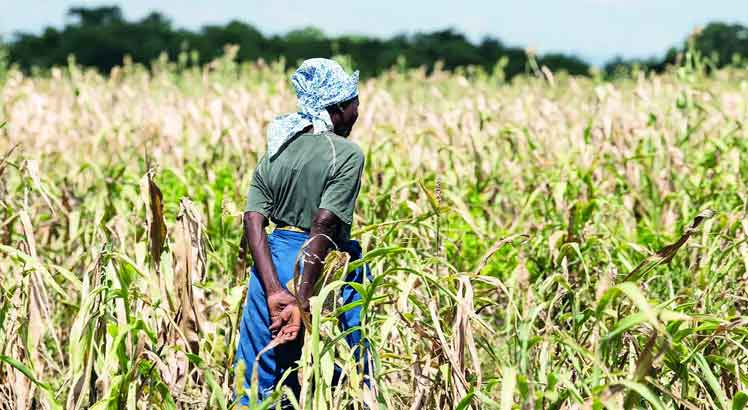
The 2026/27 rainy season is expected to bring heightened drought risks, particularly across southern Malawi, but climate scientists warn that knowing El Niño is coming does not necessarily mean knowing which communities will suffer most.
Compiled by Ifpri research fellow Jan Duchoslav and Famine Early Warning Systems Network (Fewsnet) regional scientist Tamuka Magadzire, the report notes that the uncertainty is particularly worrying because southern and central parts of Malawi face a 40 percent probability of below-normal rainfall.
Reads the report in part: “The North is likely to receive normal to above-normal rain fall, except Mzimba and parts of Rumphi. In most of the South and Centre, the onset of rain is expected to be delayed and warmer temperatures to increase crop water stress.
“These signals are sufficient to justify preparation, but not precise enough to determine in advance exactly where, when, and at what scale every intervention should be implemented.”
The researchers said the other concerning aspect is the forecasters’ failure to reliably predict which district will receive less rainfall than another or whether a dry spell will occur in a particular week.
Previous El Niño episodes were associated with below-trend food production approximately two-thirds of the time, while maize harvests declined by an average 22.5 percent in negatively affected years.
With the National El Niño Preparedness Plan facing a funding gap exceeding K300 billion, Ifpri urges authorities to establish clear response triggers, secure contingency financing and ensure assistance reaches communities when evidence identifies need.
Last week, the Department of Disaster Management Affairs (Dodma) said preparations are underway to ensure the country has adequate maize stocks and assistance for vulnerable households during the 2026/27 lean season that extends from October to March.
Dodma spokesperson Lucy Bandazi said although final allocations were still being assessed, Dodma put in place contingency measures, including cash transfers and alternative food distribution, to ensure vulnerable families receive assistance without disruption.
The preparation plans face a deficit of 72.32 percent and Bandazi said the deficit of K324 billion covers the wider El Niño response and not just the anticipated dry spells.
Earlier, Africa’s public health and policy leaders warned that El Niño has the potential to trigger a public health emergency in affected countries, a situation compounded by increasingly unpredictable and extreme climate change.
The Department of Climate Change and Meteorological Services projects a strong-to-very-strong El Niño episode that could persist into 2027, bringing below-normal rainfall across much of southern and central Malawi.