Eoconomist-cum politician Dalitso Kabambe has warned that the K10.9 trillion 2026/27 National Budget risks undermining both revenue performance and fiscal stability due to “contradictory and self-defeating policy choices”.
In an interview on Wednesday, he said the development economist said government’s projection of a sharp rise in domestic revenue to K6.45 trillion during the year has become unrealistic, arguing that recent fuel price increases, implemented without adjusting taxes and levies, are already suppressing consumption and weakening economic activity.

Kabambe, who served as Reserve Bank of Malawi (RBM) governor between 2017 and 2020 and is now UTM Party president, noted that higher fuel costs are driving up transport, food and production expenses, triggering a chain reaction that reduces household spending, business output, and ultimately tax collections.
He said: “When consumption falls, value added tax collapses. When imports decline, trade taxes weaken. When incomes shrink, pay-as-you earn and corporate taxes follow.
“Revenue stability will not come from higher rates; it will come from a functioning economy. This is the fatal flaw. Government is taxing an economy it is actively shrinking.”
Kabambe said as a consequence, the projected deficit of K2.85 trillion is likely to widen as revenues underperform and expenditure pressures rise due to inflation and social distress.
“What is presented as a manageable deficit is, in reality, the early stage of a self-reinforcing cycle of debt, inflation, and stagnation,” he warned.
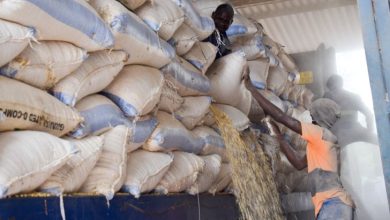
Kabambe has since called for urgent corrective measures, including targeted cash transfers for vulnerable households, strategic use of maize reserves to stabilise food prices, and a shift from increasing tax pressure to improving compliance and protecting the tax base.
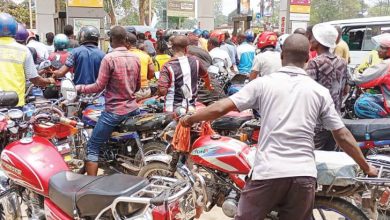
On April 1, the Malawi Energy Regulatory Authority (Mera) raised petrol pump price to K6 672 per litre and diesel to K6 687, an increase of about 34 percent, citing rising landed costs and in-transit expenses on the global market.
This is the third fuel pump price increase since October 2025 when the Democratic Progressive Party administration came to power after winning the September 16 2025 General Election. The first increase was 33 percent followed by a 41 percent adjustment in January.
Malawi Government has stuck to fuel levies in the fuel price build-up amid increasing calls from opposition parties, civil society organisations and economists to suspend or revise them following Wednesday’s 34 percent price increase.
Consumers Association of Malawi executive director John Kapito warned that the hike will hit consumers hard, describing it as unexpected and avoidable.
But Minister of Energy and Mining Jean Mathanga justified the levies in Parliament last Thursday, arguing that the road levy, rural electrification levy and under-recovery charge are essential for financing roads, expanding electricity access and settling arrears owed to fuel suppliers.
She warned that rolling them back would undermine road rehabilitation and long-term energy investments.
Minister of Finance, Economic Planning and Decentralisation Joseph Mwanamvekha also echoed the position, framing the issue as a fiscal constraint rather than a policy choice.