Ministry of Health and Sanitation is facing a K28.4 billion funding gap in its 2026/27 budget, a development that threatens its capacity to sustain medicine supplies, rehabilitate hospitals and provide other essential health services.
The shortfall represents five percent of the ministry’s total funding requirement of K586.56 billion against an approved budget of K558.08 billion.
In his presentation to Parliament’s Budget and Finance Committee, the ministry’s Principal Secretary Dan Namarika said the funding gap includes K15 billion for central hospital medicines, K3 billion for rehabilitation works at Queen Elizabeth Central Hospital (QECH) and Kamuzu Central Hospital (KCH), and K2 billion for medical referrals.
He said it also includes K2.5 billion for vaccines, K4.5 billion for service-level agreements (SLAs), K1 billion for nutrition commodities and K384 million for sanitation and hygiene.
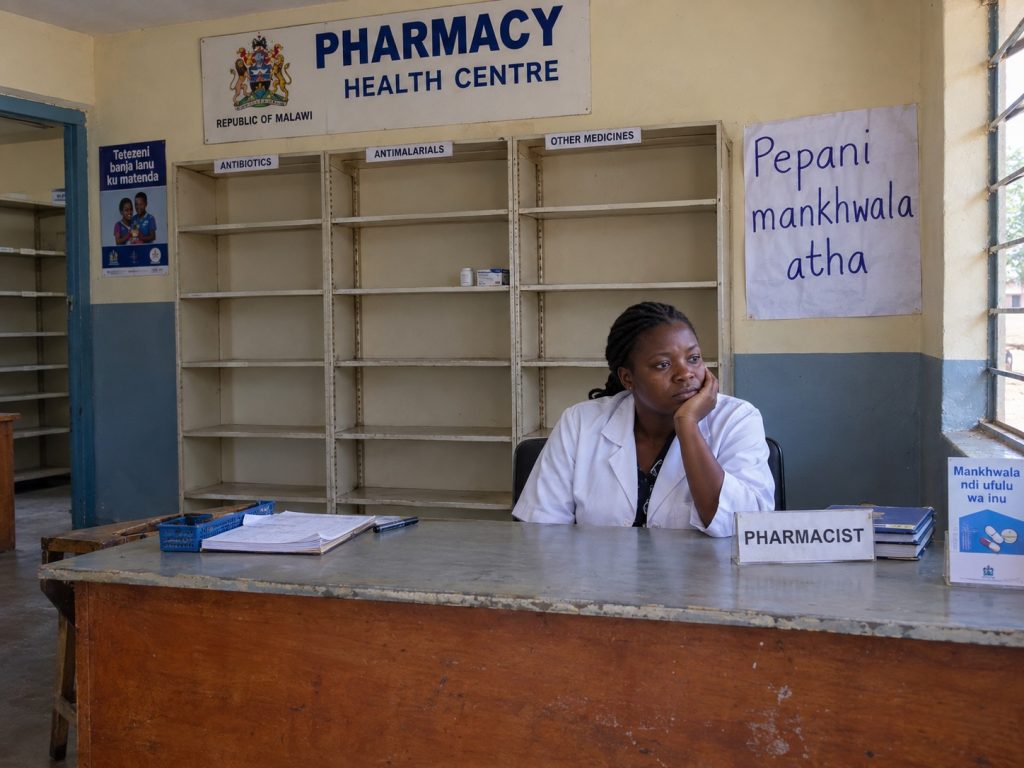
Said Namarika: “The K15 billion shortfall for central hospital medicines is particularly concerning. The allocation for central hospital medicines is K58 billion against the required K73 billion. There are critical funding needs at Lion Hospital and the Cancer Centre.”
In his presentation, he further warned that the shortfall poses a high risk of shortages of life-saving and cancer medicines, potentially disrupting specialised healthcare services and increasing costs for patients.
Namarika observed that although the ministry had received close to 70 percent of its approved allocation, the available resources were becoming inadequate to meet operational demands.
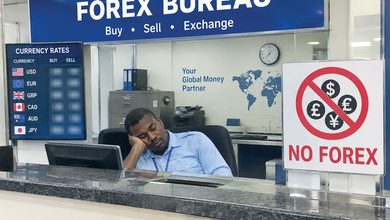
He said medicine stock levels at district councils were at about 40 percent, largely due to difficulties accessing foreign exchange.
“We are pleased that the Ministry of Finance and the Reserve Bank have committed to allocating dollars to Central Medical Stores Trust procurement. We have also reached an agreement with UNDP to support us on forex for medicines,” said Namarika.
He said the ministry expected medicine supply levels to improve in the coming weeks following the interventions.
Budget and Finance Committee of Parliament chairperson Sosten Gwengwe said the ministry’s challenge was not necessarily delayed disbursements but inadequate allocations made during the budgeting process.
He said the shortfall was creating difficult choices for health authorities, particularly when medicine budgets were exhausted before the end of the financial year.
“It starts posing a very difficult ethical question on whether to save money or to save lives. If the drug money is finished seven months down the line, what do we do for the remaining five months?” said Gwengwe.