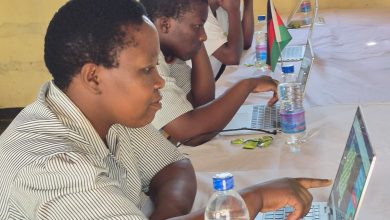
The African Union (AU) should lead a continental effort to rescue and repatriate Malawians and other Africans trafficked into online scam compounds in Myanmar, a South African human rights body has urged.
South Africa’s Human Rights Association (HRA) says it is compiling evidence for submission to the AU and other regional and international bodies, seeking a coordinated response to what it describes as industrial-scale forced labour and online fraud operations.
HRA chief executive officer Saad Kassis-Mohamed told Weekend Nation last week that the submission would propose a continental mechanism for identifying victims, coordinating consular assistance, investigating recruitment networks and securing their safe return.
“We want the AU to coordinate protection and consular assistance, investigate recruitment networks and facilitate the safe return of not just Malawians but all Africans trapped in forced labour operations across Southeast Asia,” he said.
The call comes amid growing reports of Africans being lured by fake overseas job offers before being trafficked into scam compounds, where they are allegedly forced to conduct online fraud under surveillance, violence and coercion.
Malawians are among those documented as victims of the scam-compound system operating along Myanmar’s border with Thailand.
Kassis-Mohamed said the proposed submission would also recommend stronger cooperation between African governments, law-enforcement agencies, international organisations and authorities in Southeast Asia.
“The purpose of the submission is not only to raise concern, but to support victim identification, coordinated consular assistance, investigation of recruitment networks and the safe repatriation of African nationals,” he said.
Hidden scale
Although three Malawian cases have been publicly reported, HRA cautions against treating the figure as a measure of the full extent of the problem.
Kassis-Mohamed said trafficking networks deliberately conceal their operations by confiscating victims’ passports and mobile phones and restricting communication with relatives.
Some families, he said, are also reluctant to report cases publicly for fear of compromising rescue efforts or putting their relatives at greater risk.
HRA, therefore, does not want to speculate on the number of Malawians trapped in Myanmar until it completes its review of documented cases, survivor testimonies, family accounts and wider regional trafficking trends.
“The absence of a verified national total should not be interpreted as evidence that only the publicly reported cases exist. It instead reflects the secrecy of these networks and the lack of a coordinated system for identifying African victims,” he said.
A continental mechanism, Kassis-Mohamed said, would enable African countries to pool diplomatic and consular resources, particularly where individual countries have little or no diplomatic representation in Southeast Asia.
Fake jobs, forced fraud
HRA is also documenting how traffickers target African job-seekers with seemingly legitimate employment opportunities.
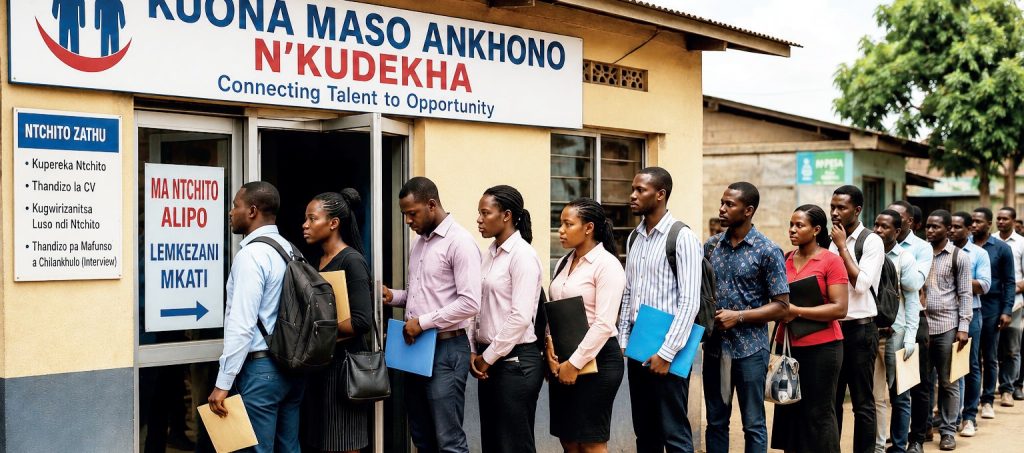
Victims are allegedly offered jobs in customer service, information technology, digital marketing, cryptocurrency, data entry and online support. Some receive employment contracts and undergo online interviews, believing they are travelling to countries such as Thailand before being transported to Myanmar.
The organisation is urging African governments to strengthen verification of overseas job advertisements, expand public awareness campaigns, establish accessible reporting channels for families and tighten scrutiny of recruitment agents, travel facilitators and cross-border trafficking networks.
Kassis-Mohamed said survivors should be treated as victims and crucial witnesses, rather than criminals, because many were coerced into participating in online fraud.
“This crisis must be understood as a major human trafficking and forced labour emergency rather than simply as a cybercrime problem,” he said.
“No African national trafficked into forced labour on another continent should be abandoned because their country has no embassy nearby or lacks the capacity to reach them. This is precisely where the African Union must act.”
‘Government must act’
National Police deputy spokesperson Alfred Chimthere had not responded to Weekend Nation’s inquiries by press time while Ministry of Foreign Affairs spokesperson Charles Nkhalamba said he needed to consult other institutions before providing a response.
International Organisation for Migration (IOM) Malawi officer-in-charge Alina Zalewski said trafficking into online scam compounds had become one of the fastest-growing forms of organised crime globally.
She said IOM supports governments with prevention, victim identification and protection, as well as cross-border cooperation.
“In Malawi, IOM works closely with the government and national stakeholders to strengthen efforts to prevent trafficking in persons, support vulnerable migrants, and promote safe and informed migration,” she said.
Zalewski said IOM had assisted survivors trafficked into scam centres in Southeast Asia and continued to work with governments and partners on the issue.
However, she stressed that primary responsibility for consular protection and repatriation rests with national authorities.
For identified survivors, IOM can assist with needs assessments, temporary protection, travel documentation, safe return and reintegration.
Centre for Human Rights and Rehabilitation executive director Michael Kaiyatsa said government had a duty to protect Malawians both at home and abroad, but its response to trafficking cases remained inadequate.
He said reports of Malawians trapped in Southeast Asia and the Middle East exposed weaknesses in systems designed to prevent trafficking and protect citizens overseas.
“While trafficking is a transnational crime that no single country can eliminate on its own, Malawi should have stronger measures to prevent people from falling victim to these criminal networks,” said Kaiyatsa, who is also chairperson of the Human Rights Defenders Coalition.
He called for greater public awareness of fake overseas job offers, tighter regulation of recruitment agencies and stronger border controls.
“This situation should also serve as a wake-up call. Human trafficking is no longer limited to sexual exploitation or domestic labour. Criminal syndicates are now using victims in online scam operations under brutal conditions. Malawi must adapt its response to these emerging forms of trafficking,” Kaiyatsa said.