Ministry of Health and Sanitation says all 12 faulty dialysis machines at Kamuzu Central Hospital (KCH) in Lilongwe have been repaired and patients are now accessing services after enduring almost a month of no service.
The ministry’s spokesperson Adrian Chikumbe said in an interview yesterday that the machines were serviced by a South African supplier and that those at Queen Elizabeth Central Hospital in Blantyre would also be serviced and expected to resume service by today.
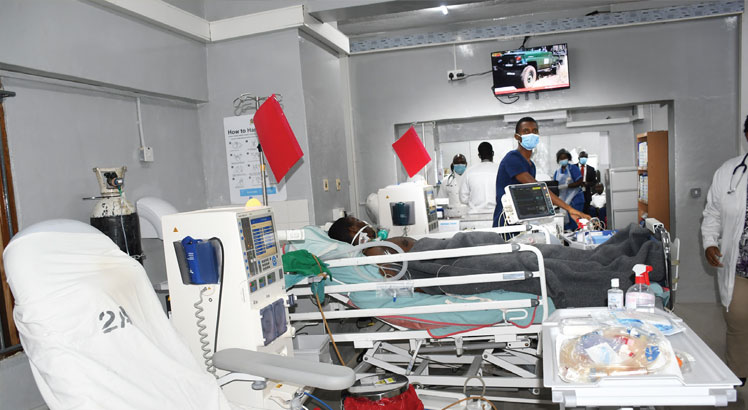
“The machines that were down at Kamuzu Central Hospital have been serviced and dialysis services have resumed. The ministry is committed to ensuring that patients receive timely assistance,” he said.
The breakdown of the machines at KCH forced the ministry to refer kidney condition patients to private hospitals in Lilongwe and Blantyre.
The closure of the KCH dialysis unit followed contractual disputes between the Ministry of Health and Sanitation and the supplier. The matter was referred to the Office of the Attorney General for legal review.
In an interview yesterday, Attorney General Frank Mbeta confirmed providing guidance to the ministry, but declined to disclose details.
“The Ministry of Health sought legal guidance, which I have provided. It would be premature to disclose the advice at this stage,” he said.
Kidney Foundation Association board chairperson Samuel Kumwanje confirmed that services resumed at KCH on Wednesday and urged authorities to find a lasting solution.
“Patients were struggling to access services due to limited space in private hospitals. We appreciate the intervention, but a long-term solution is needed,” he said.
Health rights activist Maziko Matemba echoed the call, stressing the need for regular servicing of dialysis machines to avoid future disruptions.
During the shutdown, government spent about K154 million to cover dialysis for 64 patients at private facilities, at a cost of K300 000 per session, twice a week.
Meanwhile, the dialysis unit at QECH serves about 100 patients per month.