“When kidneys fail, you find yourself just a medical bill away from poverty,” says a kidney disease patient who gets dialysis at a private hospital. In today’s entry of special report, our Staff Writer JAMES CHAVULA tracks the cost of kidney care within the country and abroad:
Kidney care hurts ailing economy
Glory Mkorongo was supervising construction works at Queen Elizabeth Central Hospital (QECH)in Blantyre when he suddenly started vomiting blood on May 20 2014—polling day. Three months later, doctors would discover that his kidneys had collapsed and he needed dialysis thrice weekly, but the hospital had a long waitlist.
The contractor recounts: “I didn’t vote because I’d fainted. Some mistook it for withdrawal syndrome because I was drinking heavily, but it turned out it was a chronic kidney disease. My family was worried, but I’m a fighter.”
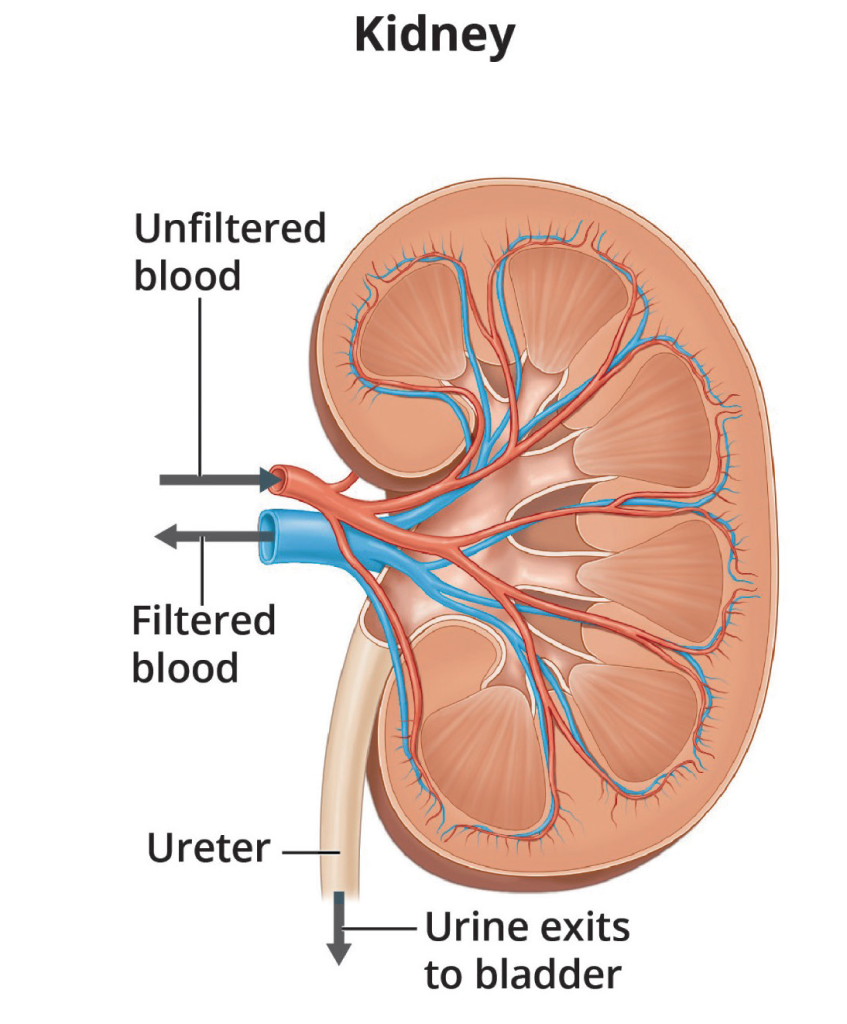
Today, Mkorongo survives on dialysis as the country does not provide a long-term solution—kidney transplant.
Every Monday and Thursday, he spends four hours on machines that remove deadly impurities from blood.
“My medical insurance pays K230 000 per session,” he says, flashing a medical aid card. “Without which, I’d be in the grave”.
Mkorongo only gets dialysis twice a week at Mwaiwathu Private Hospital in Blantyre.
Treatable noncomunicable diseases are the main cause of premature deaths.
The World Health Organisation ranks kidney disorders the eighth most common killer, likely to hit fifth by 2040.
However, dialysis remains scarce in Malawi’s public hospitals that currently treat over 400 kidney disorder patients, according to the Ministry of Health.
The 17 State-owned dialysis machines are confined to QECH and Kamuzu Central Hospital in Lilongwe.
Only 60 patients leapfrog the lengthy waiting list, getting dialysis twice a week.
Even fewer, especially politicians and celebrities, get State-sponsored treatment abroad as long hospital trips make many patients poorer.
Chronic kidney disease patients left either weak or jobless pay hefty bills in private
clinics amid deadly delays in public facilities.
Mkorongo narrates: “As citizens, we pay tax for basic services, but I tried in vain to get a dialysis slot at QECH. It’s a nightmare to wait until someone dies. I gave up.”
His medical insurance coughs K24.8 million a year, enough to buy a basic dialysis machine worth about $10 000 in China.
The yearly spending on 20 patients exceeds the $200 000 (about K350.2 million) needed for a heavy-duty machine used in intensive care units.
Mkorongo has upgraded to VIP premier medical insurance to avoid shortfalls paid out-of-pocket.
Still, he has had to sell three vehicles to sustain the K120 000-per-month medical aid, buy costly medicines and provide for his family while his productivity wanes.
“When kidneys fail, you find yourself just a medical bill away from poverty. The annual cost, which comes to about K40 million, eats into my business and family income, including school fees for children,” he says.
Mkorongo blames policymakers for neglecting kidney care because “they usually fly out access the services they deny ordinary citizens”.
The worst losers are the poor. About 75 percent of Malawians live below the poverty line of $2.15 a day, with half trapped in
abject conditions. In June, 10 percent more woke up below the poverty line as the daily threshold adjusted to $3 (about K 5 253).
“Government and its partners can save a lot of lives and scarce forex by investing in dialysis machines in just eight to ten strategic hospitals nationwide,” he says.
Secretary for Health Dr Samson Mndolo concurs that “we need to build local capacity”.
“We are all potential patients. We must create a strong system. Covid taught us that the world can shut down!” he declares.
However, he says dialysis is supposed to be offered by four central hospitals only.
“Mzuzu will start very soon, meaning three of the four central hospitals will have dialysis services… [but] dialysis is supposed to be a stop gap—a temporary measure—while awaiting kidney transplant.
The Ministry of Health has hired a specialist to domesticate kidney transplant services, he disclosed.
Versatile dramatist and marketer Emmanuel Maliro sought treatment in India after doctors discovered the collapse of his sole kidney.

$12 000. I Chrispine Msiska
He narrates: “My treatment alone cost me around $12 000 [about K21 million], excluding air tickets and accommodation.
“I later received a $45 000 [about K78.7 million] quotation for a kidney transplant, but the sum didn’t include the donor’s expenses and pre-transplant check-ups on kidney function, liver, urine and blood, which are conducted by various specialists. That’s how much we can save.”
During his hospital trip, Maliro joined a chat group where Malawians seeking medical help in India share tips and experiences.
“As a marketer, I saw opportunities in our shared problems. I asked myself: How much forex would we be saving if we had top-of-the-range hospitals in Malawi that treated different critical conditions? Clearly, each one of us went to India with thousands of dollars Malawi needs, but who am I?” he asks.
But Mkorongo says every life matters, so investing in quality kidney care for all makes sense to patients dying helplessly while waiting for prescribed dialysis.