President Peter Mutharika’s administration has received timely counsel from Malawi Law Society (MLS) which has highlighted rule of law, judicial independence and anti-corruption drive as critical pillars of democratic and constitutional order.
In a post-election assessment statement issued yesterday, MLS said the State should actively cultivate and safeguard an environment where the rule of law can flourish through tangible institutional support and responsible governance.
governance. | Ndende
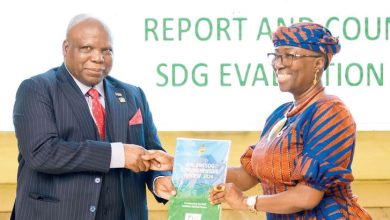
“The State bears a positive obligation to provide adequate support to agencies mandated to uphold and promote the rule of law,” reads the MLS statement co-signed by president Davis Njobvu and honorary secretary Francis M’mame.
Institutions central to the country’s accountability framework include the Anti-Corruption Bureau (ACB), Financial Intelligence Authority (FIA), Malawi Police Service, Malawi Defence Force (MDF) and the Judiciary.
But MLS has expressed concern about persistent disparities in budgetary allocations, noting that while the Executive and Legislature receive substantial funding, the Judiciary remains severely underfunded.
“The Judiciary remains critically underfunded and is, in practice, treated as a mere government department rather than as a constitutionally distinct arm of government,” further reads the 12-page statement.
Chief Justice Rizine Mzikamanda is on record as having stated that the Judiciary has consistently received less than one percent of the national budget against its demand of five percent to meet operational needs.
In an apparent direct reference to Mzikamanda’s lamentation, MLS said such budgetary neglect undermines operational independence and effectiveness and that they could be perceived as a systematic attempt to weaken or constrain the accountability institutions.
The society also expressed dismay at the appointment of individuals to critical offices without clearing allegations of corruption or criminal conduct, describing the trend as a dangerous precedent and demoralising.
While acknowledging the principle of presumption of innocence until proven guilty, MLS said such appointments erode public trust in government’s commitment to integrity and the rule of law.
MLS has also condemned the recruitment of politically connected individuals into public institutions at the expense of qualified, experienced and dedicated civil servants.
“The society is aware of recruitment of party loyalists and relatives in public positions without due regard to merit, frustrating patriotic public servants,” MLS said.
It added that nepotism and corruption have spread across sectors, including construction, education, procurement, and agriculture, compromising service delivery and professionalism.
The society also urged government to ensure all public appointments and removals comply with legal and ethical standards, treating dismissed officers with dignity and fairness.
It further condemned what it called the State’s deliberate efforts to suffocate ACB through selective arrests and political interference in appointments.
The statement cited the arrest of former ACB director Martha Chizuma and the politically-influenced appointment of her successor as evidence of growing Executive overreach.
Chief Secretary to the Government Justin Saidi was not available for comment on the issues.
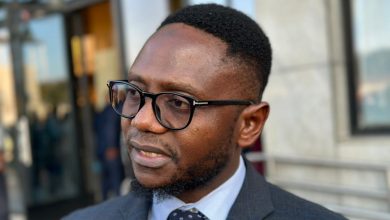
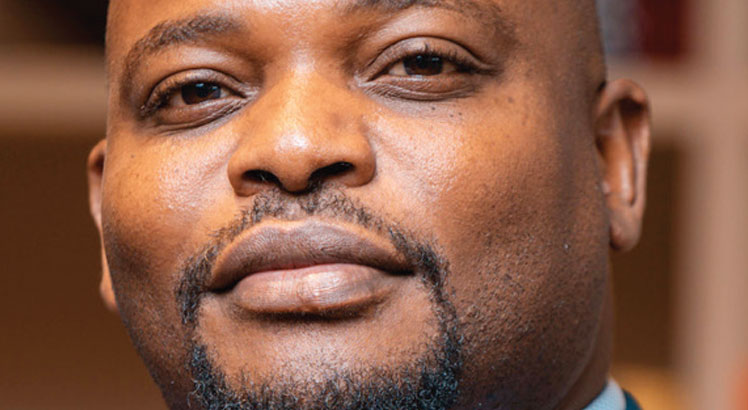
But South Africa-based Malawian legal and governance expert Francis Nyarai Ndende said judicial independence and a depoliticised civil service are twin pillars sustaining checks and balances in any democracy.
“If leadership models integrity and protects institutional autonomy, Malawi can convert electoral legitimacy into accountable governance and inclusive development,” he said.
In a separate interview, governance commentator Undule Mwakasungula said MLS had raised longstanding concerns that mirror Malawi’s chronic governance and institutional weaknesses.
Governance expert and political scientist George Chaima also described the MLS stance as a constructive partnership designed to guide the government towards fulfilling its constitutional responsibilities.
Mutharika reclaimed the presidency he lost in the court-sanctioned Fresh Presidential Election in 2020 after amassing 3 035 249 votes against 1 765 170 for then incumbent Lazarus Chakwera of Malawi Congress Party to secure 56.8 percent of the vote and cross the 50-percent-plus-one threshold required for an outright win.