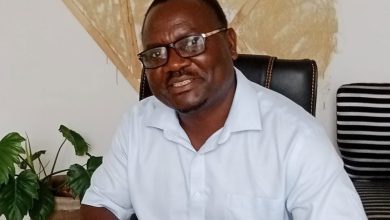
The Centre for Multiparty Democracy (CMD) has been holding regional meetings with political parties to facilitate healing and learning from the September 16 2025 General Election. The regional stock-take seeks to identify challenges and pave the way for the possible electoral reforms. In this interview, Our News Analyst LUCKY MKANDAWIRE spoke to CMD executive director Boniface Chibwana about the sessions and their impact on electoral reforms. Excerpts:

How important are the postmortem sessions that you have been holding across the country?
The healing and post-election sessions provided a platform for political parties’ representatives to share their experience, successes and challenges from the 2025 electoral cycle. It provided room for improvement in the next electoral cycle as far as participatory elections are concerned.
What key challenges and proposed electoral reforms emerged from the healing sessions?
There were four key reform proposals that emerged from the post-election healing sessions.
Firstly, it was considered that we should have a legal framework that guides the use of election technology such as the election management devices [EMDs] in the electoral process. Political parties believe the law needs to provide guidance on the use of the machines to bring sanity in the electoral cycle and prevent the tensions witnessed in the 2025 election when the use of machines raised trust issues as if the Malawi Electoral Commission did not do enough consultations with major electoral stakeholders.
Secondly, there is a need to enforce political party and campaign financing laws to eliminate the distribution of handouts. Political parties believe that the regulation of campaign financing will provide a fair playing ground for political actors and enhance issue-based politics. The Political Parties Act requires political parties to disclose their funding sources and this is seldom done, except for the public financing for political parties that win at least 10 percent of the votes cast. This is also another area of contention as there are some thoughts that the 10 percent threshold is far too high and maybe it is time to consider extending public funds to all political parties represented in Parliament.
Thirdly, there is a need to reform the State-owned Malawi Broadcasting Corporation (MBC) to be a genuinely independent public institution that provides fair and equal coverage to the public and political parties. It is high time to relook at the Communications Act, which regulates the operations of the public broadcaster and public communication.
Lastly, the area that needs serious reform if we mean inclusive and participatory election is meaningful involvement of women in elections starting from within political parties and then coming to national elected positions. There is a need for honest discussions if we are to surmount the numerous challenges in our political system to do with women participation.
How have these healing sessions helped reduce post-election tensions?
They have greatly contributed to reduction in tensions in the post-election period as they have provided a safety valve for political parties and their membership. The sessions provided room for political party representatives to share their concerns, hence healing the wounds emanating from the election. Remember each political party that contested in the just ended general election lost in one way or other at local government and parliamentary levels. If you also look at the insurgence of independent MPs, it is clear that political parties have a mammoth task to achieve tenets of transparency and accountability. It is always important to provide room to political parties to discuss these issues and devise solutions. This helped defuse tensions.
CMD utilised the sessions to encourage political parties to focus on working on the gaps noted in the 2025 electoral cycle and to continue coexisting peacefully. These cross-party sessions brought big relief to political parties because some of the internal challenges were discussed publicly, which offered real healing to parties that once felt that some challenges were exclusive to them.
From your assessment, have political parties taken responsibility for their own failures or blaming the system?
Political parties have taken responsibility for what they could do better while highlighting the gaps in the electoral system. They observed that it is mostly the ruling parties that influence and compromise how the public broadcaster provides coverage to other political parties. On the other hand, they have taken responsibility for the gaps in how they identify parliamentary and local government candidates. Their representatives indicated that to a larger extent, primary elections were not conducted in a free, fair and transparent manner. However, on the issue of meaningful participation of women in politics there are still very diverse ideas and this is an area that we need robust engagement.
How will CMD ensure these healing sessions lead to real electoral reforms, not just a talk show?
CMD will share the outcomes of the post-election healing sessions with key stakeholders and responsible institutions to draw tangible lessons moving forward. This will form a basis for continued engagement on the issues raised by the political parties and devise ways for improvement. CMD will continue engaging political parties and its membership to advocate for electoral reforms on the gaps identified. For example, lack of meaningful engagement of women in politics has been a major outcry during every election, so we need to do unusual things to overcome systemic, structural and cultural challenges that impede women participation in all spheres of our society. The proponents of quota or preferential treatment for women does not mean wheelbarrowing women to decision-making positions, but it is a major step to address the gap. There is a great need for stakeholder engagement on this topic to come up with a common intervention just as some progressive countries in Africa have done to ensure equal representation of women and men in elected positions. CMD has included the proposed electoral reforms as part of its programming so that they are given prominence and come to fruition in the 2030 General Election.