Minister of Natural Resources Patricia Wiskes on Wednesday said the coming of the UN-financed Systematic Observations Financing Facility (Soff) Project will enable the Department of Climate Change and Meteorological Services (DCCMS) to come up with more accurate weather forecasts, as the country continues to face droughts, flooding and extreme heats.
Speaking at the Sunbird Mount Soche Hotel in Blantyre during the launch of the five-year $3.8 million (K6.6 billion) project, Wiskes said Malawi needs timely forecasts to avoid extreme weather shocks like droughts and flooding, adding that it is important for such information to be used by ‘every child, every farmer and every community’.
The Soff investment will upgrade the country’s four existing surface land stations and install a new upper air station to enable Malawi access global weather information.
Said Wiskes: “The recurring pattern of floods and droughts continues to threaten livelihoods, food security and the resilience of communities across the country…. Demand for climate information has increased since 2022, reflecting growing public trust in the services provided by the DCCMS.”
She added that the investment will enhance the country’s meteorological infrastructure like weather stations and provide modern technologies to ensure that reliable weather information reaches every Malawian farmer, disaster responders and policy makers.”
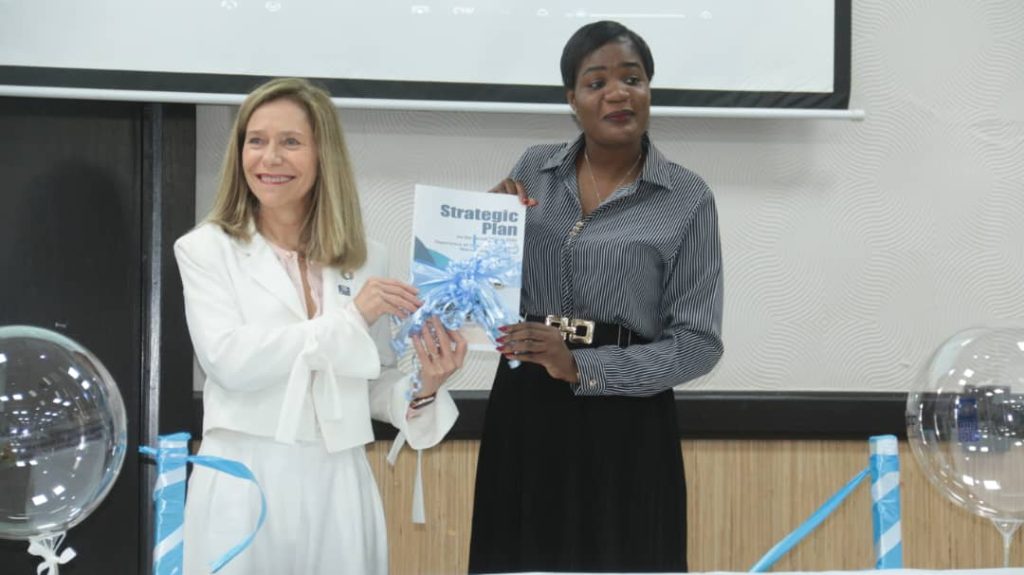
During the event, the Minister also presided over the launch of the Early Warning for All (EW4A) Initiative and the DCCMS strategic plan. With the EW4A, Malawi joins five other African countries that have already rolled out the programme, which is powered by the World Meteorological Office (WMO), the specialized and authoritative United Nations agency on weather, climate and water.
UNDP country resident Fenella Frost concurred with Wiskes, saying Malawi’s exposure to extreme weather makes early warning systems essential. She emphasized the importance of impact, coordination, and sustainability in rolling out meteorological services.
“Improved early warning can save six times more lives and property than communities without them. Such systems also support Malawi’s agro-based economy,” she observed.
While saying since the year 2000, every year, an average of 100 000 Malawians are affected by floods and 1.5 million by drought, WMO Secretary General Celeste Saulo said while the project will be implemented by the UNDP, the meteorological offices of Norway and Iceland will be peer advisors for the Malawi Government.
“The initiatives launched today mark a significant step forward, but their success depends on our collective commitment. Together, let us turn science into decisions and warnings into action so that no one in Malawi is left unprotected from climate and weather hazards,” she said.