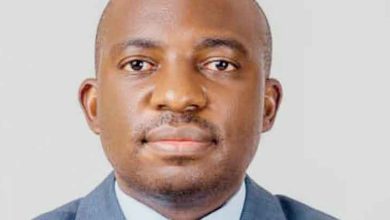
Geologist Ignatius Kamwanje says the addition of Malawi’s Songwe Hill Rare Earth Project to the European Eunion (EU) Commission list of priority projects is a sign that the country’s minerals are highly demanded globally.
He was reacting to the listing of the project under the EU Critical Raw Materials Act, which added Mkango Resources Limited’s rare earths project in Phalombe District alongside other 12 projects that focus on critical battery materials.

In a statement, the EU Commission said: “Combined with the three strategic projects in the EU that cover the processing of rare earths, these additional strategic projects will be able to increase the EU’s security of supply of rare earths.”
Kamwanje, in an interview on Thursday, said the development will boost investor confidence on the mining project, which already signed a mining development agreement (MDA) with the Malawi Government in July last year.
“With global geopolitical dynamics, Western countries are shifting to Africa in terms of supply of raw materials from critical minerals such as rare earth and niobium, whose supply were initially dominated by China and Russia,” said Kamwanje.
He said the EU provides a stable and strong market for Malawi’s rare earth projects, adding: “I believe with this development, it will enable the company to easily raise funds for construction of the mine.”
In a statement, Mkango Resources Limited said the move is beneficial to the project, which has convinced EU as one of the critical raw material suppliers to its vital industry amid geopolitical-induced shift of supply chain.
Reads the statement in part: “Songwe has been assessed by the EU to be highly important to the EU’s supply security of strategic raw materials and possesses viable technical feasibility within reasonable timeframes.”
Songwe Hill is one of the few rare earths projects to have progressed to the definitive feasibility stage, with an expected mine life of 18 years, producing a 55 percent mixed rare earth carbonate, yielding 1 953 tonnes per annum.
According to the MDA that Lancaster signed, the Malawi Government owns 10 percent shareholding in the firm. Other with key components include five percent royalty of gross revenue, 30 percent corporate tax rate, 10 years stability period, 10 years tax loss carry forward and community development expenditure allowable tax deduction.
Apart from Songwe, other projects that have just been added on the EU list include projects that focus on critical battery materials such as lithium, nickel, cobalt, manganese and graphite.
During the opening this year’s Malawi Mining investment Forum in April, President Lazarus Chakwera faulted the information gap on key mining projects, stressing that there is need for transparent handling of any activities involved in the sector.
Mining, which is part of the agriculture, tourism, mining and manufacturing strategy, contributes about one percent to the country’s gross domestic product.
Before the closure of Kayelekera Mine in 2014, mining used to contribute about 10 percent to the gross domestic product.