National Identity (ID) cards will no longer expire, government has announced.
Minister of Homeland Security Peter Mukhito said yesterday in Lilongwe during the launch of Nzika Digital ID that the reform fulfils President Peter Mutharika’s commitment in the 2026/27 State of the Nation Address.
“This reform recognises a simple but fundamental principle: A person’s identity does not expire,” Mukhito said.
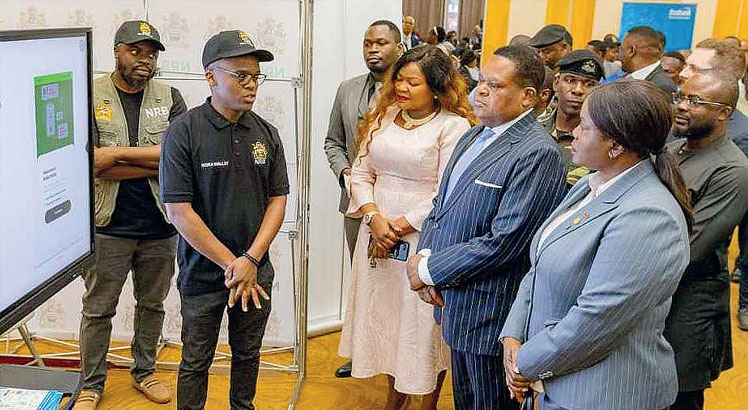
He said verification will now rely on real-time biometrics against the National Registration Bureau (NRB) database, adding that the Nzika Digital ID, allows citizens to present verified credentials through the Nzika Wallet. He stressed it complements, but does not replace, the physical card.
“The Nzika Wallet does not replace the physical National ID card, but complements it,” he said.
Stressing that citizens can use it to access services before receiving a physical card, the minister explained that it will ease bank verification, strengthen social protection and improve service delivery.
But cybersecurity expert Marc Kampira, founder and CEO of Dream Code Limited, warned that biometric data needs special protection as fingerprints cannot be changed like passwords if compromised.
He urged government to minimise data shared with providers, adopt strong encryption, secure storage, multi-factor authentication and a freeze/revoke function for lost phones.
He called for a “zero trust” approach where providers receive only necessary verification, not direct access to the NRB database, warning a breach could destroy public confidence.
Mukhito also cautioned against leaving behind people without smartphones, rural communities, older persons and persons with disabilities.
“There must be no shortcuts with personal data, no compromise on cybersecurity and no tolerance for abuse of citizens’ information,” he said.
United Nations (UN) Resident Coordinator Rebecca Adda-Dontoh echoed the warning, saying legal identity is essential infrastructure and no one should be excluded due to lack of smartphone, electricity or digital skills. She stressed the need for physical credentials, assisted services, offline options, and safeguards for correction and remedy.
Meanwhile, Mukhito said government has registered 6.6 million children in the civil registration system and targets an additional 3.4 million by year-end. Over four million births have been registered since 2015, while four of seven phases of the National Birth Registration Campaign have registered about four million previously unregistered children. Three phases covering 10 districts remain.
NRB Principal Secretary Patrick Machika said over 22 000 Malawians have already obtained the Nzika Wallet, which will eventually include digital birth and marriage certificates.
Minister of Information and Communications Technology Shadric Namalomba said: “Putting a form online does not necessarily make a service digital. Creating a website does not necessarily make government digital.”
He said the national ID system, with over 13.5 million people registered, representing about 99 percent of citizens aged 16 and above, provides a foundation for digital public services focused on reducing travel and duplication.
The wallet was launched under the theme: My Identity. My Shadow. Never Apart.