Rising transport costs, driven by persistent fuel shortages, are putting additional pressure on household budgets in Malawi, pushing the cost of living up by 3.5 percent in October 2026, Employers Consultative Association of Malawi (Ecam) data shows.
The data, published in the October 2026 Cost of Living Analysis shows that monthly transport expenditure for an average household of six increased by 12.5 percent, from K160 000 in September to K180 000 in October.
The increase pushed the total monthly cost of living, including basic food and non-food requirements, from K1.15 million to K1.2 million, representing an additional K40 211 within one month.
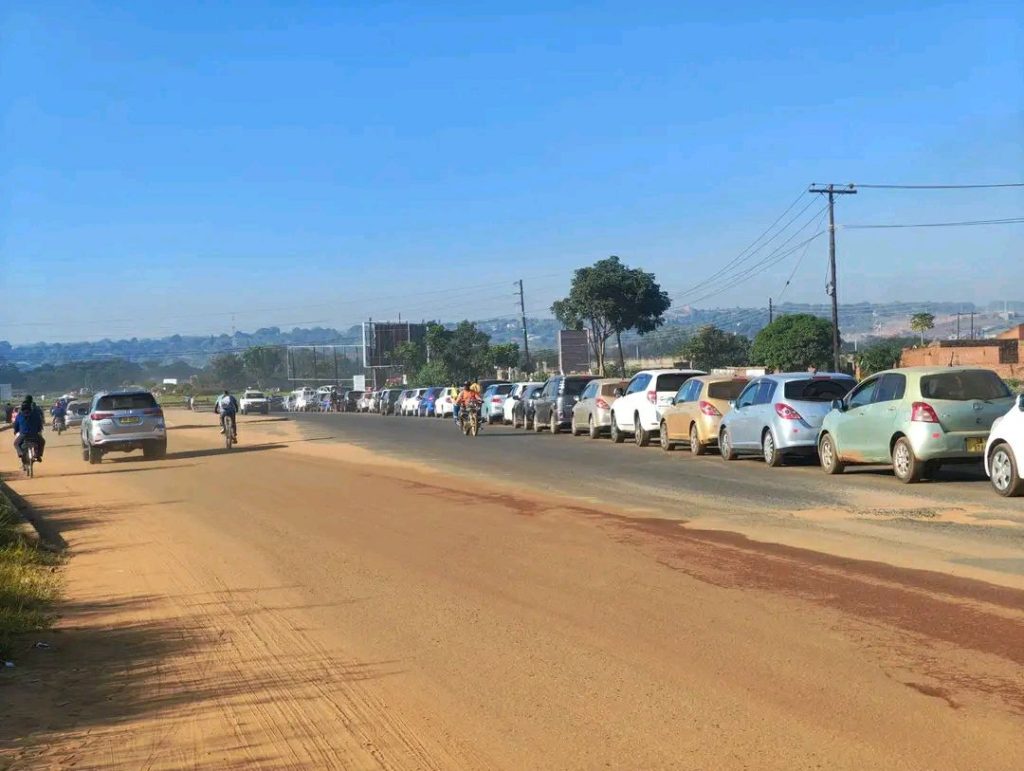
Reads the analysis in part: “Transport costs increased due to the fuel scarcity experienced since September 2026.”
“Food prices increased by an average of 2.73 percent from K666 499 in September 2026 to K684 700 in October 2026. On the other hand, the cost of non-food items increased by an average of 0.62 percent from K323 369 in September 2026 to K325 379 in October 2026.”
Excluding transport expenses, the cost of basic needs increased by a lower 2.04 percent, from K989 868 to K1.01 million.
During the review period, headline inflation decreased by 0.60 percentage points from 20 percent in August 2026 to 19.4 percent in September 2026.
Food inflation decreased from 13.4 percent in August 2026 to 12.5 percent in September 2026 while non-food inflation decreased by 0.30 percentage points from to 31.8 percent in August 2026 to 31.5 percent in September 2026.
Centre for Social Concern (SfSC) programme officer for economic governance Agnes Nyirongo observed that transport costs have been volatile because of foreign exchange scarcity, thereby stifling business growth.
She said: “Rising production and transport costs are being passed on to consumers, further fuelling inflation in a vicious cycle.”
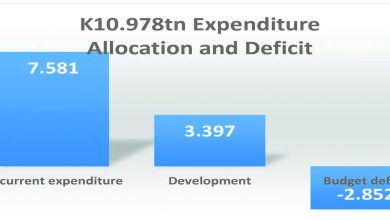
Minister of Finance, Economic Planning and Decentralisation Joseph Mwanamvekha, presenting the K10.978 trillion 2026/27 National Budget, projected inflation to decline to 15 percent by March 2027, largely supported by easing food inflation and improved macroeconomic conditions.
Meanwhile, the Reserve Bank of Malawi projects annual average inflation of 22 percent in 2026, down from 28.4 percent in 2025.