Beer is poured on to the ground with a black cow slaughtered before the living ask the dead for help.
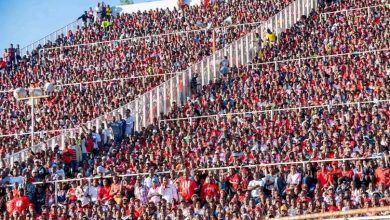
This is the M’khwisulo ritual, the spirit honouring prayer for peace and blessings. This is one of the activities that characterised this year’s Umhlangano wa Maseko Ngoni Cultural Festival, which started last Monday and ended on Saturday at Nkolimbo Ground in Ntcheu.
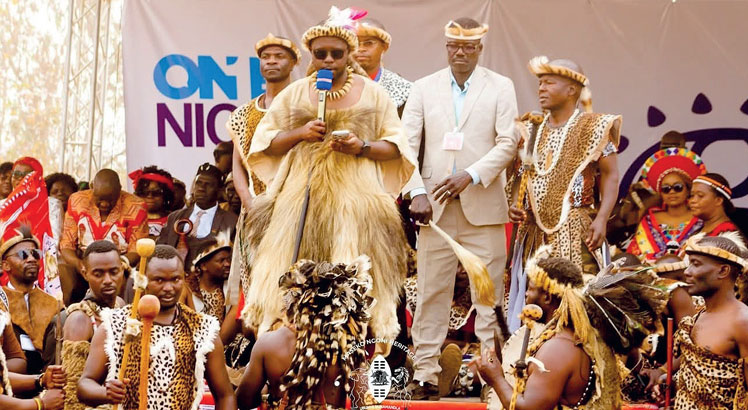
The ritual takes place at the tomb of Gomani Chikuse, the first Gomani Inkosi ya Makosi, where members of the royal family, traditional leaders and heritage elders gather for prayers and ancestral honour.
The rites also honoured souls of departed members of the Ngoni family, including Inkosi Champiti IV and Edith Thembakako Gomani Maseko, aunt to Gomani V and widow of the late Champiti IV.
The choice of Nkolimbo is itself linked to that history.
Gomani Chikuse is buried there after he was killed by British colonial forces in 1891 after resisting colonial rule.
His tomb has consequently become an important place for remembering the history of the Maseko Ngoni.
A cow is slaughtered and masese, an opaque beer is prepared before being taken to the tomb.
The beer is poured and left to percolate as an offering to Gomani Maseko, who was central to the Ngoni resistance against colonial rule in 1896.
Maseko Ngoni Heritage Trust secretary general Kandi Padambo Ndau says the offering is meant to seek help from the spirit of Gomani I.
“We come to request his help. The spirit will drink and eat. The ceremony takes place at Nkolimbo Village because Gomani Chikuse was brutally shot between Dombole and Chiole close to Gongolo Ground in the area,” he said.
The choice of animal is also important.
Inkosi Makwangwala says the cow used for Kukhwisula must be black, without spots or discolouration.
The meat and beer form part of the ceremony, while the gathering at the tomb provides an opportunity to remember the history associated with Gomani Maseko and the resistance against colonial rule.
The story behind the gathering stretches back nearly two centuries.
The Maseko Ngoni have roots in present-day South Africa and left their homeland during the period of warfare and upheaval among communities in the Zululand region between 1815 and 1840.
After migrating northwards and overcoming several communities along the way, the Maseko Ngoni eventually settled in what became known as Lizwe la Zulu area, corruptly known as Lizulu in present-day Ntcheu.
It is this history that Umhlangano seeks to keep within reach of younger generations.
Revived and formalised by Gomani V in 2013 as an annual gathering, Umhlangano was conceived as a way of bringing Maseko Ngoni communities together and strengthening their connection with language, customs, symbols, rituals and values.