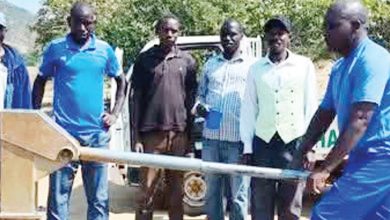
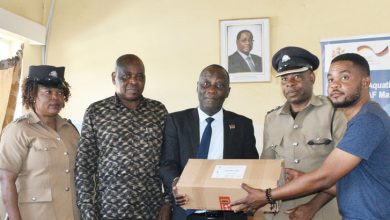
Picture this: Between January 1 2026 and February 10, Minister of Local Government and Rural Development Ben Phiri undertook roughly 17 trips to districts outside his working base, the capital Lilongwe, meeting officials in local government authorities (LGAs).
In some cases, he would traverse at least two councils in a day, according to The Nation’s tracking of Cabinet travel.
Phiri has not been alone. Transport and Public Works Minister Jappie Mhango has since January 6 2026 when he was assigned to this new portfolio undertaken at least 11 in-country trips outside the capital city.
During the same period, Minister of Lands, Housing and Urban Development Chimwemwe Chipungu has gone on six trips; Minister of Health Madalitso Chidumu Baloyi and her deputy Charles Chilambula have trekked a combined 11 times; Minister of Education, Science and Technology Bright Msaka and his deputy Francis Folley have a total of 10 trips between them.
Minister of Agriculture, Irrigation and Water Developement Roza Fatch Mbilizi and her deputy Thoko Tembo share nine trips between them.
Others that have undertaken multiple trips include Minister of Energy and Mining Jean Mathanga and Minister of Gender, Children, Disability and Social Welfare Mary Navicha while the rest of the Cabinet members have largely remained in the capital.
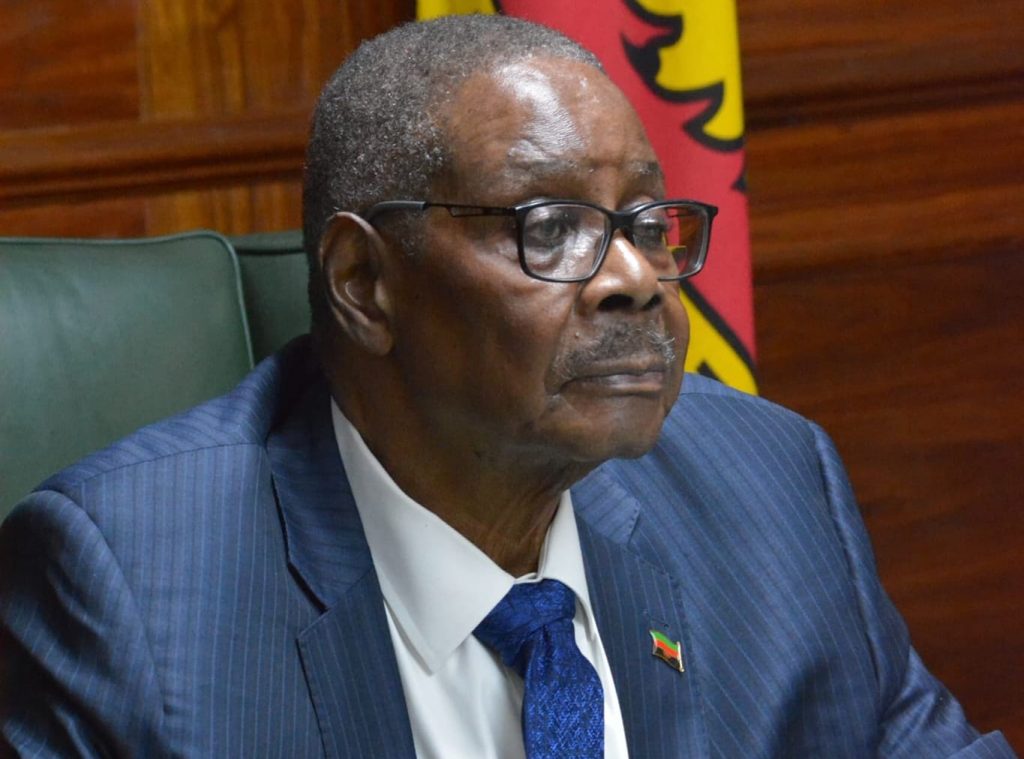
Meanwhile, a day after we sent a questionnaire to Chief Secretary Justin Saidi to explain why ministers are travelling so frequently when government is pursuing austerity measures and citizens suffer higher taxes, increased electricity and fuel prices, among other painful costs of living adjustments to help improve the nation’s fiscal health, a leaked memo from the top technocrat to the ministers and their deputies went viral.
The memo, dated February 11 2026—the same day we sent the questionnaire to Saidi—advised the ministers and their deputies that President Peter Mutharika—concerned with their recent increase in local travel—has ordered them to limit such sojourns to once a month.
While governance commentators yesterday hailed the presidential directive, some ministers we interviewed before the memo from the Office of the President and Cabinet (OPC) came out, justifying their sojourns.
On Wednesday, Mhango said in a written response that he has a duty to visit and appreciate the status of all road assets nationwide to put interventions where necessary.
He said: “The visits aren’t too many. Actually, I have not yet paid attention to the three modes of transport, that is, marine, rail and air which I will be undertaking soon. Transport is a hands-on sector where the minister must at all times be in action.
“Progress has been slow, but it must be appreciated that the previous regime simply abandoned the transport sector with very little investment, no wonder all our key roads have been destroyed.”
On his part, Phiri said in a written response that each council has unique issues requiring tailored solutions, as such, physical presence allowed his ministry to understand and address these specific challenges.
He said visiting councils ahead of the K5 billion Constituency Development Fund (CDF) disbursements in April was crucial to engage with the sectors and ensure they are well prepared to utilise the funds effectively.
Said Phiri: “It’s not about milking resources, but about driving progress and delivering results. Working culture cuts across all sectors, including messengers. If it was us inviting them at one place, some sectors would have been left out yet they also play a crucial role in effective service delivery.
“It would have been more expensive if we were to gather them in one place as compared to the small team visiting them. Virtual meetings wouldn’t have achieved the same level of engagement and understanding.”
We were unable to reach the other cited ministers.
CSOs, analysts argue otherwise
University of Malawi (Unima) governance lecturer Gift Sambo noted that such trips cannot automatically translate into improving the lives of Malawians if lessons from such programmes remain unimplemented.
“Given our economic situation, it is not asking too much to expect government to be cautious in its financial prudence and in its dealings. We expect government authorities to lead by example by protecting these meagre resources and exercising financial prudence,” he said.
National Advocacy Platform chairperson Benedicto Kondowe said the real value of these visits should be reflected in measurable follow-up actions.
In LGAs, he said they expect practical steps to address capacity gaps, funding bottlenecks and delayed project implementation while on transport, he said, communities expect clearer timelines, better contract supervision and improved quality control.
Yesterday, Chief Secretary Saidi said for any essential trip outside the acceptable one, those concerned have to seek approval from the President.
Reads the Saidi memo in part: “…These increased local travels are using significant resources in local travel allowances and fuel; hence, defeating the whole purpose of implementing the austerity budget.”
But Centre for Social Transparency and Accountability executive director Willy Kambwandira said the President’s directive is less a triumph of fiscal discipline and more an admission that spending controls are either weak or inconsistently enforced in the first place.
“The directive raises legitimate questions about oversight, coordination and accountability within the government. While the move may temporarily reduce public anger and trim costs; it is not in itself a reform to celebrate,” he said.
In a statement, Human Rights Defenders Coalition chairperson Michael Kaiyatsa called for a review of the size and frequency of official motorcades, including the presidential convoy, and limit them to essential vehicles such as those required for security, medical support and other critical functions.