Three years after the Department of Disaster Management Affairs (Dodma) relocated survivors of Cyclone Freddy from Makhanga in Nsanje District, villagers who surrendered land for the resettlement say they are yet to be compensated by government.
The land was provided by residents from five villages under Group Village Heads (GVHs) Osiyana and Mgonera to accommodate people displaced by the devastating 2023 floods triggered by Cyclone Freddy. The disaster affected several districts in Malawi’s Southern Region and left thousands homeless.
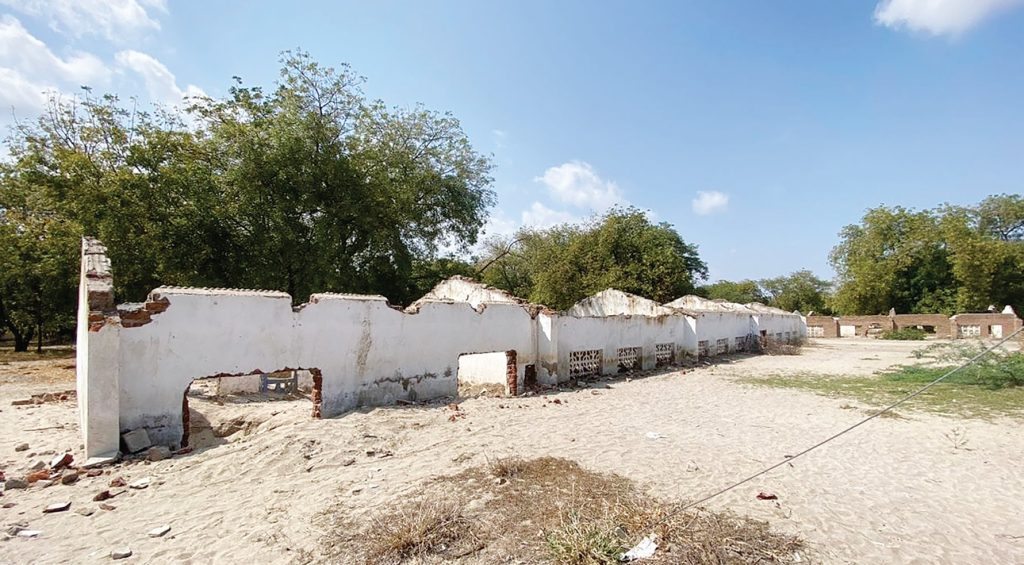
Residents say they initially agreed to sell portions of their land to government for the relocation programme after authorities assured them they would be paid. However, the promised compensation has not materialised.
Following the cyclone, government launched a flood management and relocation programme through Dodma aimed at protecting lives and property. Land was acquired from local communities to establish new settlements for displaced households.
John Zowa, chairperson of a committee representing 215 affected villagers from Mailosi, Zimtambira, Chikhulu, Mwadzalumo and Moto villages, said landowners agreed to the arrangement after authorities promised compensation.
“In 2023, Makhanga was hit by the worst floods ever. Livestock, property and lives were lost,” Zowa said. “The government approached Traditional Authority Mlolo, who asked her subjects to consider selling land so flood victims could be resettled. The villagers agreed and the land was measured for compensation.”
However, Zowa said the situation later changed when local leaders reportedly told villagers the land would instead be given to flood victims for free because it was government land.
“As the chairperson, I wrote to the Catholic Commission for Justice and Peace (CCJP), which engaged local authorities and officials from the District Council to measure the land for compensation,” he said. “But a year passed without any response.”
He said follow-ups with the District Commissioner yielded no results, prompting the community to hire lawyer Victor Mandiwe of Kapoto and Company. The lawyer later wrote to the Attorney General demanding compensation for the villagers.
Village Head Zimtambira said the land has since been developed and now hosts houses, schools and a market for the resettled families from Makhanga.
He said the development has left the original landowners without farmland, forcing many to cross the Ruo River into neighbouring Mozambique in search of land for cultivation.
According to Zimtambira, farmers are paying about K4 000 per person for transport and renting farmland at about K70 000 per acre in Mozambique.
“We gave our only farming land to flood victims because we trusted the government would pay us,” he said. “But we now have no documentation or proof of any agreement. Our leaders assured us the government would buy the land, and that is what we relied on.”
Human Rights Consultative Committee executive director Maxwell Mkwezalamba described the situation as unfortunate, saying failure to compensate the villagers undermines their right to economic activity.
“This is not only unfair, but it also tramples on people’s livelihoods,” Mkwezalamba said. “After surrendering their land, they have likely been unable to farm for years and may have been pushed deeper into poverty due to Dodma’s inaction.”
Mkwezalamba said government should urgently review the situation in resettlement areas to ensure the welfare of affected communities and honour commitments made during the disaster response.
Human Rights Defenders Coalition chairperson Michael Kaiyatsa also raised concerns about fairness and accountability in the handling of the matter.
He said while relocating flood victims was an important humanitarian intervention, promises of compensation to host communities created a legitimate expectation that must be fulfilled.
“The fact that three years later the 215 affected individuals have not been paid, while similar arrangements in Chikwawa District were honoured, raises concerns about unequal treatment,” Kaiyatsa said.
Kaiyatsa urged authorities to clarify the status of the compensation process and provide a clear timeline for payments. He also called for stronger oversight and transparency in disaster-related land acquisitions.
“Malawians demonstrated solidarity during a national crisis. The State must now demonstrate accountability,” he said.
In an email response, Dodma spokesperson Chipiliro Khamula said the department is aware of the issue and has referred the matter to the Office of the Attorney General for guidance.
Ministry of Justice and Constitutional Affairs spokesperson Frank Namangale confirmed receiving the demand letter from the Nsanje communities.
He said lawyers from the Attorney General’s Chambers are expected to travel to Nsanje to verify the land before advising Dodma on the way forward.
As the 215 villagers under GVHs Osiyana and Mgonera await a resolution, the situation highlights broader concerns about transparency, documentation and accountability in land transactions linked to disaster response programmes.