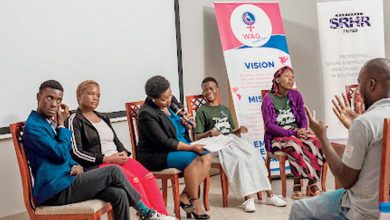
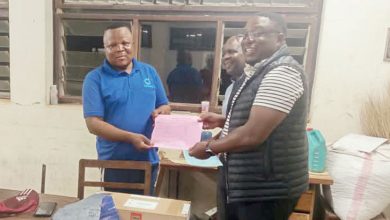
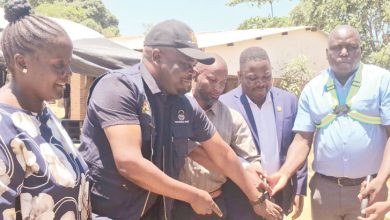
Political parties under the Centre for Multiparty Democracy (CMD) have started post-election reflection sessions with regulation of campaign handouts dominating discussions in the aftermath of the September 16 General Elections.
The aim of the ‘Political Parties Healing sessions’, is to allow parties to interrogate their conduct during the electoral cycle, identify weaknesses and generate proposals to inform future electoral reforms.
CMD executive director Boniface Chibwana said the initiative is meant to complement observer reports by reflecting on the experiences and perspectives of political parties themselves.

He said CMD wants party views to shape the next phase of electoral reforms, arguing that sustainable changes must be informed by issues political actors encounter on the ground.
“We are just coming out of an election and wanted political parties to do introspection, what went on well, what they would have done better and what resources and reforms are needed moving forward,” Chibwana said.
The issue of campaign handouts repeatedly surfaced during the discussions, particularly allegations that powerful parties continued to distribute inducements without consequence.
“The main question is, moving forward, what do we do? What can the Office of the Registrar of Political Parties do so that we deal with these complaints that keep coming up?” Chibwana reflected, adding that enforcement of existing regulations remains weak.
MCP deputy regional chairperson for the Centre Joe Ching’ani described the handout debate as contentious and unresolved, calling for clearer action by the Registrar of Political Parties.
“Up to now, the regulatory institution has not addressed some of the concerns political parties have been raising,” he said, adding that continuous dialogue is necessary to determine whether handouts should be regulated or prohibited.
However, Ching’ani said challenges remained, citing gaps in civic education and the growing influence of largely unregulated social media on voter perceptions.
Freedom Party Central Region youth director Pilirani Mwanyasa said the sessions created space for smaller parties, youths, women and persons with disabilities to articulate barriers they face during elections.
She cited gender-based violence, media bias towards larger parties, limited resources and negative perceptions of young and female candidates as persistent obstacles.
“People look at your age, your gender or your resources and conclude you cannot lead, even when you know you are capable,” Mwanyasa said, drawing from her experience as a young council candidate.
Speaking yesterday in Mzuzu, CMD programme officer Dalitso Magelegele bemoaned unequal access to resources, saying it tilts the playing field in favour of well-funded candidates.
He said weak enforcement of existing laws allowed hand-outs to persist across parties and among independent candidates, influencing voter choices away from issue-based campaigns.
Said Magelegele: “Handouts have a huge impact on the electoral process. Those with resources gain an upper hand, which defeats the purpose of a level playing field. The use of handouts meant some voters made decisions based on material inducements rather than policies.”
However, he expressed confidence in the Office of the Registrar of Political Parties, saying the situation could improve ahead of the 2030 elections through stronger enforcement and sustained civic education.
MCP North-South deputy regional chairperson Goodwin Mvula described the meeting as timely, saying voter turnout remained a major concern.
The meeting reviewed the entire electoral cycle, from the 2020 fresh presidential elections through to 2025 polls, assessing what worked well, identified challenges and proposed reforms.
Malawi Electoral Commission spokesperson Sangwani Mwafulirwa said the commission will have engagements with stakeholders in due course to review the 2025 General Elections.
CMD is a membership-based platform of parliamentary political parties and currently has nine members; namely, Alliance for Democracy, Democratic Progressive Party, Freedom Party, MCP, National Democratic Party, People’s Transformation Party, People’s Party, United Democratic Front and UTM Party.