The World Bank says Malawi’s economy remains weighed down by structural bottlenecks that continue to suppress growth, investment and household welfare despite progress made on long-overdue economic reforms.
In its recent overview of the economy, the bank projects the economy to expand from an estimated 1.9 percent in 2025 to 2.7 percent by 2027, a pace it says remains below population growth and unlikely to deliver meaningful improvements in living standards for most Malawians.

The bank says reforms initiated since October 2025, including efforts to restore spending discipline, increase revenues, reprofile domestic debt, and strengthen policy frameworks, mark an important shift after years of widening fiscal and external imbalances.
Reads the analysis in part: “Progress is being made, but high recurrent expenditures, heavy borrowing, and a weak investment climate remain largely unresolved.
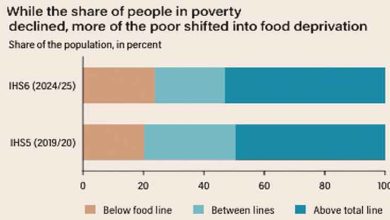
“Nearly half the population cannot afford a basic consumption basket, and poverty is projected to remain at 76.6 percent in 2026. Though inflation is trending downward, the damage to purchasing power and public confidence is significant.”
According to the bank, inflation remains among the region’s highest, averaging 28.4 percent in 2025, driven by high food prices and money creation linked to pre-election deficits, persistent inflation is eroding household welfare.
Malawi Government is implementing the National Economic Recovery Plan (Nerp) to restore macroeconomic stability and drive private-sector-led growth. The five-year strategy tackles fiscal and debt challenges while targeting single-digit inflation and a 6.5 percent GDP growth rate by 2030.
The plan is intertwined with Malawi 2063, the country’s long-term development strategy which seeks to transform the economy into a lower middle-income one by 2030 and “an inclusively wealthy, self-reliant, industrialised upper-middle-income nation by 2063”.
Malawi Confederation of Chambers of Commerce and Industry chief executive officer Daisy Kambalame told delegates that economic recovery would depend on addressing long-standing bottlenecks affecting production, exports and business growth.
Minister of Finance, Economic Planning and Decentralisation Joseph Mwanamvekha had also conceded that Nerp success hinges on tackling underlying structural challenges, including chronic foreign exchange shortages, lack of fiscal discipline and unlocking new sources of long-term investment finance.
“The challenges we are confronting are deep, structural and accumulated over many years and exacerbated in the past five years,” he said.