There are moments in a nation’s life when remembrance is not a ceremonial act, but a democratic obligation. Malawi finds itself in such a moment.
As we prepare to convene the inaugural Chakufwa Tom Chihana Memorial Public Lecture on April 12 in Mzuzu, we are not merely organising an event, we are reclaiming memory. We are asserting that the foundations of our democracy were neither inevitable nor freely given.
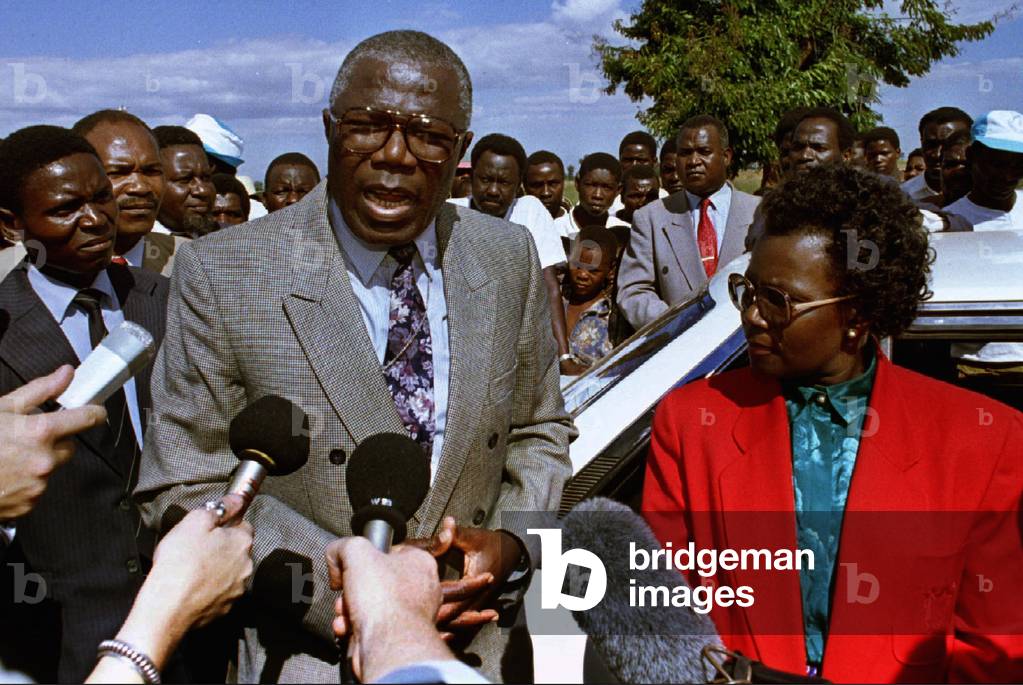
They were fought for at a great personal cost by men and women who dared to imagine a freer Malawi.
Among those figures stands Chakufwa Chihana, a man whose courage altered the trajectory of our nation.
To understand why remembrance matters, one must revisit the Malawi that Chihana confronted.
Under the one-party rule of founding president Hastings Kamuzu Banda and Malawi Congress Party (MCP), dissent was not simply discouraged; it was criminalised. Fear was not incidental; it was institutionalised. Citizens lived within a tightly controlled political environment where questioning authority came at the risk of detention, exile, or worse.
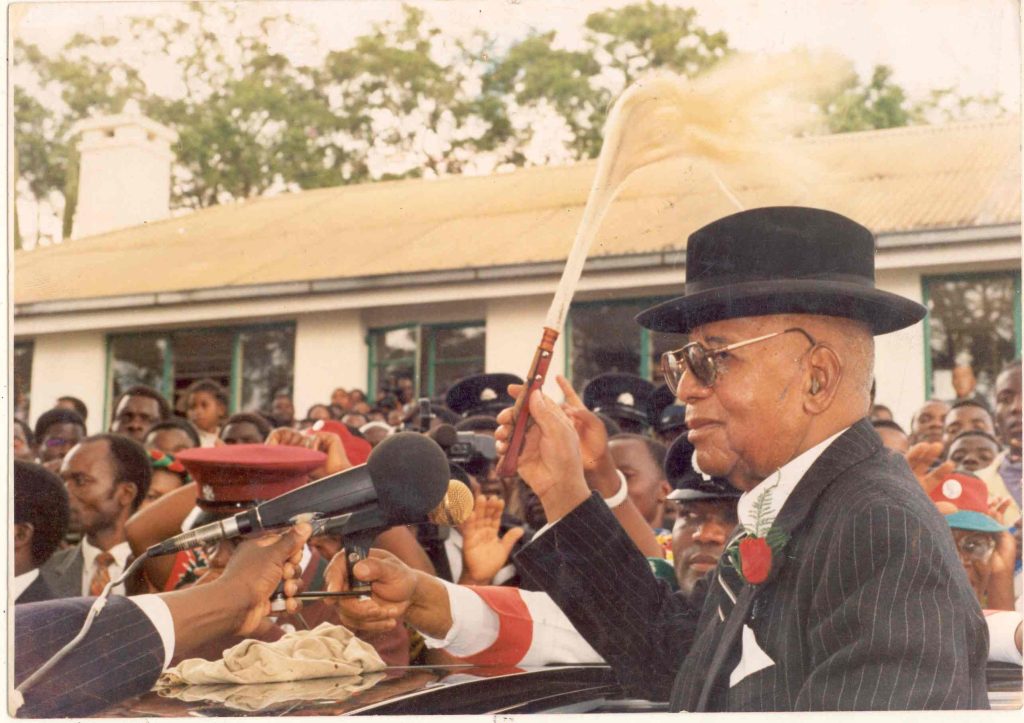
It was into this climate that Chihana returned from exile in 1992 and spoke the unthinkable: Malawians deserved a choice.
His bold call for a national referendum on multiparty democracy was not just politically unimaginable, but also suicidal. Yet he made it anyway.
His arrest and subsequent detention did not silence him. Instead, they ignited a wave of domestic resistance and international solidarity.
In many respects, the imprisonment of the trade unionist who sacrificed his blood to become the fuel for the lamp of democracy became a rallying point, exposing the fragility of authoritarian control and strengthening the resolve of a people ready for change.
The chain of events that followed, the historic national referendum of June 21 1993 and the fall of Banda’s tyranny in the 1994 General Elections, did not occur in isolation.
They were the culmination of sustained pressure, sacrifice and leadership.
Chihana’s role in this process was decisive, even though the Alliance for Democracy founding leader came third in the first post-referendum election won by United Democratic Front’s Bakili Muluzi, who succeeded Kamuzu.
It is for this reason that Chihana is widely regarded as the father of Malawian democracy.
His later service as Second Vice President under Bakili Muluzi reflected the complex transition from resistance to governance, a transition that remains instructive today.
Democracy is not only about dismantling authoritarian systems, but also about building institutions, nurturing accountability and sustaining citizen participation.
More than three decades after that democratic breakthrough, Malawi stands at another crossroads. The architecture of democracy is intact, but its substance is under strain.
We see signs of shrinking civic space, rising political intolerance, persistent corruption, and declining public trust in institutions. Perhaps most concerning is the growing disengagement among young people, many of whom did not witness the struggle that secured the freedoms they now inherit.
This is precisely why remembrance must be intentional.
The Chakufwa Chihana Memorial Public Lecture, to be held on Sunday in Mzuzu under the theme “Legacy of Courage: Anchoring Malawi’s Democratic Future on the Foundations of the Struggle,” is conceived as both an act of remembrance and an instrument of civic education.
It is a deliberate effort to bridge generational divides in democratic consciousness.
We cannot assume that democratic values transmit themselves. They must be taught, debated and internalised. They must be anchored in real stories of sacrifice and conviction. Without this, democracy risks becoming abstract; detached from the lived realities that gave it meaning.
By institutionalising this lecture, Youth and Society seeks to create a national platform for reflection and dialogue. It is a space where history meets the present, where ideas are interrogated, and where leadership is challenged to rise to higher standards. It brings together government, civil society, academia, the media, and, crucially, young people; those who will ultimately determine the future of this republic.
But beyond the symbolism lies a deeper imperative. A nation that forgets its heroes risks forgetting the principles they stood for. And when principles fade, institutions weaken. What begins as historical amnesia can evolve into democratic erosion.
Remembering Chihana, therefore, is not about nostalgia. It is about accountability to the past, the present and the future.
It is about asking difficult questions: Are we honouring the freedoms that pro-democracy activists fought for? Are we strengthening or weakening the institutions that sustain those freedoms? Are we cultivating leaders who embody courage, integrity, and a commitment to public service?
These are the questions that the memorial lecture seeks to provoke.
As we gather in Mzuzu on Sunday, we do so with a clear understanding: Democracy is not a finished project, but a continuous process that demands vigilance, participation and renewal.
Chihana’s life reminds us that change begins with conviction; the willingness to speak when silence is safer, to act when inaction is easier, and to lead when the cost is high.
That is the legacy the nation must remember. And more importantly, it is the legacy we must live.
*The author is the executive director of Youth and Society, which has organised the public lecture.