Africa Institute of Corporate Citizenship has expressed satisfaction with the Resilient and Sustainable Livelihood Transformation (Result) project which has helped farmers to boost their production in rice value chain.
The project seeks to implement interventions towards developing effective and just food systems and sustainable livelihoods through strengthening the rice multi-stakeholder partnerships with specific focus on women and youths.
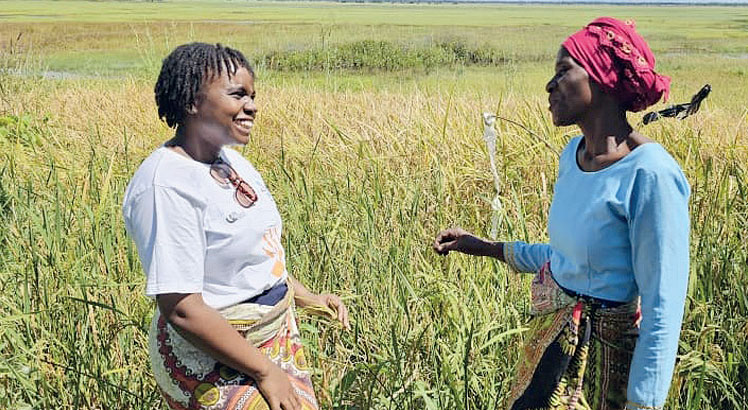
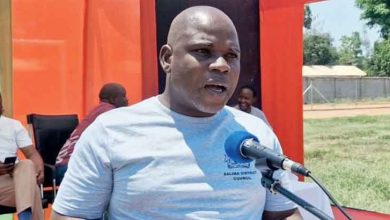
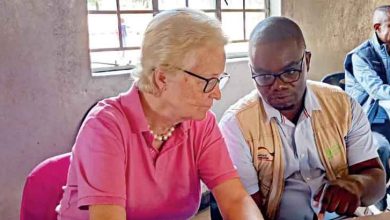
Speaking on Friday in Salima District during a field visit to Senga Bay and Nkongomwa rice groups, the organisation’s project officer Joana Khoriyo said with funding from We Effect, the Rice Value Chain project helps farmers to thrive and graduate out of poverty.
She said: “We ensure that women, men and youths have access to water and land tenure rights in their respective schemes and practice in rice value chain.
“We are impressed with the progress on this project as farmers are able to produce more rice because they use System of Rice Intensification [SRI].”
Khoriyo said most farmers used to grow multiple rice seedlings at one planting station, but with the project, they have embraced new technologies which have boosted production.
She noted that one big challenge that farmers are facing is climate change as they experience prolonged dry spells.
A farmer Agnes Amini from Mikute II Village in Traditional Authority Maganga in Salima said she started growing rice under the project in 2024.
“This year I cultivated two acres and I expect to harvest between 15 and 20 bags because we experienced some strange diseases which reduced yields,” he said.
Tembwe Extension Planning Area officer Nayala Mkanya noted that there is progress as many smallholder farmers have joined the SRI system.
“SRI is good, but this year disease affected rice which will have a negative impact on reduction of production.” she said.
With funding from We Effect, the organisation is implementing the Rice Value Chain project in the district.