At first glance, it is the better side of Malawi’s overcrowded prisons—a tale of two worlds confined behind bars.
But walk into the spacious female section of Blantyre Prison and the surroundings challenge the grim image associated with life in detention.
With 26 women awaiting trial in the 32-bed blocks, the section appears calm and orderly. Neatly washed clothes hang on a line, the kitchen is spotless and beds carefully arranged like a dormitory at a strict boarding school.
Although the inmates’ freedoms have been taken away, there is an unmistakable sense of order and dignity that the crowd in the men’s section can only covet.
When the gates to the male section fly open, the contrast is striking. Congested cells leave little room to sleep as inmates compete for every inch of floor space. Poor ventilation is the order of life.
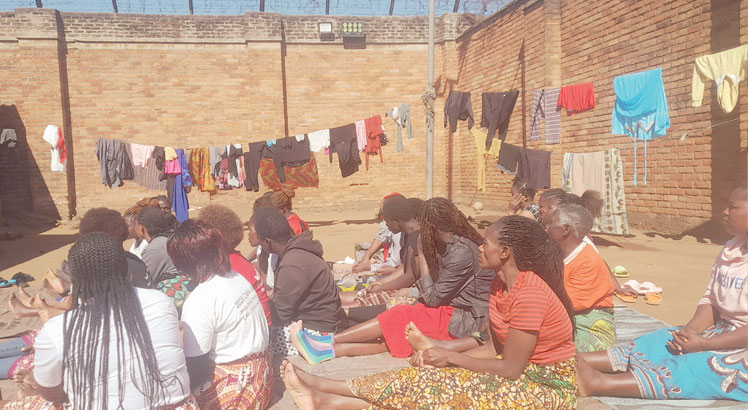
Chichiri Prison is a tale of two worlds and it is difficult to reconcile the difference.
“The female section demonstrates that humane conditions are achievable where inmates’ population is manageable,” says Centre for Human Rights Education, Advice and Assistance (Chreaa) executive director Victor Chagunyuka Mhango.
He reckons the gender disparity does not demonstrate that more men commit crimes, but could be a sign of an underfunded prison system struggling to play a balancing act under the weight of overcrowding.
The human rights defender blames overcrowding on a correctional system crippled by prolonged remand detention, delayed investigations, extended court proceedings, limited use of bail and non-custodial sentences and low investment in prison expansion.
He states: “Overcrowding not only deprives inmates of adequate sleeping space, sanitation, ventilation and healthcare, but raises serious constitutional and human rights concerns.
“Imprisonment is the punishment imposed by the court. Prisoners should not be subjected to degrading or inhumane living conditions beyond that sentence.”
Last year, Parliament amended the Malawi Prison Act of 1959 to align correctional facilities with human rights, dignity and well-being.
The reforms include the establishment of a Parole Board, compassionate release provisions, improved protection of prisoners’ health rights and measures to cut detention and remand periods.
However, the rollout of some reforms awaits regulations to guide the implementation of the new law.
Malawi Human Rights Commission director of civil and political rights Peter Chisi says authorities should urgently finalise the rules as the modernised law requires clear guidelines.
“These regulations have been drafted. All I can say is that we are waiting for the regulations to be in place because they will clarify a lot of things,” he says.
The new prison law took effect on August 18 2025, but it cannot fully work without the supporting regulations.
Among others, the regulations will clarify the dos and don’ts when it comes to the Parole Board’s operations and compassionate release.
“Clear guidelines are important to ensure that even decisions on early release and decongestion of prisons are based on a transparent and predictable process,” says Chisi. “When they come into effect, the regulations will even help address some concerns raised on presidential pardons, touching on transparency issues.”
Legal Affairs Committee of Parliament chairperson Gilbert Khonyongwa says the lawmakers will engage relevant stakeholders to support prison reforms.
The lawyer says the parole board is a significant watchdog in national efforts to address prison congestion.
“The parliamentary committee will liaise with the Parliament Secretariat to follow up on the matter, establish the current status of the process and determine how we can effectively support and facilitate the implementation of this important initiative,” he states.
Malawi’s prisons were designed to hold 7 000 inmates, but are now teaming with over 17 000 inmates.
In May, Prison Service commissioner general Wandika Phiri told her colleagues from the 16-nation Southern African Development Community (Sadc) that correctional facilities cannot achieve rehabilitation through confinement alone, but also through comprehensive interventions, including restorative justice initiatives.
“Across Sadc, correctional services are increasingly expected not only to ensure the safe and secure custody of offenders, but also to facilitate the meaningful rehabilitation and successful reintegration into society of those people incarcerated in their facilities.
“This calls upon us all to continuously rethink our correctional approaches, strengthen partnerships, and embrace innovative strategies that reduce recidivism and contribute to public safety and national development.”