Malawi Government says it has secured 11.7 million mosquito nets for distribution nationwide during the 2024 Insecticide-Treated Nets (ITN) mass distribution campaign aimed at fighting malaria.
Deputy Minister of Health Halima Daud made the announcement yesterday in Balaka during the launch of the campaign held alongside the Southern African Development Community (Sadc) Malaria Week under the theme ‘ITNs universal coverage for a malaria-free Malawi’.
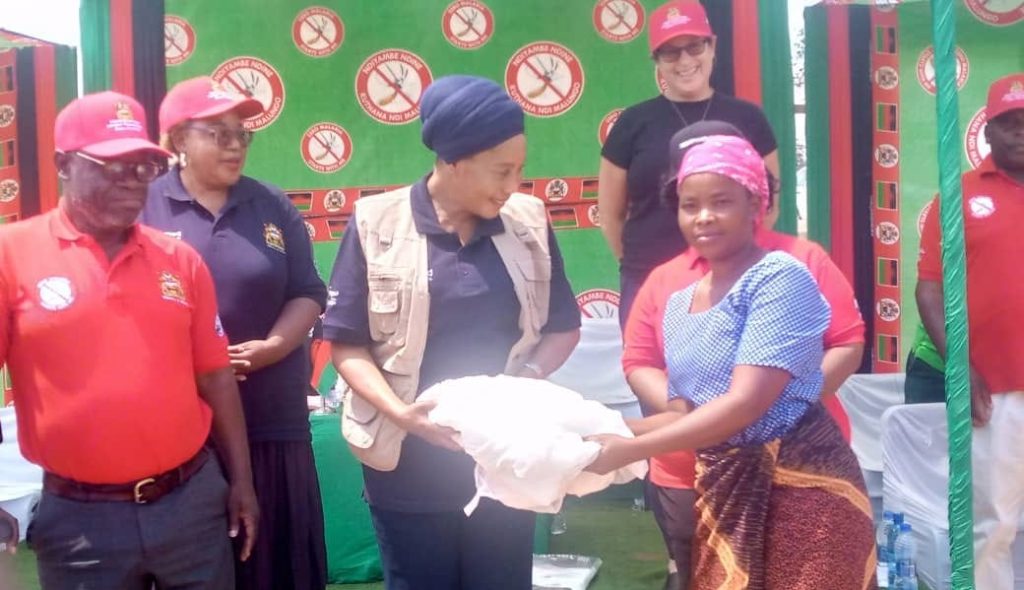
She said the mosquito nets were bought with support from The Global Fund and will benefit at least 19 million people nationwide.
Said Daud: “Malaria remains a persistent public health threat in Malawi affecting the entire population. It is, therefore, critical that beneficiaries use the mosquito bed nets correctly to combat malaria.”
She warned against abuse of mosquito nets, saying that individuals who will sell or use the ITNs for agricultural purposes put themselves at greater risk of malaria which in turn affects productivity and national development.
In her remarks, the United States of America (USA) President’s Malaria Initiative (PMI) team leader for Malawi Jannel Rough reaffirmed her government’s commitment to supporting Malawi in its fight against malaria.
She said: “Over the past two decades, the United States has been a steadfast partner in Malawi’s fight against malaria, providing nearly $400 million for prevention and control efforts through PMI and the National Malaria Control Programme.”
According to the Ministry of Health, in 2023 Malawi recorded about 6.4 million malaria cases, resulting in 1 670 deaths.
Malaria also accounted for 25 percent of all outpatient visits, 10 percent of hospital admissions and 12 percent of deaths from various causes, adding significant strain on healthcare facilities, staff, and resources.
Globally, over 250 million people suffer from malaria each year, according to the World Health Organisation.
This year’s Sadc Malaria Week is being commemorated from November 4 to 10.
Sadc member States set aside the week to raise awareness, encourage communities to take action, and advocate for support to end malaria in the region. The week also provides an opportunity to encourage Sadc leaders to take action to eliminate malaria by 2030.