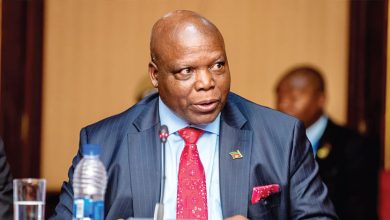
Government says it is expanding piped water to rural areas in a policy shift to get rid of boreholes that have become cumbersome to maintain.
Secretary for Water and Sanitation Elias Chimulambe said they have pumped in K4.6 billion for the construction of multi-purpose dams and solar power pumps in every constituency for people to access potable water.
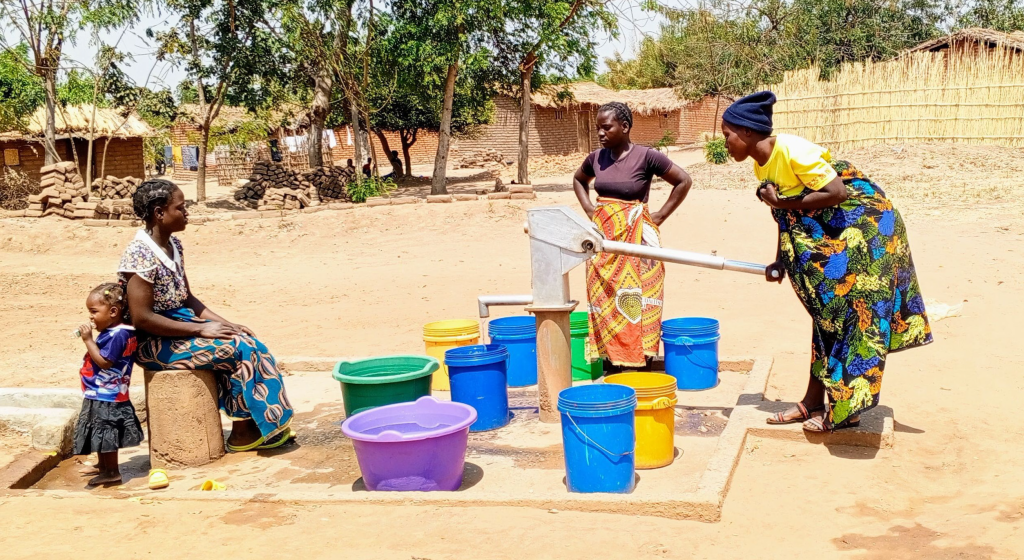
maintenance costs for poor people. I NATION
The initiative is part of a Groundwater Extraction for Rural Piped Water Supply project to construct 193 solar-powered small piped water supply schemes in each constituency.
Chimulambe added that the projection is to provide all constituencies with solar-powered small piped water supply schemes by 2028.
He said: “Malawi Government alone has already bankrolled K4.6 billion from the planned K60 billion for this initiative.
“This investment is not including the cooperating partners such as Unicef, World Vision, Innovation Africa, Self Help Africa, Water Missions, WHH and the various water boards.”
Traditionally, Chimulambe said many people have been using boreholes, mostly located away from households.
“People, especially women, had no opportunity for income generating activities as they concentrated on fetching water. Almost all the districts are already benefiting from this water supply provision, “he added.
Meanwhile, Water Aid country director Peter Phiri said access to safe water, decent sanitation and improved hygiene contributes to the reduction of disease burdens and overall health outcomes.
As such, he said investments in water, sanitation and hygiene (Wash) have far reaching benefits for the population and also build resilience to climate induced hazards.
Phiri said: “Recent estimates suggest we need to invest not less than $200 million annually if we are to meet Sustainable Development Goal 6 by 2030.
“Beyond financing, we also need to address gaps in service provision by ensuring investment is data driven. This will enhance equitable distribution of investments and by providing an enabling environment [proper regulation, governance structures] for improved service provision.”
Malawi Implementation Plan (MIP 1) of Malawi 2063 aims to reach 100 percent coverage in providing safe water by 2030 from 88.3 percent in 2020.
Based on the MIP-1, there are disparities in accessing clean water between urban and rural areas.