Tenacity is a vital skill for business success, powering women to defy the banks that restrict their access to banking, capital and assets.
Faced with economic obstacles, women are not raising their hands in surrender, but pushing harder to beat the barriers—and banks in Malawi are paying for ignoring their unique needs.
Just two years ago, the count of Malawians with bank accounts dropped by 10 percent, a trend the associations of bankers and economists in Malawi blamed on the rise of unregulated village savings and loans groups, popularised by women.
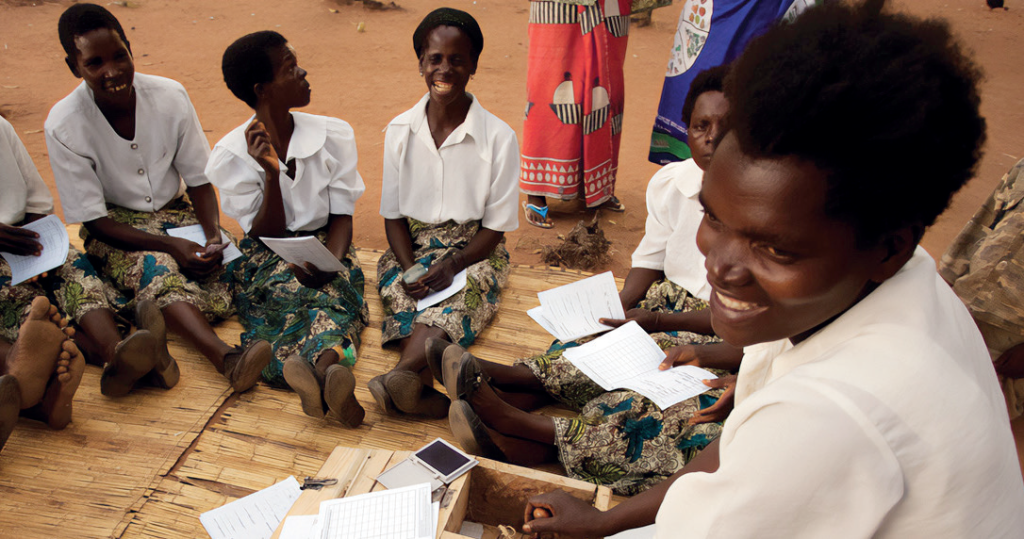
The so-called village banks have become a crucial asset for women in business, where navigating challenges, access to capital and achieving success often requires unwavering perseverance.
The enterprising women are reshaping the country’s economic landscape, determined to overcome poverty.
They are pooling their savings to give each other soft loans, easing access to flexible finances, transforming their livelihoods, acquiring assets, building economic resilience and investing in their futures.
In Naperi Township, Blantyre City, members of Tikondane Village Bank gather in the shade of a mango tree to share business tips and loans while saving together. They obtain the loans at half the interest rates offered by formal lenders, including commercial banks.
To borrow, Alice Thom and her group do not sign a bunch of forms or declare any collateral as required by banks.
With limited capital and literacy, these women have taken matters into their own hands, working together to build a more secure financial future for themselves and their households.
Thom, 35, has been a dedicated member for five years.
“My business and family have improved dramatically since I joined the group,” she says. “When I last visited a banking hall to borrow money for boosting my business, I went home empty-handed because I didn’t have collateral.”
Nursery school teacher Veronika Chisi, from Tikankhane Village Bank in Manje Township, holds a bank account, but only uses it to receive her monthly pay.
“We formed the group in opposition to the horrible experience with the male-dominated bank. We now lemd each other money anytime and with little interest. No one demands any form or security,” she says.
Lyness Chiudzu, a housewife in Zingwangwa Township, prefers the village bank to banks and microfinance institutions.
“I now get soft loans with ease. The village bank is quick and convenient. Apart from saving and borrowing, we meet to share business and family tips,” says the mother of five.
Community leader Anne Zingwangwa says village banks have liberated women from abusive men and bank’s rigidities.
She says: “Women are now independent and empowered. Through their savings and emerging businesses, they stand on their own and raise children without difficulties.”
“Women constitute over half of the country’s population, but many remain unbanked. If a woman is financially empowered, her children are unlikely to miss out on education, nutritious food and the proper upbringing they need to become responsible citizens.”
The National Strategy for Financial Inclusion shows access to financial services in Malawi jumped from 49 percent to 74 percent between 2014 and 2015.
The 2023 FinScope Consumer Survey shows only the proportion of Malawians with bank accounts had declined by 10 percent to 23 percent since 2014.
Economics Association of Malawi president Bertha Bangara Chikadza terms the Banki M’khonde concept a game changer that brings banking closer to women’s doorsteps.
She urges policymakers and financial sector captains to collaboratively address structural barriers and biases that marginalise women.
She states: “By providing women with access to financial services, training and markets, we can unlock their potential as entrepreneurs, employees, and income earners. This, in turn, can drive economic growth, reduce poverty and improve living standards.”
Recently, some commercial banks have introduced banking portfolios tailor-made for village savings and loan groups and their staff are increasingly but clandestinely forming and engaging with similar groups, including chipeleganyo where they share groceries or monthly cash-outs.
“When you see a vehicle packed with banking staff going to a restaurant or bar, it’s not just an outing. They could be going to a secret village bank meeting where millions change hands in loans with lower interests than they offer on the counter,” said a banker, who sought anonymity.
This illustrates the popularity of the informal banking groups silently unlocking hidden finance for women’s empowerment.
Thom calls for progressive laws and policies to boost women’s participation in the formal economy.
“This can drive productivity, reduce poverty and significantly improve living standards,” says Thom.