Many households in Malawi have a young person who is unemployed, but completed tertiary education or skills training. Every day, they apply for employment, but job interviews or offers remain a dream.
With its population growing at over 2.5 percent annually and over 400 000 young people entering the labour market each year, Malawi faces an urgent challenge to create enough jobs for its youth majority.
Despite the resilience and entrepreneurial spirit, most struggle to find stable, well-paying work—the surest way out of poverty and to achieve individual aspirations.
The jobs agenda is the primary theme of all discussions at this year’s World Bank Group and International Monetary Fund Annual Meetings—and it will continue to be because over the next decade, 1.2 billion young people in developing countries will become working age.
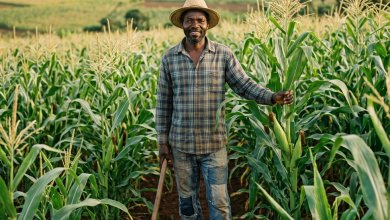
Agriculture, the backbone of Malawi’s economy, employs nearly three-quarters of the workforce. Yet, most of these jobs are informal, seasonal, of low productivity and vulnerable to climate shocks and market fluctuations.
Only about one in 10 Malawians aged over 15 has a salary-paying job.
Th e s e r v i c e s sector, including tourism, has grown in importance, but most new jobs are in low-productivity activities such as retail trading and informal services. Industrial jobs, which could drive structural t r ans f o rmat i o n , have declined due to limited investment, trade restrictions and a challenging business environment.
Job creation barriers
Several factors make job creation in Malawi a formidable challenge.
1. Malawi’s population is set to double within a generation, intensifying competition for land and resources. Smallholder agriculture cannot absorb the growing labour force and shrinking landholdings mean many rural families cannot meet their basic needs.
2. Low skills and Education: While educational attainment has improved, many young people leave school without basic numeracy and literacy skills and there is a mismatch between the qualifications of job seekers and the needs of employers. Low human capital limits sector opportunities and the labour force’s potential for high-value jobs or self-employment.
3. Malawi’s private sector is dominated by micro and small enterprises, most operating informally. Access to finance, reliable electricity and markets are major obstacles.
Corruption, regulatory uncer t a i n t y and poor infrastructure further stifle business growth and job creation.
4. Women are more likely to be employed informally, earn less and have limited access to productive resources. Youth unemployment is high, especially in urban areas and many young people are neither employed nor in education.
What can be done?
A d d r e s s i n g Mal awi ’s jobs challenge requires a multi-pronged approach:
1. Strengthen s k i l l s a n d education: Invest in quality education, especially at primary and secondar y levels, to ensure young peopl e acquire excellent f o u n d a t i o n a l skills; expand and reform vocational and technical training to align with market needs, including digital skills and entrepreneurship; and tackle gender disparities in education, supporting girls to complete school and access training.
2. Support private sector growth: Improve access to finance for micro, small, and medium enterprises, including innovative credit products and digital financial services; simplify business registration and licensing to encourage formalisation and growth; and invest in infrastructure—reliable electricity, transport, and digital connectivity—to lower costs and open new markets.
3. Support smallholders to shift to commercial farming, including access to inputs, markets and extension services.
Transform agriculture, with a focus on higher-value value chains and agro-processing to create jobs beyond the farm gate; and develop climate-resilient farming practices and social protection programmes.
4. Foster inclusive job creation: Invest in target interventions for women and the youth, including apprenticeships, mentorship and support for women entrepreneurs.Address barriers to employment in construction, mining, transport and other sectors, ensuring equal opportunities and safe working conditions.
5. Pursue macroeconomic stability to lay a foundation for sustainable growth and good governance to attract i nvestment and foster confidence. Strengthening institutions and policy frameworks to support job creation, labour rights and social protection.
Formulate deliberate policies to support MSMEs growth through business opportunities, access to internet, infrastructure and access to finance.
Malawi’s jobs challenge i s daunt ing , but not i n s u rmount abl e. Th e country’s youthful population, entrepreneurial spirit and rich natural resources offer hope for a brighter future
The author is the World Bank Country Manager in Malawi