In Nkhotakota, a group of youths is geared to make a difference through a green economy.
When you get into a tidy office beside a small warehouse stacked with neatly processed goods and golden beehives among trees, honey flows steadily. Recycled materials are put to work and livelihoods are thriving.

The scene reflects a vision of a self-sustaining green economy; a dream that some youths in Chiwaula Village in Nkhotakota hope to bring to life.
Made up of 30 members aged 15 to 25, Chiwaula Youth Club has long been a quiet force of change in the Lakeshore district. It first gained attention by turning discarded plastic bottles and thin plastics into stools, benches, waste bins, decorative signposts and flower lawns. Their creations sell for up to K120 000, providing crucial income in a district where youth unemployment is high.
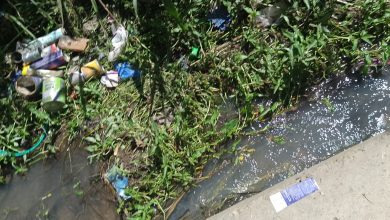
The impact has been visible across the community. Schoolyards are cleaner, roadsides clearer and children now collect plastics instead of leaving them to litter.
Building on that momentum, the youth club is now stepping into apiculture. Around 20 beehives have been installed in the village forest, marking their first venture into honey production with the first harvest expected around March 2026.
The initiative is supported by the Nkhotakota Basic Services Programme (KKBSP) with funding from Embassy of Iceland whose goal is to improve sustainable management of natural resources for social and economic development,
“We needed something reliable,” says Chisomo Nkhoma, 25, chairperson of the club, standing beside a hive hopeful that bees will soon flit busily at work.
“Plastic recycling is rewarding, but sales are unpredictable. Beekeeping offers steady income with minimal maintenance and four harvests a year could be life-changing for us and our community.”
The hives, according to Chisomo, will do more than supplement income; they will turn into unexpected guardians of the forest. Villagers will be wary of disturbing the bees, making them less likely to cut trees for firewood or other purposes.
“The bees will be doing what rules and meetings could never achieve,” Nkhoma says. “They will be teaching the village to value the forest.”
On the economic front, the group has earmarked proceeds from honey sales for social activities including paying school fees for needy students and for long-held plans to construct a permanent office and warehouse for recycled products. Currently, market access remains limited and some NGOs have frustrated the group by making grand promises that they never fulfil.
“The only thing they know is to take photos for donor reports and then disappear after securing funding. We have been used too many times, now we insist on signed pacts before anyone is allowed to join or document our efforts,” Nkhoma says firmly.
Nkhotakota District Forestry Officer George Zibophe has been among the few consistent supporters.
“We engage youth as Eco Ambassadors,” he explains. “They collect plastics from schools, markets and offices, convert them into useful products and raise awareness on forest conservation. But sustainability requires more support including training, market access and investment.”
Local residents and traders have noticed the transformation.
“At first, I thought it was just a hobby,” said Elias Banda, who runs a small grocery stall near the village’s forest edge. “The youths are showing us a new way of doing business.”
Women have especially seen subtle but important changes.
“We used to burn rubbish near our homes, but the youth showed us that waste can be turned into something useful,” says Mercy Phiri.
The mother of three adds, “Now seeing them venture into beekeeping, they are making us all change the way we think about conserving the environment while making money.”
Every day, Nkhoma and his fellow youth will now have to balance maintaining hives, crafting plastic products and mobilising the community. Tasks range from shaping bottles into stools to checking beehives, feeding and inspecting them for pests and planting flowers nearby to feed the bees.
Despite the hurdles, the group sees its work as part of a larger movement: youth-led innovation that can change livelihoods, protect the environment and build social cohesion.
“We started with plastics, now we are ready to have bees,” Nkhoma reflects. “Step by step, we are creating something that will last. This is our future and we are building it ourselves.”
With every hive buzzing, every recycled product sold and every school fee paid from their small earnings, the Chiwaula Youth Club inches closer to turning its vision into reality. Their journey is a reminder that even the humblest beginnings, in this case discarded plastic, collective ideas and a handful of beehives, can grow into a thriving engine of community change.