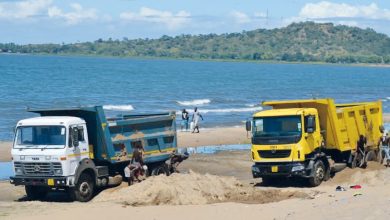
The palm-fringed Lake Malawi is often marketed as the world’s most diverse fish sanctuary and Malawi’s top tourist destination thanks to its blue waters, golden sands and beckoning calm.
However, the dazzling buzzwords obscure a stunning attraction under siege from manmade waste management crisis, especially neglected plastic pollution.
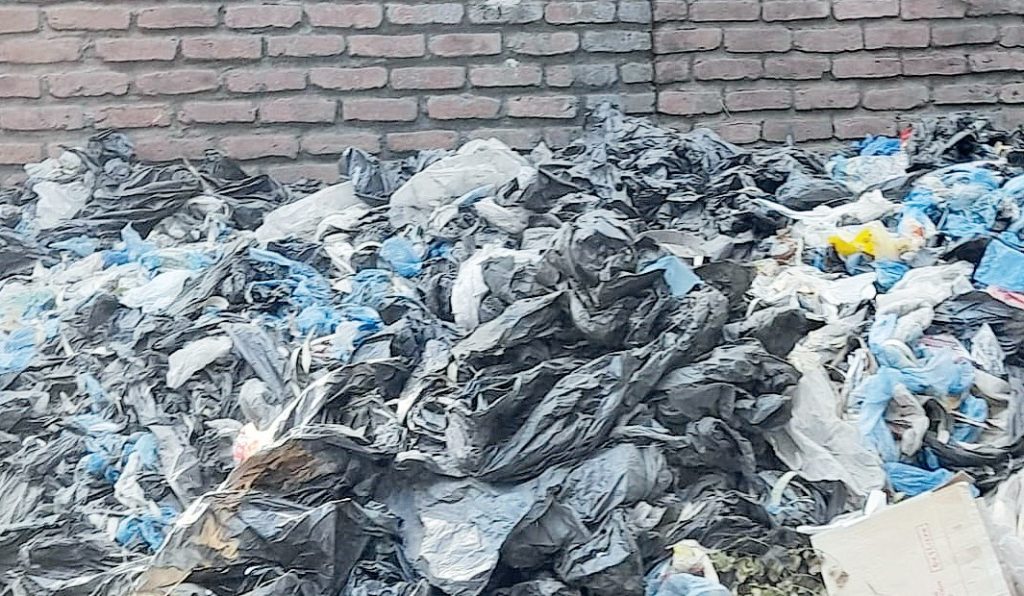
From Karonga at the northern tip to Monkey Bay in Mangochi on the southern end, the beckoning beaches are soiled by poorly handled waste.
They include empty beer bottles on the sands and in water; plastics clinging to reeds and rocks and discarded food wrappers floating near places where locals swim and fishers cast their nets.
The environmental concern poses a threat to human health and tourism.
Even tourists, the freshwater lake’s roaming ambassadors, are concerned.
Phobe Schroder, from Germany, says Scottish missionary explorer David Livingstone’s Lake of Stars no longer resembles the paradise she first visited before the Covid-19 pandemic in 2019.
“I am ashamed,” she says. “The beaches are no longer what I told the people I brought here. Each step now marks where waves have carved away another layer of sand.”
Her compatriot Emmi von Ploetz, fom Berlin, says banned single-use plastics have become Malawi’s “new national flower” as environmental protectors sleep on the job.
“It is what you see everywhere, even at the lake and beyond,” she says.
Last year, the High Court of Malawi upheld environmental protection regulations that outlaw production, distribution and sales of thin plastics, but they remain on sale nationwide.
Users indiscriminately discard the single-use plastics in open spaces, polluting crop fields, water sources and air at the expense of human life, fish, wildlife, livestock and other living things.
Between 2015 and 2018, some volunteers along Lake Malawi collected nearly 500 000 items of human-made litter from a beach stretch covering about 32 hectares. Plastic accounted for about 80 percent of the debris, they reported.
Cool Runnings Lake Resort proprietor Samantha Luddick says the waste choking Lake Malawi comes from multiple actors who dump leftovers irresponsibly.
The security chairperson of Senga Bay tourist resorts in Salima blames fishers, ferry passengers, tourists, resorts and lakeshore communities of using the lake without taking care of it.
“As a country, we do not have good systems for waste management,” Luddick says. “Even waste generated beyond the shoreline eventually finds its way into the lake.”
She attributes much of the waste crisis to local visitors, particularly weekend leisure groups who often discard leftovers without minding where they land.
“Alcohol-fuelled recreation often ends with bottles tossed into the sand or water, plastics abandoned along the shoreline and little regard for safety rules and the environment,” she says.
The Malawi Environmental Protection Authority (Mepa) did not respond to questions on the unsustainable waste handling polluting Lake Malawi.
Mepa was established by the Environmental Protection Act to promote and enforce sustainable environmental management.
However, it has been slow to halt the production and distribution of thin plastics despite claiming that the court ruling had freed its hands long tied by court orders obtained by profit-seeking manufacturers.
However, Ministry of Tourism spokesperson Joseph Nkosi says it is aware of the environmental damage caused by human activities on Lake Malawi.
He said the ministry conducts periodic inspections to ensure tourism operators and lodges are implementing approved waste disposal systems.
“In addition, operators are actively encouraged to provide sufficient waste bins with clear signage to guide visitor behaviour. This is complemented by the widespread installation of ‘no littering’ notices across many tourism premises,” he said.
During the visits, we observed several lakeshore recreation zones without visible waste bins.
Some resort owners blamed weak oversight, arguing that management of beaches under local authorities has created gaps in monitoring.
Apart from the build-up of waste in the lake and on the beaches, we also have a crisis of toilets and some people defaecate in the open or right in the water.
“Everyone uses the lake, but responsibility is unclear,” said a resort owner, who asked for anonymity.
Environmentalist Charles Mkoka warns that without systemic waste reforms, cleanup efforts along the shoreline amount to little more than cosmetic fixes.
“What people see on the lake is only a fraction of the problem, he said. “Most of the pollution is already in the water — broken down, submerged and silently damaging the lake.”
The United Nations Environment Programme estimates that an equivalent of about 2 000 garbage trucks of plastic waste enters the world’s oceans, rivers and lakes every day.
Globally, an estimated 19 to 23 million metric tonnes of plastic waste leak into water bodies annually.
Currently, Malawi does not have requisite public waste management facilities with all councils dumping waste in makeshift landfills from where it chokes waterways.
Environmental Activist Julius Ng’oma warns that plastic pollution alters habitats and natural processes, reducing ecosystems’ ability to adapt to climate change and directly affecting livelihoods, food production and social well-being.