In Malawi, tongues are still wagging about Tropical Storm Ana, which inundated the Shire River, disrupting electricity and water supply nationwide in January 2022.
The sole outlet of Lake Malawi ripped a developing dam for the country’s largest irrigation project, currently under construction, before tearing the floodgates and turbines that generate 130 megawatts for the nation.
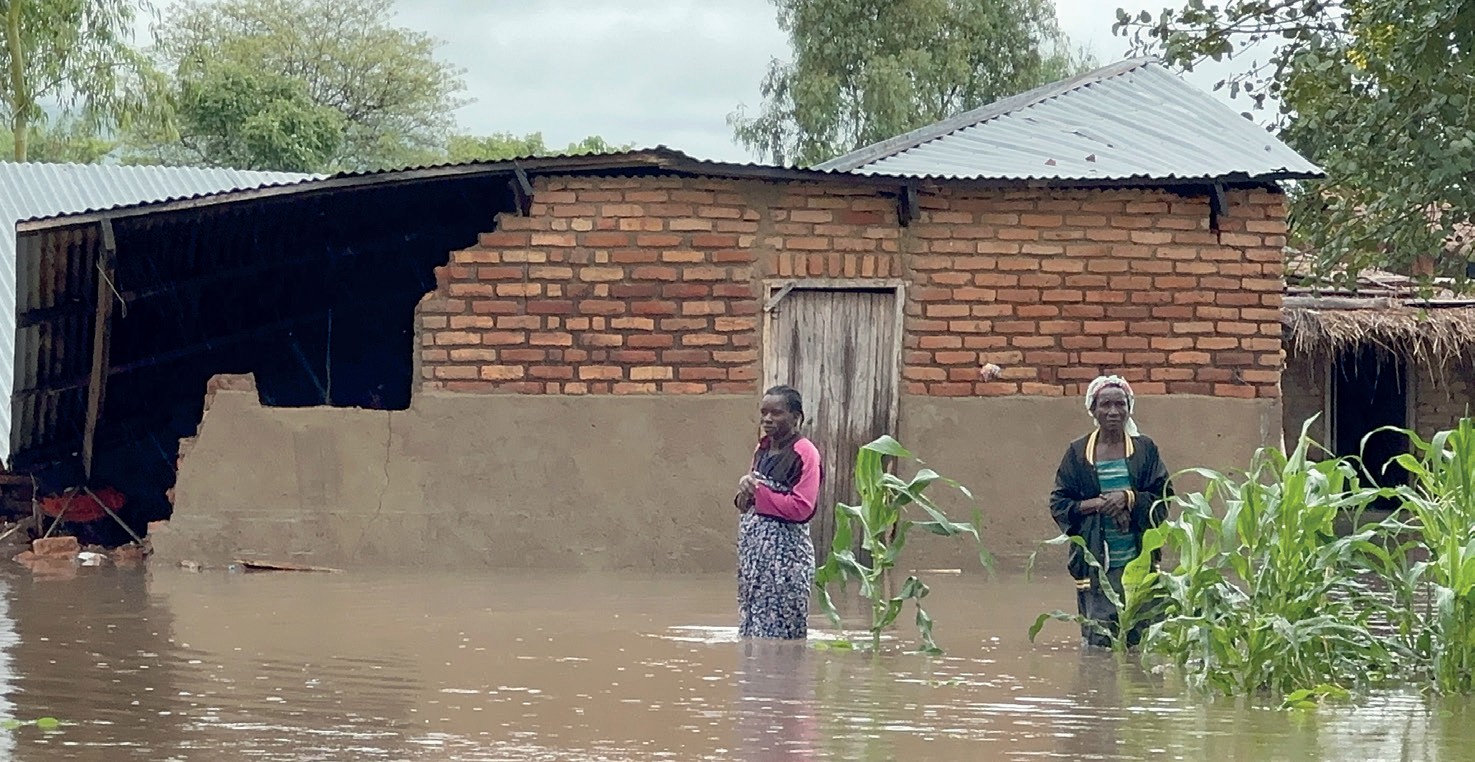
The damage at Kapichira Hydropower Station and the Shire Valley Transformation Project (SVTP) dam nearby triggered nationwide blackouts that spanned over a week at the northern tip.
City dwellers in Mzuzu, the commercial hub of the Northern Region, endured lost business, dry taps, dark nights, a costly industrial halt and healthcare disruption due to the disruption about 700 kilometres away.
“When the Great Shire swells, power supply stutters and taps cough dry,” says Mzuzu resident Joseph Munthali.
H endured dry taps for a week as the Electricity Supply Corporation of Malawi worked day and night to restore power.
The Electricity Generation Company (Egenco) toiled for 15 months to build back better at Kapichira. Power generation resumed at 5.03 pm on May 10 2024, two months after Cyclone Freddy hit the South.
“Ana and Freddy caught us unawares because we didn’t learn from the devastating Cyclone Idai in 2019. We didn’t do enough or collaborate well to protect our people, livelihoods and national assets in the Shire River Basin,” says Peter Chipeta, deputy director of water supply in the Ministry of Agriculture, Irrigation and Water Development.
The rainstorms reminded policymakers and water users of the importance of the basin along the country’s longest river.
Shared water resource
The Shire River Basin covers a third of the Southern Region, sustaining essential services in Mangochi, Ntcheu, Balaka, Neno, Mwanza, Blantyre, Thyolo, Chikwawa and Nsanje.
It produces 95 percent of electricity for the national grid and boasts the country’s largest sugar factory, several irrigation sites, wildlife reserves, wetlands and water assets.
However, massive loss of green cover worsens disasters in the highly endowed basin amid climate change.
Presently, water users, policymakers and environmentalists are concerned about vanishing forests, farming too close to riverbanks, loss of fertile soils in farmlands, silted rivers, drought-prone streams and shrinking grazing lands.
This amplifies calls for coordinated efforts to strengthen the basin’s resilience to better anticipate, absorb and tackle climate shocks.
Globally, a realisation is growing that water serves diverse purposes for different people, so they need to work together to protect the shared resource. They say valuing water goes beyond using every drop wisely.
“When using water, we should not forget that it is a shared resource,” says Chipeta. “In everything we do as a country, we have to ask ourselves: How best do we track the available water sources, from the Songwe to the Shire river basins, to meet different goals?”
The International Water Management Institute (IWMI) is working with government departments and various actors to track how different stakeholders can collaborate to utilise and safeguard water resources effectively.
According to Chipeta, the assessment will help policymakers close gaps in laws and policies under review while strengthening coordination to conserve water resources.
He states: “This is crucial as we are developing our policies and laws, including the Water Resources Act and Water Works Act, to improve how we conserve and utilise our water resources.
“We need coordination among different players: Academics, power, producers, water supplies, the agriculture sector, tourism players, forestry experts and the ordinary citizen.”
The Shire River Basin is home to Nchalo Sugar Estate and the Shire Valley Transformation Project, which is envisioned to irrigate over 42 000 hectares in Chikwawa and Nsanje.
Ground-breaking works are underway for the construction of a 358-megawatt hydropower plant at Mpatamanga Gorge in Blantyre, which will double the country’s power generation capacity, according to Egenco.
This will not only reduce energy shortages and insecurity nationwide but also power the flagship irrigation initiative taking shape.
Postponed since 1947, the SVTP aims to expand agricultural productivity, commercialisation and processing in line with the national vision to transform Malawi into a self-reliant, industrialised middle-income economy by 2030.
“We need to protect the Shire Basin and use it wisely to unleash its potential,” says Greenwell Matchaya, from IWMI in South Africa. “Protecting shared water resources is protecting the future we want.”
The think-tank promotes global water security, resilience and equality.
Matchaya says tracking the benefits of the Shire, its challenges and initiatives underway is central to long-term ambition for climate resilience in the river basin.
He states: “The Shire River Basin is essential to the development of Malawi, yet is highly prone to floods, drought and other disasters partly due to population pressure, unsustainable use of natural resources and inadequate.
“Tracking progress is important because if we do little, we are not going to reap the full benefits of the vital water resource and its potential. We need to focus on available resources, their vulnerability and how we can strengthen our laws, policies and strategies to build resilience to climate change.”
Making policies work
According to IWMI, Malawi does not lack policies to safeguard water for diverse use, but coordination and implementation remain low.
“I would say about 20 percent of water-related policies need strengthening because they do not speak to each other. Every policy need robust data, monitoring and evaluation systems to tell if they are doing the right things to achieve the desired change,” says Matchaya.
The brains behind the tracker envisage government agents, private sector, academics, non-governmental organisations and other actors working together to strengthen and harmonise water-related policies.
“We need to figure out how various water users and service providers can coordinate and help us achieve Malawi 2063, which hinges on environmental sustainability. The sectors need each other even though each works in isolation,” says National Planning Commission research director Andrew Jamali.