Malawi prides itself as the Warm Heart of Africa, but it is hardly the happiest nation on the planet getting warmer and more populated.
The United Nations ranks it the fourth least happy nation alongside war-ravaged nations.

Malawians on the move have little to smile about shattered roads and falling public infrastructure following heavy rains and frequent floods.
Take a gullied road and you will hear people complaining about hunger due to dry spells and perennial floods that wreck homes, livelihoods, roads, schools and businesses.
The frequent disasters worsened by climate variability dominated the fifth African Regional Conference on Loss and Damage held in Lilongwe last week.
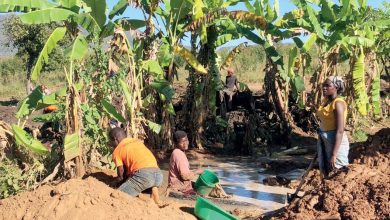
A week before, Selina Lamosi survived floods that destroyed homes, maturing crops and livestock in Chikwawa.
The woman narrowly escaped swelling Mwanza River during the flash floods that hit over 1 500 homesteads in the district.
In an interview with Malawi News Agency, she narrated: “I was crossing the river on the way from my rice field when I fled rising waters and spent a night in a tree until rescuers arrived.
“The frequent disasters leave them with no time to rise from the rubble and rebuild. When one disaster hits, the next storm is already in the skies. Such is our agony in the past 20 years.
Malawi is highly vulnerable to extreme weather events due to its location in the great African Rift Valley, rapid population growth, unsustainable urbanisation, environmental degradation and climate change.
Official data shows the country has experienced over 21 major river and flash floods within 50 years.
Experts warn that the frequency and severity of these disruptions will keep increasing with climate change, even though Malawi contributes little to greenhouse gases that fuel global warming.
Climate change wipes out billions from the landlocked economy, grappling with forex shortage, high debt burden and global supply chain disruptions.
The rising economic toll cost the country around 1.7 percent of its gross domestic product annually and could reach nine percent by 2030 and 16 percent by 2050 if left unchecked, official data shows.
The World Bank estimated Malawi’s GDP at $14 billion to $15 billion last year.
This means the climate toll could hit $1.35 billion 25 years after Lamosi survived the recent floods affected 9 600 households and claimed 13 lives, according to the Department of Disaster Management Affairs.
The government humanitarian agency ranks Chikwawa the worst hit district together with Machinga, Mangochi and Blantyre City.
Minister of Natural resources and Climate Change Patricia Wiskes asks African countries to unite in lobbying for more funds to lessen the loss and damage caused by climate change on the continent that contribute too little to global emissions that cause climate change.
She said government stands ready to work with interested partners to find sustainable solutions for prone communities.
However, the minister urges wealthy nations—the largest emitters of greenhouse gases—to increase financing for initiatives that strengthen the resilience of poor countries that bear the brunt.
Civil Society Network on Climate Change board chairperson Gift Numeri said predictable, adequate and accessible fund would help vulnerable communities better adapt and respond to climate shocks.
Charles Mwangi, from the Pan African Climate Justice Alliance, said the suffering of low-emitting populations will not wait for bureaucracy and endless global talks that have been rumbling for years.
“We cannot have commitments on paper without resources to back them,” he said, adding Africa cannot wait for years to benefit from the Loss and Damage Fund adopted at CoP22, the United Nations climate talks held in Egypt.
The loss and damage talks come in the countdown to the 31st global climate negotiations slated for November this year in Antalya, Turkey, where African countries are expected to press for greater financing, transparency and accountability to tackle the rising loss and damage funds.