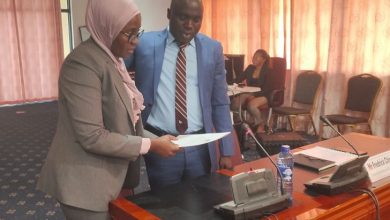
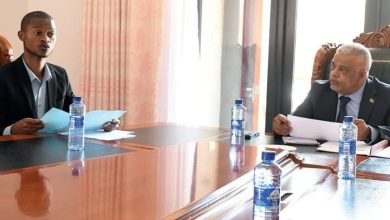
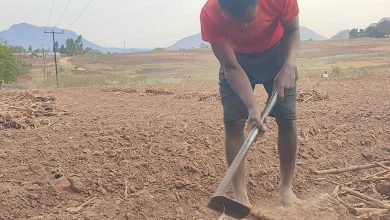
Pensioners huddled under plastic sheeting. Mothers queuing for a single pot of porridge. Children sleeping on bare mats. These are the everyday scenes in displacement camps across Malawi as families struggle to rebuild after destructive winds and flash floods washed away roads, damaged power lines and left thousands homeless.
More than 300 000 internally displaced people are now sheltering in 84 camps across several district councils and are in desperate need of assistance. For many, recovery feels out of reach not only because of the scale of the damage but because the Disaster Risk Management Trust Fund created to respond to such crises, remains empty.
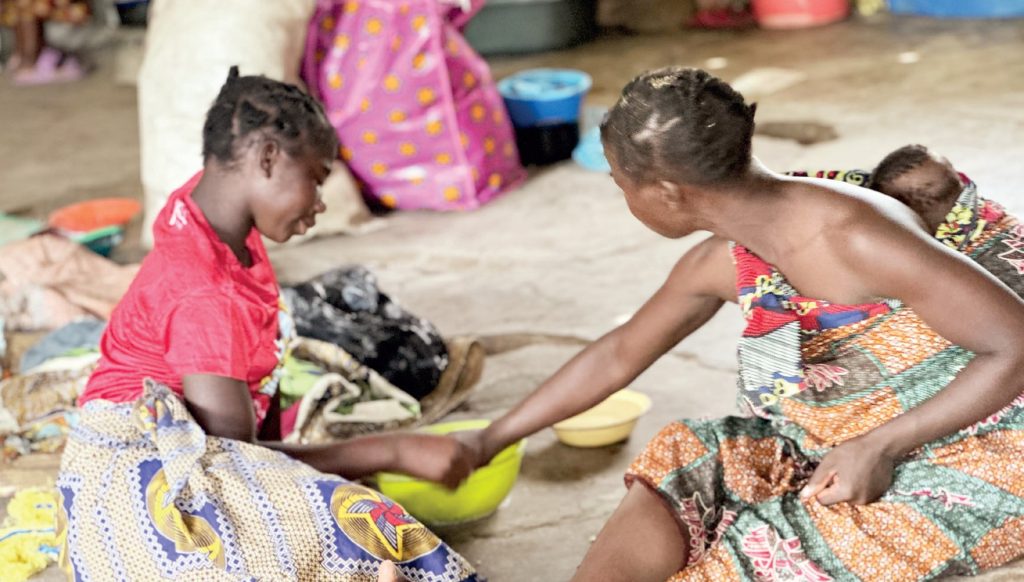
Ireen Justin of Zembani Village in Traditional Authority (T/A) Chamba, Mangochi, will never forget the night her village flooded in mid‑March. Heavy rain fell for more than two days, accompanied by fierce winds that her house could not withstand.
“There was no time to gather anything,” she recalls. With her grandmother and three children, and helped by a few strong men from the village, she waded through dark, rising waters to higher ground. Her home and almost all her possessions were swept away.
“It was the first time I saw such heavy floods. It was traumatising. We lost almost everything and now we want to rebuild,” Justin says.
Selina Julius of T/A Kanyenda in Nkhotakota — displaced by January floods and recently returned home — was forced back into a camp after the March rains. “My biggest wish is to move to higher ground,” she says.
Everet Edward from Kumikuju, T/A Ndindi in Salima, lost crops and livestock to the floods. Like many others, she is appealing for help to start again.
From the start of the rainy season to February, stormy weather, including strong winds, flash floods and lightning, affected 39 492 households (about 177 714 people), killed 46 and impacted 30 district councils.
Between 15 and March 18, heavy rains and flooding swept across 23 district councils, affecting 69 088 households (approximately 310 896 people). About 6 155 households were displaced and sheltered in 84 camps. During that period authorities recorded 34 deaths and 197 injuries.
As floodwaters recede, roads and bridges are being repaired, traders are reopening and livestock are grazing again. But for thousands whose homes were destroyed, immediate recovery remains a distant prospect.
A major obstacle to a swift recovery is the lack of financing. The Disaster Risk Management Trust Fund, established under the Disaster Risk Management Act of 2023 to promote preparedness and ensure timely response, has not been operationalised and remains without resources.
Under the Act, the Fund should be financed by parliamentary appropriations, bequests, donations and grants. Instead, the Department of Disaster Management Affairs (DoDMA) has largely relied on ad hoc donations and the government’s unforeseen vote to respond to emergencies.
Environmentalist Mathews Malata says the absence of the Fund has left the country reactive rather than prepared.
“We need to be prepared,” he said.
DoDMA commissioner Wilson Moleni told Nation on Sunday that Fund guidelines are still being finalised. He said consultations with key stakeholders and the Ministry of Justice and Constitutional Affairs are nearly complete.
Meanwhile, DoDMA faces an immediate K17 billion deficit to meet humanitarian needs, restore basic services, prevent secondary disasters and begin early recovery from the March floods. The department also faces a K71 billion shortfall in the K209 billion Lean Season Food Insecurity Response budget needed to support 4 million people facing hunger during the 2025/26 lean season.
Malawi has endured climate‑induced disasters for five consecutive years — Cyclone Idai, Cyclone Gombe, Tropical Storm Ana, Cyclone Freddy and the recent El Niño‑related shocks, placing the country among the world’s most vulnerable to climate change. DoDMA estimates cumulative losses at around K2.5 trillion, a figure that will take years to recover from.